2027 Bay Area Gas Water Heater Changes: What Homeowners Need to Know
Beginning January 1, 2027, most Bay Area residential water heater replacements must be zero-emission models such as heat pump water heaters. Here’s what homeowners need to know—and why planning ahead matters.
By Frank Cichetti · Comfort Specialist & Technical Reviewer

Beginning January 1, 2027, new regulations will require most residential water heater replacements in the Bay Area to be zero-emission models, such as heat pump water heaters. Existing gas water heaters can remain in service until they fail, but once replacement is needed, another gas water heater generally will no longer be an option.
What Is Changing?
The Bay Area Air Quality Management District (BAAQMD) has adopted regulations to reduce nitrogen oxide (NOx) emissions from residential water heaters.
- Effective January 1, 2027
- Applies to most single-family residential gas water heaters under 75,000 BTU
- Existing gas water heaters may continue operating until replacement is needed
- When a gas water heater fails after the deadline, it must generally be replaced with a compliant zero-emission model
Why Planning Ahead Matters
Replacing a gas water heater with a heat pump water heater is often more involved than a standard replacement. Depending on your home’s electrical system, additional work may be required, including:
- Electrical panel upgrades
- New 240-volt electrical circuits (depending on the model)
- Condensate drainage
- Additional installation space and ventilation requirements
These upgrades can increase installation time and cost, making emergency replacements more challenging.
Typical Installation Costs
While every home is different, homeowners should expect heat pump water heater installations to cost more than traditional gas replacements because of the additional electrical work that may be required.
Potential costs can include:
- Heat pump water heater equipment
- Installation and permits
- Electrical upgrades (if needed)
- Condensate drain installation
Planning before your current water heater fails can help avoid unexpected expenses.
Is Your Home Ready?
Before replacing your water heater, consider:
- Does your electrical panel have enough available capacity?
- Is there room for a heat pump water heater?
- Is a condensate drain available?
- Will a new electrical circuit be required?
A home evaluation can identify these items before an emergency replacement is needed.
Rebates and Incentives
Federal, state, utility, and local rebate programs may help reduce the cost of installing a qualifying heat pump water heater. Incentive programs change frequently, so it’s worth checking what is currently available before starting your project.
Benefits of Upgrading Early
Replacing your water heater before it fails offers several advantages:
- Avoid emergency replacement situations
- Take advantage of available rebates
- Schedule electrical upgrades at your convenience
- Improve energy efficiency
- Reduce future maintenance concerns
- Prepare your home for upcoming regulations
Frequently Asked Questions
Can I keep my existing gas water heater after 2027?
Yes. Existing gas water heaters can continue operating until they need replacement.
Can I install another gas water heater after January 1, 2027?
In most cases, no. New replacement water heaters will generally need to meet the zero-emission requirements.
Will I need an electrical panel upgrade?
Not always. It depends on your home’s existing electrical capacity and the type of heat pump water heater being installed.
Do heat pump water heaters save energy?
Yes. Heat pump water heaters are significantly more energy efficient than conventional electric resistance water heaters and can reduce operating costs over time.
Start Planning Now
If your current gas water heater is nearing the end of its expected life (typically 8–12 years), now is a good time to evaluate your replacement options. Planning ahead can help you avoid emergency installations, manage costs, and ensure your home is ready for the 2027 requirements.
Cabrillo Plumbing, Heating & Air can evaluate your home and walk you through heat pump water heater options for San Francisco and Peninsula properties. Learn about our water heater services or contact our team to schedule a home evaluation.
About the Author
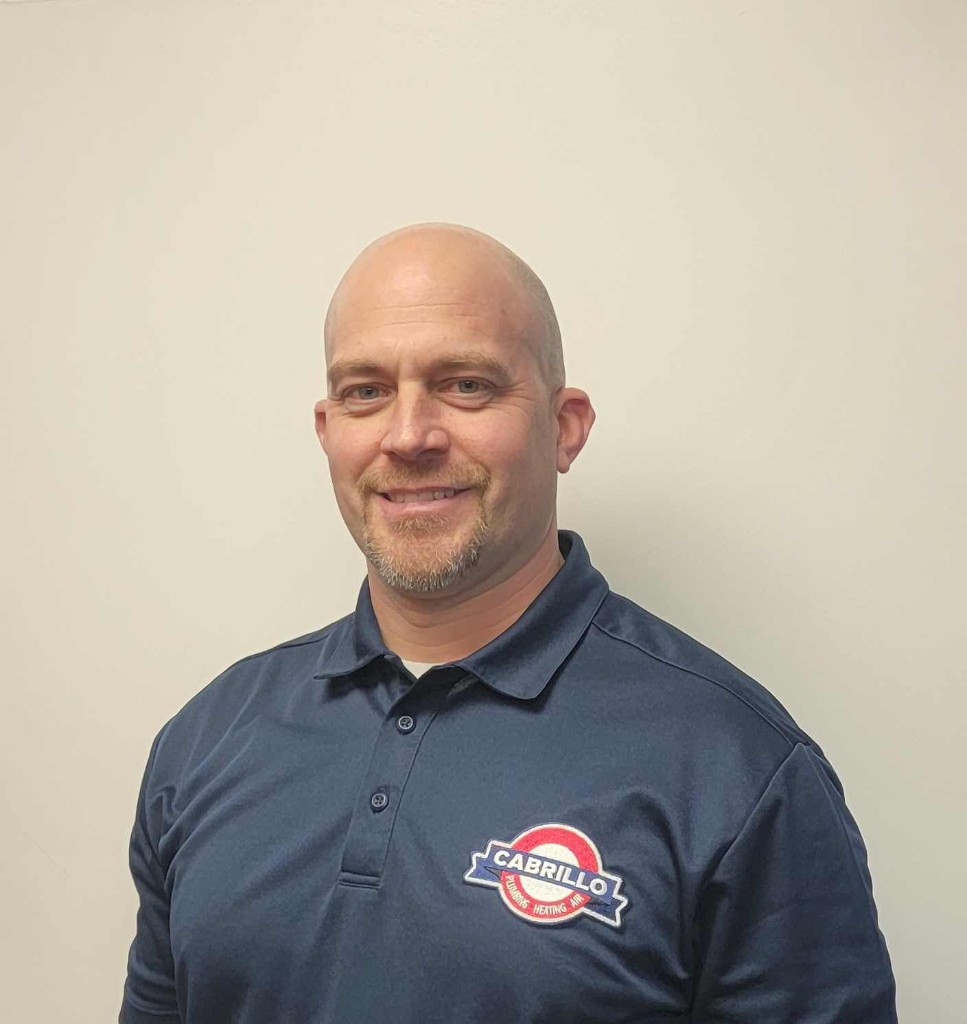
Frank Cichetti
Comfort Specialist & Technical Reviewer
Frank Cichetti is Cabrillo’s Comfort Specialist and Field Supervisor, and the technical reviewer for every plumbing, HVAC, and water-heater guide in the Learning Center.
Originally from Philadelphia, Frank earned his HVAC certification from Lincoln Technical Institute and works as a journeyman plumber and HVAC technician. He’s been on Cabrillo’s field team since 2011 — diagnosing complex whole-home comfort challenges across San Francisco and the Peninsula, and supervising the technicians who show up at your door.
Outside of work, Frank enjoys golfing, traveling, exploring great food and wine, and spending time with his family. He’s also a passionate Philadelphia Eagles fan — so be careful if you bring up football.