
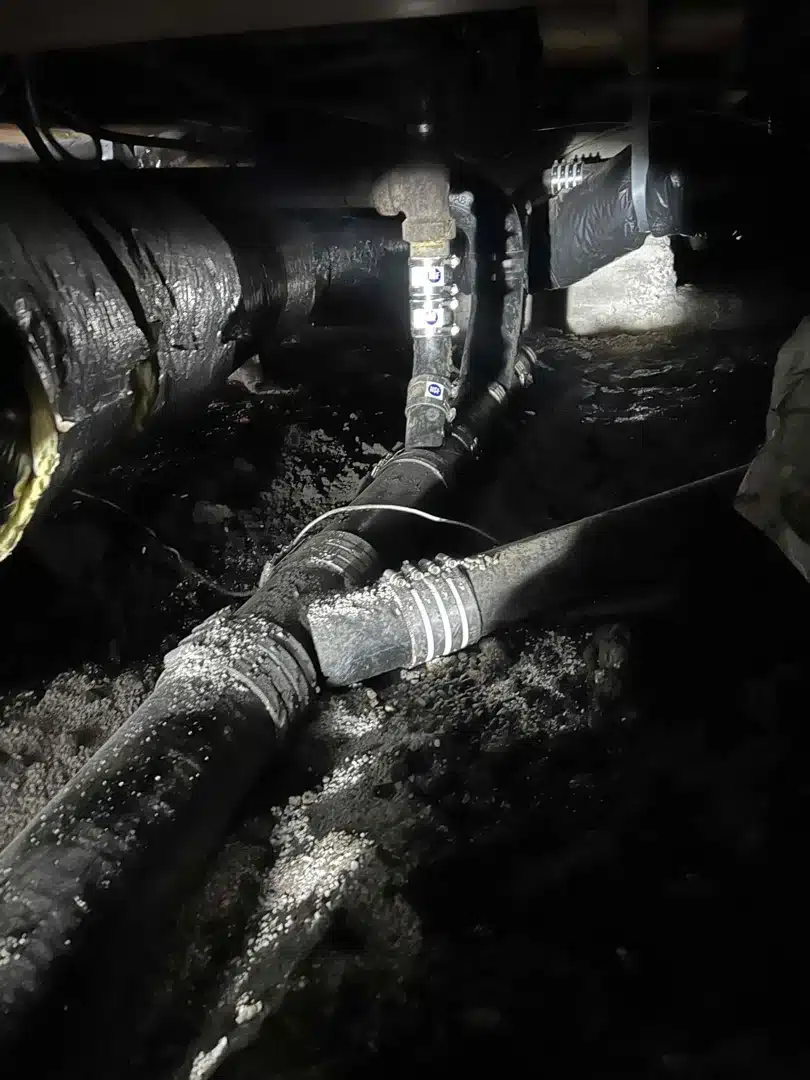
Why Repiping Benefits for Older Homes Matter More Than You Might Think
Understanding the repiping benefits for older homes can help you protect your property, your health, and your wallet — especially if you live in a Bay Area home built before the 1980s. Here’s a quick summary:
Top repiping benefits for older homes:
- Cleaner water — removes rust, sediment, and metal leaching from corroded pipes
- Stronger water pressure — clears mineral buildup that restricts flow
- Fewer leaks — eliminates aging, failure-prone pipe materials at the root
- Lower long-term costs — stops the cycle of repeated patch repairs
- Healthier plumbing — removes lead, polybutylene, and galvanized steel from your system
- Higher home value — modern plumbing is a selling point for buyers and inspectors
- Better appliance performance — consistent pressure protects water heaters, dishwashers, and more
Older homes have a lot going for them — character, craftsmanship, and history. But beneath the charm, the plumbing systems in many Bay Area homes are quietly working against you. Pipes installed decades ago were built to last a while, not forever. Galvanized steel, lead lines, and polybutylene — all common in homes built before the 1990s — corrode, scale up, and eventually fail. And when they do, the damage can spread fast. According to the EPA, household leaks can waste nearly 10,000 gallons of water every year, and a single burst pipe can cause thousands of dollars in damage to walls, floors, and belongings.
If your home is showing signs of aging plumbing — rusty water, weak pressure, recurring leaks — it may be time to look at repiping as a real solution rather than a last resort.
What Are the Real Repiping Benefits for Older Homes?
A whole-home repipe replaces old water supply lines with modern materials designed for today’s water quality, building standards, and household demands. For many Bay Area homeowners, that means fewer surprises behind the walls and a lot less plumbing drama at 2 a.m.
The biggest payoff is reliability. Instead of chasing one leak after another, repiping addresses the underlying problem across the system. That means better flow, lower risk of hidden leaks, stronger protection for walls and floors, and more peace of mind overall. If you want a service overview, visit our repiping page.
How repiping benefits for older homes show up in daily life
Most homeowners notice the improvement in simple ways first:
- Water looks clearer instead of rusty or cloudy
- Showers feel stronger and more consistent
- Faucets fill pots and sinks faster
- Dishwashers and washing machines get steadier flow
- Pipes often run more quietly, with less banging or rattling
That last one is underrated. Nobody misses the soundtrack of stressed-out plumbing.
Why older homes are more likely to need new supply lines
Older homes are more likely to have materials now considered outdated or high-risk:
- Galvanized steel, common in many older homes, corrodes from the inside out
- Lead service lines or lead solder raise obvious health concerns
- Polybutylene, used in many homes from the 1970s through the 1990s, can degrade and fail
- Older copper can develop pinhole leaks depending on age and water chemistry
- Cast iron is usually associated with drain lines, but older plumbing systems as a whole often age unevenly
In the Bay Area, mineral content in water can also contribute to internal buildup that narrows pipes and reduces flow over time.
Warning Signs Your Older Home May Need Repiping Soon
If multiple plumbing issues are happening at once, that is usually a clue you are dealing with a system-wide problem, not just a bad section of pipe. Our guide on when repiping a house is necessary and what’s involved goes deeper into this decision.

Common warning signs include:
- Discolored or rusty water
- Frequent leaks in different areas of the home
- Low water pressure throughout the house
- Metallic taste or unusual odor in the water
- Banging pipes or water hammer
- Visible corrosion on exposed piping
- Damp drywall, flooring damage, or unexplained moisture
- Slab leaks or recurring hidden leaks
The most common symptoms homeowners notice first
Usually, it starts with an annoyance:
- Brown or yellow water at the tap
- A pinhole leak under a sink or in a wall
- Hot water temperature that seems inconsistent
- Loud banging when valves close quickly
- A musty smell near a wall or floor
- Pressure that drops when more than one fixture runs
Those symptoms may seem unrelated, but together they often point to aging supply lines.
Problem materials that should raise concern in older properties
Some materials deserve extra attention in older homes:
- Galvanized pipes can rust internally and restrict flow. Learn more in Why Are Galvanized Pipes Problematic in Bay Area Homes?
- Lead piping or solder can affect water safety
- Polybutylene is known for sudden failures as it ages
- Internal scale buildup can choke flow even when pipes look fine from the outside
If you are unsure how old your plumbing really is, our article How Old Is Your Bathroom Plumbing? can help you spot clues.
How Repiping Improves Water Quality, Pressure, and Safety
Repiping helps in three major ways: it removes corroded materials, restores proper flow, and lowers the chance of hidden water damage.
How repiping benefits for older homes include healthier, better-tasting water
As pipes corrode, they can release rust, sediment, and metallic particles into the water. That can affect taste, smell, clarity, and confidence. Replacing old lines can help reduce:
- Rust and sediment in tap water
- Metallic taste
- Unpleasant odors
- Concerns tied to lead-containing components
- Debris that can clog aerators and fixtures
While repiping is not a water treatment system, it does remove a major source of contamination coming from inside the home’s own plumbing.
How new piping restores pressure and reduces hidden damage risk
New pipe interiors are smooth, so water flows more freely. That often means:
- Better pressure at showers and faucets
- More balanced flow when several fixtures run at once
- Less strain on valves, fixtures, and water-using appliances
- Lower risk of burst pipes and pinhole leaks
- Reduced moisture behind walls that can lead to mold or structural damage
That matters because even small leaks can become expensive. Beyond the water itself, hidden moisture can damage framing, insulation, flooring, and finishes.
Best Modern Pipe Materials for Older Homes
For most repipes today, the main choices are PEX, copper, and sometimes CPVC. The right fit depends on your home’s layout, access, existing plumbing conditions, and local code requirements.
| Material | Best known for | Main advantages | Main considerations |
|---|---|---|---|
| PEX | Flexibility | Corrosion-resistant, easier routing, fewer wall openings, quiet operation | Not ideal for every exposed application |
| Copper | Longevity | Durable, heat-resistant, long service life, widely trusted | Higher labor intensity and depends on water chemistry |
| CPVC | Budget-conscious rigid piping | Corrosion-resistant and lightweight | Less common for whole-home repipes than PEX or copper |
PEX: flexible and corrosion-resistant for many older layouts
PEX is a strong option for many older Bay Area homes because it is flexible and can often be routed with less invasive cutting. Benefits include:
- Easier installation through walls, crawl spaces, and attics
- Resistance to corrosion and scale buildup
- Quiet performance compared with rigid piping
- Good tolerance for temperature changes
This flexibility can make the project smoother in older layouts where access is tight.
Copper and CPVC: when each material makes sense
Copper remains a premium choice in many homes because it is durable and can last 50 years or more when properly installed. It also handles heat well and has a long track record.
CPVC can work in some situations as a corrosion-resistant rigid pipe, though in many modern repiping projects, PEX or copper are the more common selections. Material choice should be based on the house itself, not guesswork.
What the Repiping Process Involves and How to Minimize Disruption
A repipe sounds major because, well, it is. But modern methods are usually far less disruptive than homeowners expect.
Typical project steps from assessment to final testing
A typical repiping project usually includes:
- Inspection of the current plumbing system
- Identification of pipe materials, age, and problem areas
- Planning the routing for new lines
- Selecting the best replacement material
- Creating limited wall or ceiling access points
- Installing new water supply lines
- Connecting fixtures and making the final changeover
- Pressure testing and leak testing
- Final inspection and cleanup
Many residential repipes are completed in a matter of days, though timing depends on house size, layout, access, and permitting.
How homeowners can make the project easier on themselves
You can help minimize disruption with a little prep:
- Clear access to sinks, tubs, water heater areas, and utility spaces
- Move fragile items away from work zones
- Protect furniture and valuables in nearby rooms
- Ask about expected water shutoff windows
- Plan around work-from-home schedules if needed
- Consider repiping during a renovation, before walls are closed up
- If selling soon, consider doing it before listing
Most homeowners can stay in the house during the project, although there may be temporary shutoffs during active work.
Long-Term Value: Repairs vs Repiping, Resale Appeal, and Insurance
Patch repairs are useful when the issue is isolated. But if your home has recurring leaks, aging pipe materials, and declining performance, repeated repairs can become a cycle with no real finish line.
Why repeated repairs often cost more in stress and damage
Repiping is often the better long-term move when you are dealing with systemic deterioration because it can help:
- Reduce repeated service calls
- Prevent major water damage from future failures
- Cut down on water waste from hidden leaks
- Avoid the stress of emergency plumbing events
- Lower annual plumbing expenses over time
Research commonly shows that repiping can reduce average annual plumbing expenses significantly, in some cases by up to 70%. It can also protect against one of the biggest hidden costs: water damage that spreads before anyone notices.
When repiping is the smartest move for future plans
Repiping often makes the most sense when:
- You are doing a major remodel
- You plan to sell in the near future
- A home inspection flags old or failure-prone piping
- You are buying an older house and want clarity before closing
- Your insurer is concerned about outdated materials
- You have had multiple leaks in a short period
Updated plumbing can improve buyer confidence, reduce negotiation issues, and may increase resale value. Some sources estimate a repipe can boost resale value by up to 5%. If you are evaluating an older property, A Licensed Plumber Can Help with That Old House Purchase is worth a read.
Frequently Asked Questions About Repiping Benefits for Older Homes
How long does a whole-home repipe usually take?
Many repiping projects take between 2 and 5 days, though smaller homes may move faster and more complex homes can take longer. Timeline depends on access, number of fixtures, home layout, and inspections.
Can you stay in the house during repiping?
Often, yes. Many homeowners remain at home during the project. Water may be shut off temporarily during certain phases, but crews often restore service as much as possible between work periods.
Is full repiping better than partial pipe replacement?
If the problem is isolated, a repair or partial replacement may be enough. But if corrosion, leaks, or outdated materials are present throughout the home, full repiping is usually the better root-cause solution. It solves the system problem instead of playing plumbing whack-a-mole.
Conclusion
For older Bay Area homes, repiping is not just about replacing pipes. It is about improving water quality, restoring pressure, protecting your home from leaks, and making future ownership simpler. The best repiping benefits for older homes show up every day in safer water, fewer repairs, and more confidence in your plumbing system.
If you are seeing signs of aging pipes, Cabrillo Plumbing, Heating & Air can help you assess the system and recommend the right next step. Explore our Plumbing Services in the San Francisco Bay Area or schedule an appointment by completing our online form now.