
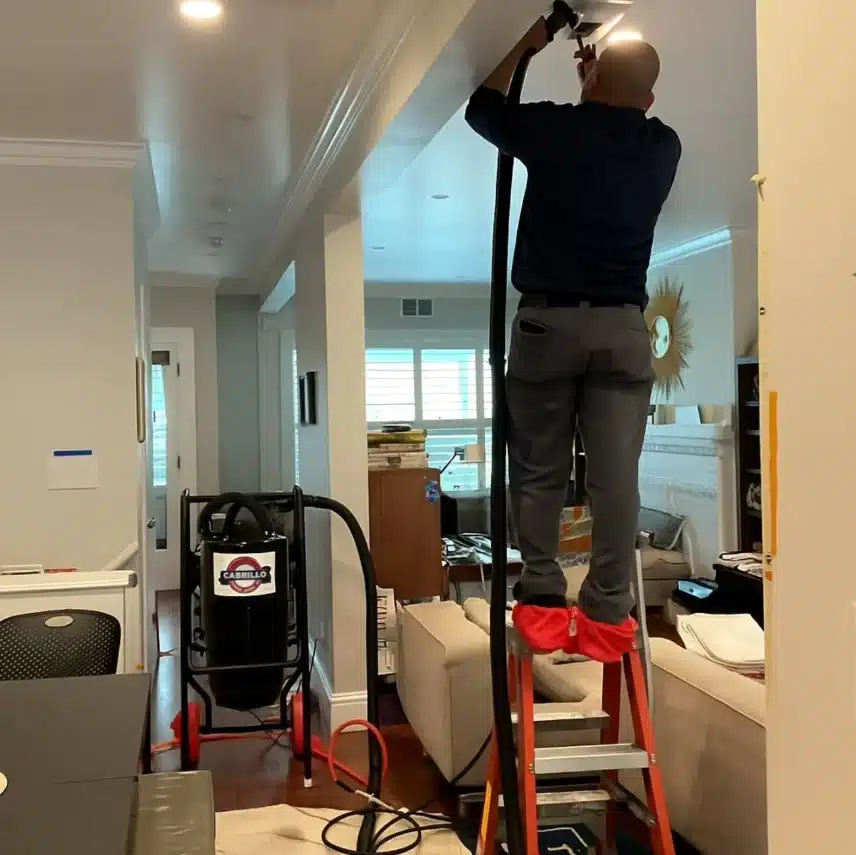
Why Understanding What an HVAC Maintenance Visit Includes Saves Bay Area Homeowners Real Money
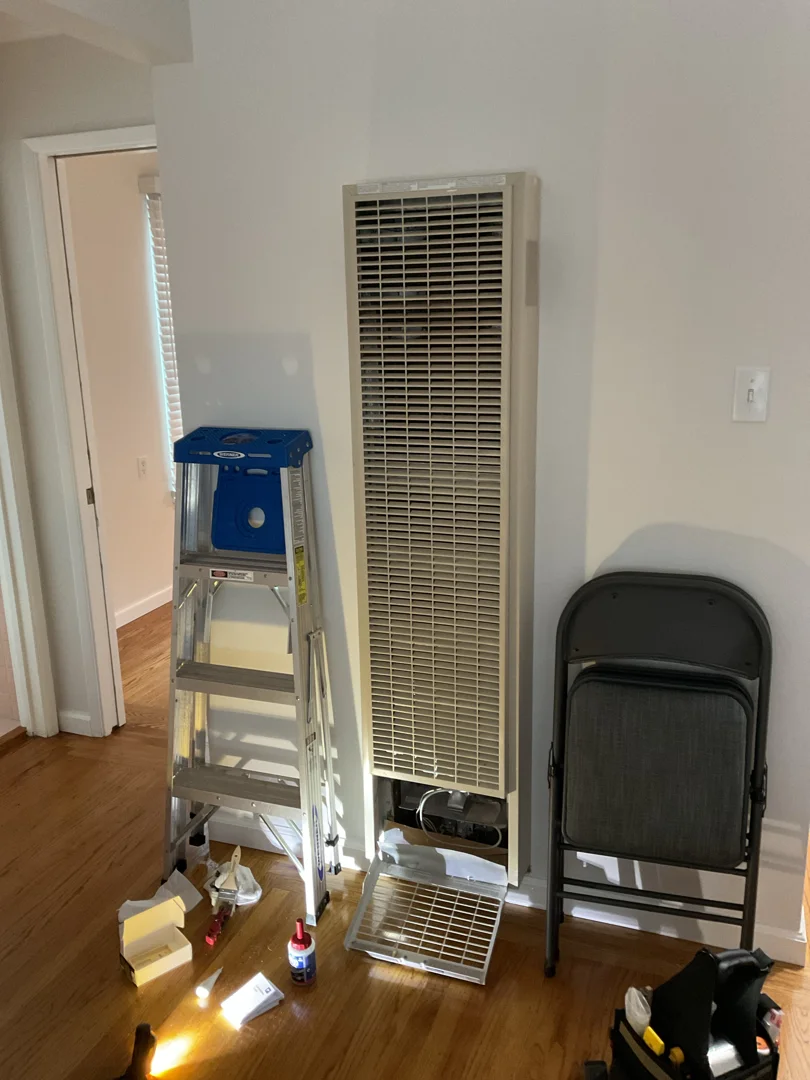
What does an HVAC maintenance visit include is one of the most practical questions a homeowner can ask — and knowing the answer before your next appointment puts you in a much stronger position.
Here is a quick summary of what a standard professional HVAC maintenance visit covers:
- Air filter inspection and replacement
- Thermostat calibration and testing
- Electrical connections check and tightening
- Evaporator and condenser coil cleaning
- Refrigerant level verification
- Condensate drain line clearing
- Blower motor and airflow assessment
- Heat exchanger inspection for cracks
- Carbon monoxide and safety control testing
- Overall system performance evaluation
A thorough visit typically takes 60 to 90 minutes per system. Anything significantly shorter is likely more of a visual glance than a real tune-up.
For Bay Area homeowners, this matters more than most people realize. San Francisco’s mix of marine layer, seasonal humidity, and occasional wildfire smoke puts real stress on heating and cooling equipment. A system that looks fine can quietly lose 5% or more of its efficiency every year without proper care — and those losses show up directly on your energy bill.
Think of HVAC maintenance the same way you think of getting your car’s oil changed. You do it not because something is broken, but because skipping it turns small issues into expensive ones. A well-maintained system can last 15 to 25 years. One that gets ignored often fails well before the 10-year mark.
The sections below walk through every part of a professional maintenance visit in plain language, so you know exactly what should happen — and what to ask about if it doesn’t.
Must-know what does an hvac maintenance visit include terms:
What Does an HVAC Maintenance Visit Include?
When we pull up to your home in San Francisco, Menlo Park, or San Mateo, a real tune-up is much more than a quick clipboard inspection. A comprehensive checkup requires a systematic, hands-on approach to ensure every part of your heating and cooling system is operating safely and efficiently.
To help you understand the full scope of this service, we recommend checking out The Ultimate Homeowner Guide to HVAC Maintenance. Our professional visits are structured around a comprehensive checklist that covers deep physical cleaning, precise electrical calibration, and rigorous safety testing.
During a routine visit, we systematically test and calibrate your system under real operating conditions. We measure static pressure, analyze airflow, check all safety limit switches, and verify that your thermostat is communicating perfectly with your indoor and outdoor equipment.
To understand the difference between a proactive tune-up and an emergency service call, review the comparison below:
| Service Feature | Routine Maintenance Visit | Emergency Repair Call |
|---|---|---|
| Primary Goal | Preventative care, performance optimization, and safety checks | Diagnosing and fixing a specific, active system failure |
| Scope of Work | Full-system cleaning, calibration, and multi-point inspection | Targeted troubleshooting and replacement of failed parts |
| Scheduling | Planned in advance during mild spring or fall seasons | Scheduled urgently when comfort or safety is compromised |
| Impact on Lifespan | Maximizes equipment life and maintains manufacturer warranties | Resolves immediate breakdown but doesn’t address overall wear |
Cooling System Tasks: What Does an HVAC Maintenance Visit Include for AC?
When the summer sun warms up the East Bay or the Peninsula, your air conditioner needs to be in peak shape. During the cooling portion of our visit, we focus on several high-stress components.
First, we clean the outdoor condenser coils and the indoor evaporator coils. Dirty coils reduce your system’s ability to transfer heat, forcing it to run longer and work harder. We also verify your refrigerant levels. If refrigerant is low, it indicates a leak that must be located and repaired, as running a system low on charge can permanently damage the compressor.
Additionally, we flush and clear the condensate drain line. As your AC cools, it pulls moisture out of the damp Bay Area air. If the drain line gets clogged with algae or dust, it can back up and cause severe water damage to your ceilings or crawl spaces. Finally, we inspect the blower motor and measure its electrical draw to ensure it isn’t pulling excessive amperage, which is a classic sign of motor fatigue. For complete peace of mind, you can learn more about our local services by visiting AC Maintenance Tune-Up San Francisco CA.
Heating System Tasks: What Does an HVAC Maintenance Visit Include for Furnaces?
When the chilly winter marine layer rolls into Pacifica, Daly City, or Oakland, your furnace becomes the heart of your home. Heating maintenance is primarily focused on safety, reliability, and fuel efficiency.
The most critical task we perform during a furnace tune-up is inspecting the heat exchanger for cracks. A cracked heat exchanger can allow toxic carbon monoxide to leak into your home’s breathing air. We also inspect and tighten all gas connections to prevent leaks, clean the burner assembly to ensure clean combustion, and test the ignition system so your furnace starts reliably on the coldest nights of the year.
To understand why keeping these components clean is so vital for your home’s air quality and safety, read why Regular Heating and Cooling Maintenance Is an Evolutionary Requirement.
How Often Should You Service Your HVAC System?
We recommend scheduling professional maintenance twice a year: once in the spring for your air conditioner and once in the fall for your furnace.
If you use a heat pump system — which handles both heating and cooling year-round — bi-annual visits are still highly recommended because the system works through every single season. Timing these visits before the peak summer heat and winter cold ensures that we catch minor wear and tear before it escalates into a major system breakdown.
For tips on how to align your service visits with seasonal transitions, check out Timing Your Tune-Up for a Happy Home.
Living in the Bay Area presents unique local climate challenges. While our winters are relatively mild compared to other parts of the country, our coastal fog, salt air, and seasonal dust storms can rapidly accumulate on outdoor coils.
To keep your system running optimally in our specific microclimates, consult our guide on Spring HVAC Maintenance for the San Francisco Bay Area.
The Benefits of Regular HVAC Maintenance
Skipping your seasonal tune-ups might seem harmless in the short term, but it quietly drains your wallet and compromises your indoor comfort. The benefits of keeping up with regular preventative care include:
- Extended System Lifespan: Regular maintenance can extend your equipment’s lifespan by up to 48%, helping your system reach its full 15-to-25-year potential. Learn more about how Maintenance Can Extend the Life of Your Equipment.
- Lower Energy Bills: Dirty coils and restricted airflow can reduce efficiency by up to 30%. Keeping components clean ensures your system uses the minimum amount of energy to keep you comfortable.
- Improved Indoor Air Quality: Our homes can trap dust, pet dander, and pollen. A clean system with a fresh filter acts as your home’s lungs, removing these pollutants from your indoor air.
- Warranty Compliance: Most major manufacturers require documented professional maintenance to keep your parts warranty valid.
To see how proactive care protects your home and finances over time, explore the Top 4 Benefits of HVAC Preventive Maintenance.
DIY Maintenance vs. Professional Service
While we love helping our neighbors keep their homes comfortable, there are several tasks you can safely handle yourself between our visits.
The single most important DIY task is checking and replacing your air filter every 1 to 3 months. A clogged filter restricts airflow, increases your energy bills, and can even cause your AC coils to freeze or your furnace to overheat. You can also keep the area around your outdoor condenser unit clear of leaves, dirt, and bushes. Maintaining at least two feet of clear space around the unit ensures it has the airflow it needs to dump heat outside.
However, anything that requires opening the equipment cabinet, handling electrical wiring, or working with refrigerant must be left to a licensed professional. Under federal law (EPA Section 608), only certified technicians are permitted to handle refrigerant.
Trying to service high-voltage electrical connections or gas lines yourself is highly dangerous and can void your manufacturer warranty. To help weigh the value of professional intervention, read Annual HVAC Maintenance Is It Worth It.
Frequently Asked Questions About HVAC Maintenance
We receive many questions from homeowners in Palo Alto, Concord, and Redwood City about how to manage their home comfort systems. Here are answers to some of the most common inquiries.
How does regular maintenance affect my manufacturer warranty?
Most modern HVAC systems come with a manufacturer warranty that covers replacement parts for 5 to 10 years. However, this coverage is almost always contingent on regular, professional maintenance.
If a major component like your compressor or heat exchanger fails, the manufacturer will likely request copies of your annual service records before approving the warranty claim. Without proof of regular professional service, your claim could be denied, leaving you responsible for the repair.
Enrolling in a structured service agreement is an easy way to automate this documentation. Discover more by reading What Are the Benefits of Enrolling in HVAC Maintenance Agreements.
What common problems can regular maintenance help prevent?
Regular maintenance is designed to stop problems before they start. Some of the most common issues we prevent during our visits include:
- Frozen Evaporator Coils: Caused by restricted airflow from dirty filters or low refrigerant charge.
- Carbon Monoxide Leaks: Prevented by early detection of cracks in the heat exchanger or loose flue venting.
- Clogged Condensate Drains: Prevented by flushing the drain line to clear out algae and debris before it floods your home.
- System Short Cycling: Caused by dirty sensors or overheating components that force the system to turn on and off rapidly, accelerating wear and tear.
What should I look for when choosing an HVAC maintenance plan?
A high-quality maintenance plan should offer real, tangible benefits that save you time and hassle. Look for programs that include:
- Priority Scheduling: Ensures you get fast service during peak summer and winter rush periods.
- Repair Discounts: Provides a discount on parts and labor if a repair is ever needed.
- Service Reminders: The company contacts you when it is time to schedule your seasonal visit so you don’t have to track it yourself.
For a handy guide to choosing the right program for your household, check out our Cheat Sheet to Save Money with Maintenance Plans.
Conclusion
At Cabrillo Plumbing, Heating & Air, we have spent over 60 years helping our neighbors across the San Francisco Bay Area maintain safe, efficient, and reliable homes. From San Francisco and South San Francisco down to San Jose and Menlo Park, our licensed and certified technicians are committed to providing thorough, professional care.
We stand behind our work with the Cabrillo Guarantee, offering clear, transparent “by-the-job” pricing so you always know what to expect before we begin. Whether you need a seasonal tune-up, a system repair, or a complete replacement, we are here to ensure your year-round comfort.
Don’t wait for the next major weather shift to test your system. Schedule your professional tune-up today by visiting AC Maintenance Tune-Up San Francisco CA.