
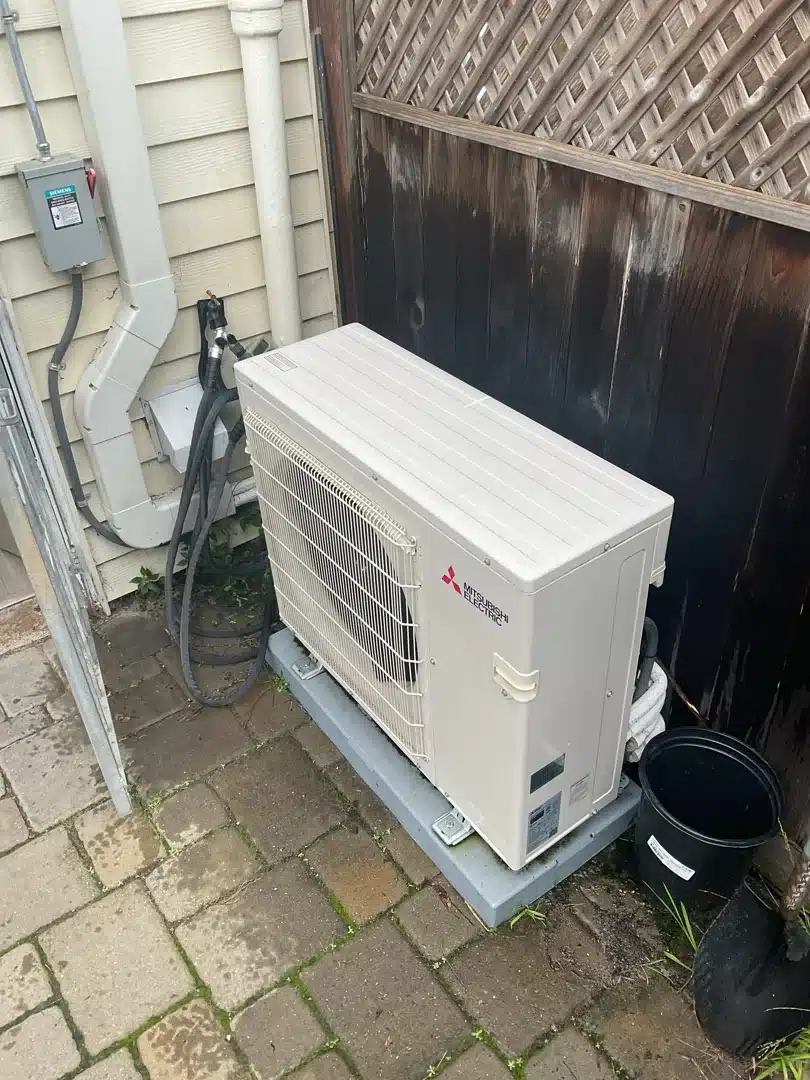
What Every Bay Area Homeowner Should Know About How a Heat Pump Works
Understanding how a heat pump works is the first step toward making a smart decision about your home’s heating and cooling. Here’s the short answer:
A heat pump moves heat from one place to another — it doesn’t generate it. In summer, it pulls heat out of your home and releases it outside. In winter, it extracts heat from outdoor air and brings it inside.
Key benefits at a glance:
- Provides both heating and cooling in one system
- Delivers 3 to 5 times more energy than it consumes
- Uses up to 50% less energy than a gas furnace or electric resistance heater
- Reduces CO2 emissions by more than 45% compared to high-efficiency gas boilers
- Works with existing ductwork or as a ductless mini-split
If you’re a Bay Area homeowner weighing your options for a heating and cooling upgrade, a heat pump is worth a serious look. San Francisco’s mild climate is nearly ideal for heat pump performance — moderate winters mean the system rarely has to work at the edge of its limits. Yet many local homeowners still aren’t sure exactly what’s happening inside that outdoor unit. This guide walks you through the mechanics step by step, so you can make a confident, informed choice for your home.
Understanding the Mechanics: How Does a Heat Pump Work?
To understand how does a heat pump work, we first have to look at the physics of heat. Heat naturally wants to move from a warm place to a cold place. A heat pump uses a small amount of electricity to “pump” that heat in the opposite direction.
Think of it like a refrigerator. Your fridge doesn’t actually “create” cold; instead, it removes the heat from inside the box and dumps it into your kitchen. A heat pump does the exact same thing, just on a much larger scale for your entire home. By using a specialized fluid called refrigerant, the system can absorb heat even when it feels chilly outside.
In May 2026, this technology has become the gold standard for efficiency. Unlike a furnace that burns gas to create heat, or an electric baseboard heater that uses a lot of power to get hot, a heat pump simply transfers what is already there. This is why we often refer to it as “heat transfer” rather than “heat generation.” For a deeper dive into local considerations, check out Everything You Need to Know About Heat Pumps in San Francisco or our How Does a Heat Pump Work: A Guide for San Francisco Area Homeowners.
How does a heat pump work in cooling mode?
When the Bay Area sun starts warming up your living room, the heat pump acts exactly like a traditional air conditioner.
- Heat Absorption: The indoor unit’s evaporator coil contains cold, liquid refrigerant. As warm indoor air is blown across this coil, the refrigerant absorbs the heat.
- Evaporation: As the refrigerant soaks up heat, it transforms from a liquid into a gas.
- Transport: This gas travels to the outdoor unit.
- Release: The outdoor compressor squeezes the gas, raising its temperature even higher so it can release that heat into the outside air—even if it’s already warm out.
- Humidity Removal: An added bonus is that as the air cools, moisture condenses on the coil and is drained away, keeping your home crisp and comfortable.
How does a heat pump work in heating mode?
This is where the magic happens. In the winter, the process literally runs in reverse thanks to a component called a reversing valve.
Even when it’s 40°F in San Jose or Oakland, there is still a massive amount of heat energy in the air. The heat pump makes its outdoor coils even colder than the outside air, which forces the heat energy to flow into the refrigerant. The system then compresses that refrigerant to concentrate the heat and brings it inside to warm your home.
Because it’s moving heat rather than burning fuel, it’s incredibly efficient. If you’re considering making the switch, our team specializes in Heat Pump Installation San Francisco CA to ensure your system is sized perfectly for our unique coastal climate.
The Four Main Components of a Heat Pump System
To keep the cycle moving, we rely on four heavy-hitting components working in a closed loop:
- The Compressor: Often called the “heart” of the system, it’s located in the outdoor unit. It increases the pressure of the refrigerant, which raises its temperature.
- The Condenser: This is where the refrigerant gives up its heat. In heating mode, the indoor coil acts as the condenser; in cooling mode, the outdoor coil takes this role.
- The Expansion Valve: This acts like a nozzle on a spray bottle. It reduces the pressure of the refrigerant, causing it to cool down rapidly so it can go back and pick up more heat.
- The Evaporator: This is where the refrigerant absorbs heat.
Maintaining these parts is vital for efficiency. We recommend regular Heat Pump Maintenance San Francisco CA to ensure the coils stay clean and the refrigerant levels remain precise.
Comparing Air-Source, Geothermal, and Ductless Systems
Not every home in the Bay Area is the same, which is why there are different types of heat pumps to choose from.
| Type | Source of Heat | Best For |
|---|---|---|
| Air-Source | Outside Air | Most Bay Area homes; easy to install. |
| Geothermal | Ground/Water | Properties with yard space; highest efficiency. |
| Ductless Mini-Split | Outside Air | Homes without ducts; room-by-room control. |
| Dual-Fuel | Air + Gas Furnace | Very cold climates (rarely needed in SF). |
Air-source systems are the most common in places like San Mateo and Burlingame because they are cost-effective and work beautifully in our mild weather. For homes in South San Francisco that might have older layouts, ductless mini-splits are a fantastic way to get modern comfort without tearing up walls. You can find more details in our guide: Everything You Need to Know About South San Francisco Heat Pumps.
Efficiency Ratings and Environmental Benefits in 2026
By 2026, the efficiency of these systems has reached incredible heights. While an old gas boiler might be 80-90% efficient, a modern heat pump can achieve 300% to 400% efficiency. That means for every 1 unit of electricity you put in, you get 3 to 4 units of heat out.
When shopping, keep an eye on these ratings:
- SEER2: Measures cooling efficiency.
- HSPF2: Measures heating efficiency.
- COP (Coefficient of Performance): The ratio of heat delivered to energy consumed.
Beyond the monthly savings, the environmental impact is huge. In the U.S., 70% of houses could significantly reduce their carbon footprint just by switching to a heat pump. In fact, in 2022, heat pump sales officially surpassed gas furnaces in the United States. To help with the transition, there are often Federal Tax Credits for Heat Pump and Water Heater Upgrades available. Learn more about the 4 Benefits of Installing a Heat Pump Heating System in Your Bay Area Home.
Frequently Asked Questions about Heat Pump Operation
Do heat pumps work in extreme cold?
Yes! While older models used to struggle when temperatures dropped below freezing, modern “cold climate” heat pumps can operate efficiently down to -22°F. In the San Francisco Bay Area, where we rarely see temperatures below 35°F, a heat pump will stay in its “sweet spot” of maximum efficiency almost all year long.
How long do heat pumps typically last?
With proper care, a heat pump typically lasts between 15 and 25 years. Because they run year-round (heating and cooling), they do work hard. Regular filter changes and professional inspections are the best way to protect your investment. If you ever run into trouble, our Heat Pump Repair Service San Francisco CA is available to get things back on track.
Do heat pumps run constantly?
You might notice your heat pump running for longer cycles than an old furnace. This is actually by design! Modern systems use variable-speed compressors (inverter technology) to provide a steady, low-level flow of air. This maintains a consistent temperature and is much more efficient than the “blast on, blast off” cycle of older systems. It’s like a marathon runner keeping a steady pace rather than a sprinter constantly stopping and starting.
Conclusion
At Cabrillo Plumbing, Heating & Air, we’ve been helping San Francisco Bay Area homeowners stay comfortable since 1961. We know that choosing a new HVAC system is a big decision, but we believe the heat pump is the future of home comfort. Whether you are in Palo Alto, Walnut Creek, or Daly City, our licensed technicians are here to provide expert guidance and professional installation.
We pride ourselves on our “by the job, not by the hour” pricing and our industry-leading warranties. If you’re ready to see how this technology can transform your home, we’re ready to help.