
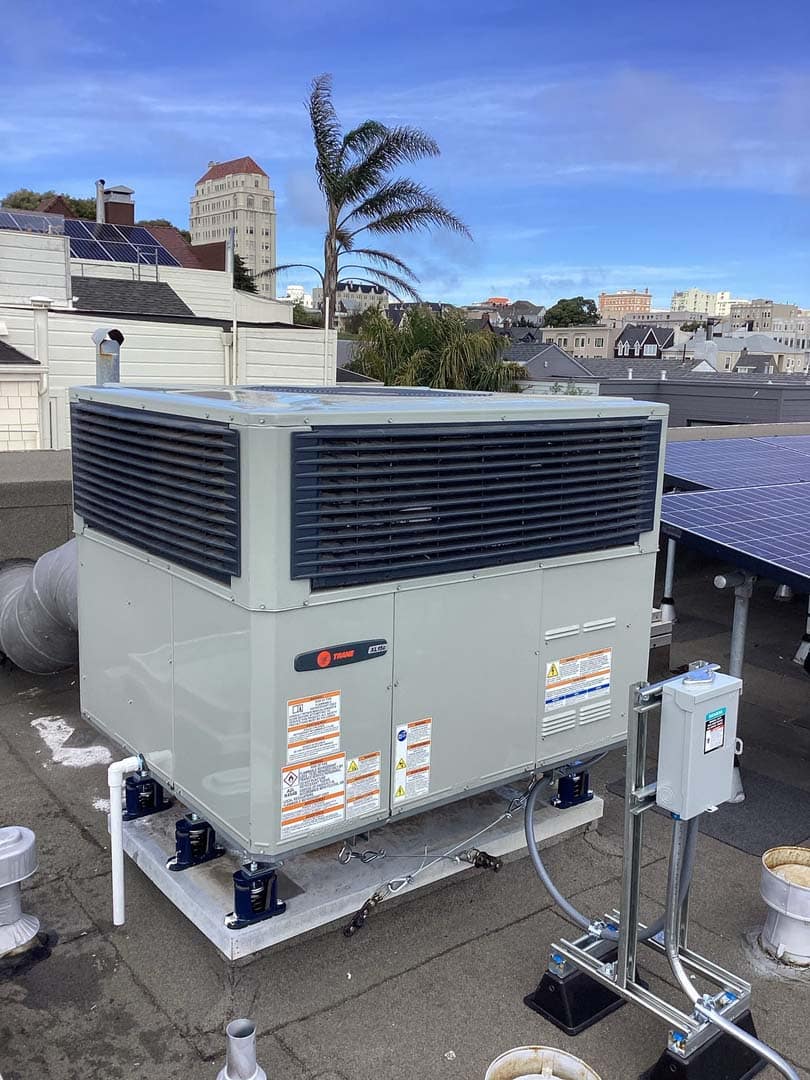
Why Heat Pump Advantages Over Traditional Heating Matter for Bay Area Homeowners
The heat pump advantages over traditional heating are hard to ignore — especially if you’re a San Francisco Bay Area homeowner looking to lower energy bills, improve year-round comfort, and reduce your carbon footprint all at once.
Here’s a quick summary of the top advantages:
- Energy efficiency: Heat pumps are 3–5 times more efficient than gas boilers, with a typical coefficient of performance (COP) of around 4
- Dual functionality: One system handles both heating and cooling, replacing your furnace and AC
- Lower utility bills: Average households save around $370 per year; those switching from fuel oil or propane can save up to $1,000 annually
- Cleaner air: No combustion means no indoor carbon monoxide risk and better indoor air quality
- Reduced emissions: Air-source heat pumps cut household CO2 emissions by roughly 40% compared to gas furnaces
- Works in cool climates: Modern units operate reliably down to -13°F — more than enough for Bay Area winters
Most Bay Area homes run on aging furnaces or central AC systems that handle only one job at a time. A heat pump does both — and it does them more efficiently. The mild San Francisco climate is actually one of the best environments for heat pump performance, since moderate outdoor temperatures allow the system to run at peak efficiency for more of the year.
In this guide, we break down exactly how heat pumps compare to traditional heating systems, what Bay Area homeowners can realistically expect to save, and how to decide if making the switch makes sense for your home.
Heat pump advantages over traditional heating terms simplified:
Understanding the Heat Pump Advantages Over Traditional Heating
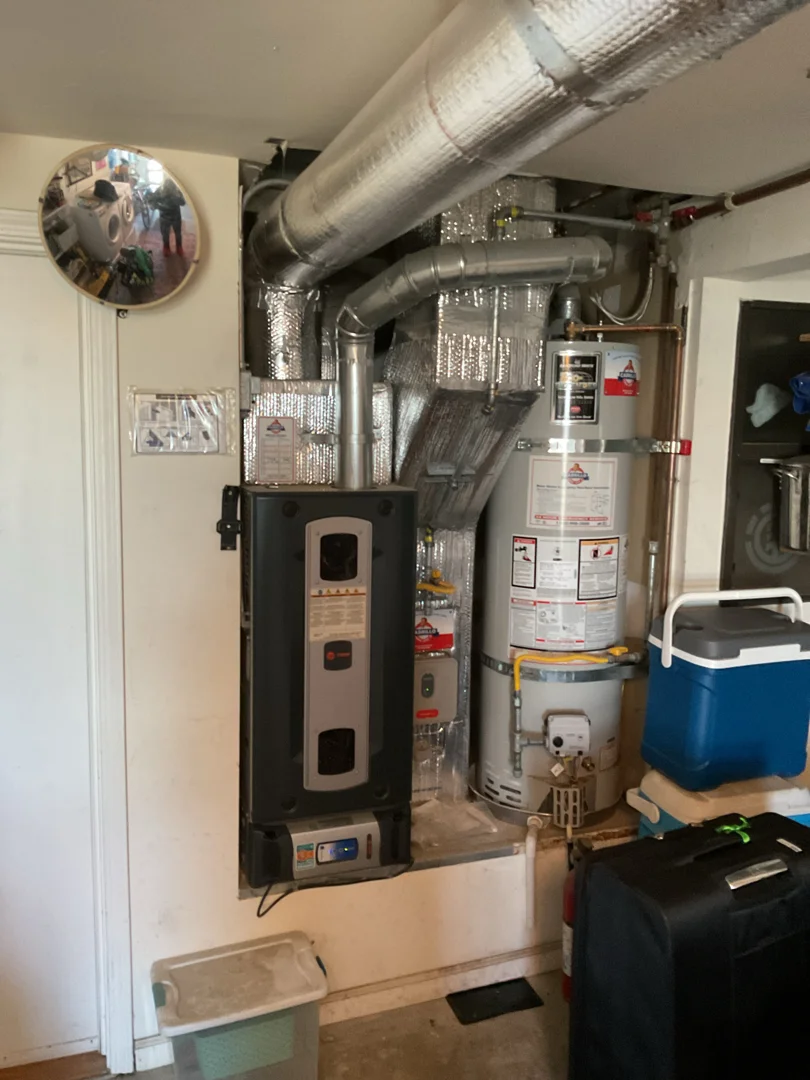
To appreciate why these systems are taking over the home services industry, it helps to look at the basic physics behind them. Traditional heating systems rely on combustion (burning natural gas, propane, or oil) or electrical resistance to generate heat. Heat pumps do something entirely different: they move existing heat from one place to another.
Even when the air outside feels chilly, it still contains a massive amount of thermal energy. In fact, air at 0°F still contains over 80% of the heat energy present at 70°F. A heat pump taps into this ambient thermal energy to keep your home warm. To learn the detailed mechanics behind this process, check out our Step-by-Step Guide to How a Heat Pump Works.
How Heat Transfer Beats Heat Generation
Traditional gas furnaces max out at around 98.5% efficiency, meaning a fraction of the fuel you pay for is always lost as exhaust. Electric baseboard heaters hit a hard limit of 100% efficiency—converting one unit of electricity into exactly one unit of heat.
Because heat pumps transfer heat rather than generate it, they break through these limits entirely. A standard residential heat pump can achieve an efficiency rate of 300% to 500%. This means for every single unit of electricity the system consumes, it delivers three to five units of heat into your living room. For a deeper dive into this technology, take a look at Everything You Need to Know About Heat Pumps in San Francisco.
The Efficiency Metrics: COP, SEER2, and HSPF2
When comparing systems, you will encounter three primary ratings:
- COP (Coefficient of Performance): Measures real-time heating efficiency. A COP of 4 means the system is 400% efficient at that specific temperature.
- HSPF2 (Heating Seasonal Performance Factor): Measures heating efficiency over an entire season. Higher ratings mean better performance in cold weather.
- SEER2 (Seasonal Energy Efficiency Ratio): Measures cooling efficiency during the summer.
Modern variable-speed inverter-driven compressors allow heat pumps to adjust their output continuously. Instead of blasting on and off like a traditional furnace, a variable-speed system runs at a low, steady sip of energy, maximizing these efficiency metrics and keeping your indoor climate perfectly stable.
Key Benefits for Bay Area Homeowners
Living in the Bay Area—whether in San Francisco, Menlo Park, or Walnut Creek—presents unique climate and energy dynamics. Here is how upgrading directly benefits your household.
Lower Utility Bills and High Energy Savings
Because electricity is used only to power the compressor and fans rather than to burn fuel, your overall energy footprint drops. Homeowners who transition from older, inefficient systems see a noticeable drop in monthly utility bills. You can explore these financial and comfort advantages further in our guide on the 4 Benefits of Installing a Heat Pump Heating System in Your Bay Area Home.
Dual Heating and Cooling Functionality
One of the greatest heat pump advantages over traditional heating is that it serves as a two-in-one appliance. Thanks to a component called a reversing valve, the system can instantly switch directions. In the summer, it extracts heat from inside your home and dumps it outside—acting exactly like a high-efficiency central air conditioner.
This dual capability is perfect for Bay Area communities like Concord, San Jose, and Lafayette, where summer temperatures can soar, yet winter nights remain brisk. You no longer need to maintain a separate furnace and central AC. Learn more about this versatile solution in The Ultimate Guide to Heat Pumps in San Francisco and Beyond.
Environmental Impact and Carbon Footprint Reduction
Home heating and cooling is the single-largest source of greenhouse emissions in the average American home. By switching from a gas furnace to an electric heat pump, you can trim your household carbon dioxide emissions by about 40%. Because California’s electrical grid continues to incorporate more wind and solar energy, your heat pump will actually become cleaner and more environmentally friendly over time.
Comparing Heat Pumps to Traditional Furnaces and Boilers
To help visualize the differences, here is a direct comparison between modern heat pumps and traditional gas-fired systems:
| Feature | Modern Heat Pump | Traditional Gas Furnace / Boiler |
|---|---|---|
| Primary Energy Source | Electricity | Natural Gas / Propane |
| Operating Efficiency | 300% – 500% (COP of 3 to 5) | 80% – 98.5% AFUE |
| Functionality | Both Heating & Cooling | Heating Only |
| Indoor Combustion | None (Zero CO Risk) | Yes (Requires Venting) |
| Temperature Delivery | Gentle, Continuous Warm Air | Hot, Intermittent Blasts |
| Average Lifespan | 12 – 18 Years | 15 – 25 Years |
Eliminating combustion also eliminates the risk of carbon monoxide leaks in your home, providing ultimate peace of mind. If you are ready to retire your old, noisy furnace, find out what the transition looks like in our article on Replacing Your Old Heater with a Shiny New SF Heat Pump.
Heat Pump Advantages Over Traditional Heating in Mild Climates
In moderate climates like San Mateo, Belmont, and Millbrae, heat pumps perform exceptionally well. Traditional furnaces often short-cycle (turn on and off rapidly) in mild weather because they produce too much heat too quickly, which wastes energy and wears out parts. Heat pumps run on longer, lower-speed cycles, keeping your home at a consistent, comfortable temperature without drafts or hot spots.
Performance and Reliability in Cold Weather
A common myth is that heat pumps do not work when the temperature drops below freezing. While older models did struggle in extreme cold, modern cold-climate heat pumps utilize advanced inverter compressors and vapor-injection technology to deliver reliable heating even in sub-zero temperatures. For our local climate, a standard air-source system is more than capable of keeping you cozy on the coldest Bay Area nights.
Installation, Maintenance, and Lifespan Considerations
Transitioning to a heat pump requires careful planning to ensure the system is perfectly matched to your home’s unique layout.
Ductwork and Electrical Requirements
If your home already has central ductwork, a ducted heat pump can often connect directly to your existing system. However, we must test the static pressure of your ducts to ensure they can handle the airflow requirements. For homes without ductwork, ductless mini-splits are an excellent alternative, allowing you to create customized heating and cooling zones in different rooms.
Depending on the age of your home in areas like San Francisco or Palo Alto, an electrical panel upgrade may be required to support the new outdoor compressor. Learn more about our professional installation process at Heat Pump Installation San Francisco CA.
Long-Term Maintenance and Lifespan
A well-maintained heat pump typically lasts between 12 and 18 years. Because the system runs year-round for both heating and cooling, regular preventative maintenance is vital. Homeowners should replace air filters every three months and keep the outdoor unit clear of leaves and debris.
To protect your investment, we recommend professional maintenance twice a year—once before the heating season and once before the cooling season. Discover how we support your system through every stage of its life:
- Heat Pump Replacement San Francisco CA
- Heat Pump Maintenance San Francisco CA
- Heat Pump Repair Service San Francisco CA
Potential Drawbacks and When a Hybrid System Makes Sense
While heat pumps are incredibly efficient, it is important to understand their limitations to make an informed decision.
Understanding the Limitations of Air-Source Systems
In regions that experience sustained, extreme sub-zero temperatures, air-source heat pumps can lose some efficiency and heating capacity. During these times, the system may rely on auxiliary electric resistance heat strips to make up the difference. However, because our service areas—from Daly City to San Jose—rarely experience extreme freezing weather, this is rarely a concern for Bay Area residents.
Why a Hybrid or Dual-Fuel Setup Might Be Best
For homeowners who live in colder pockets of the region or those who want the absolute ultimate in backup reliability, a hybrid (or dual-fuel) system is an excellent option. This setup pairs an electric heat pump with a high-efficiency gas furnace. The heat pump handles all the heating and cooling during mild and moderate days, and the system automatically switches over to the gas furnace only when temperatures plunge.
Financial Incentives and Rebates in 2026
The financial landscape for home electrification has evolved significantly. Navigating these updates ensures you do not leave money on the table.
Navigating Post-2025 Tax Credits and State Rebates
While certain federal tax credits under the older programs have shifted, substantial savings remain available. State-administered programs, local utility rebates (such as those from PG&E), and regional clean energy incentives still offer significant funding to offset installation costs. To keep up with the latest active programs, read our guide on Federal Tax Credits for Heat Pump and Water Heater Upgrades.
Calculating Your Long-Term Payback Period
Your payback period depends on your current heating fuel, local utility rates, and how well your home is insulated. Because Bay Area natural gas rates can be highly volatile, switching to a highly efficient electric system helps stabilize your winter energy costs. Properly sizing the system with a professional Manual J load calculation ensures you get the fastest possible return on your investment.
Frequently Asked Questions about Heat Pumps
Do heat pumps work well in cold climates?
Yes. Modern cold-climate heat pumps are designed to operate efficiently at temperatures well below freezing, with some models running reliably down to -13°F. In the mild San Francisco Bay Area climate, a quality heat pump will have no trouble keeping your home warm and comfortable.
What are the main heat pump advantages over traditional heating?
The primary advantages include exceptional energy efficiency (300% to 500%), dual heating and cooling functionality, lower monthly utility bills, improved safety by eliminating combustion, and a significantly reduced environmental impact.
How long do modern heat pump systems last?
With professional maintenance, a standard air-source heat pump will last between 12 and 18 years. Keeping filters clean and scheduling biannual tune-ups are the best ways to maximize your system’s lifespan.
Conclusion
Upgrading to a heat pump is one of the smartest investments you can make for your Bay Area home. By transferring heat rather than burning fuel, these systems provide unmatched efficiency, lower your energy bills, and keep your home perfectly comfortable in every season.
At Cabrillo Plumbing, Heating & Air, we have proudly served Bay Area homeowners since 1961. We make home upgrades simple and stress-free with our upfront “by-the-job” pricing, industry-leading warranties, and dedicated annual maintenance programs. Whether you live in San Francisco, Menlo Park, Belmont, San Mateo, or South San Francisco, our licensed technicians are ready to design the perfect heating and cooling solution for your home.
Ready to experience the comfort and savings of a modern heat pump? Schedule a consultation with the Bay Area’s trusted HVAC experts at Cabrillo Plumbing, Heating & Air today!