
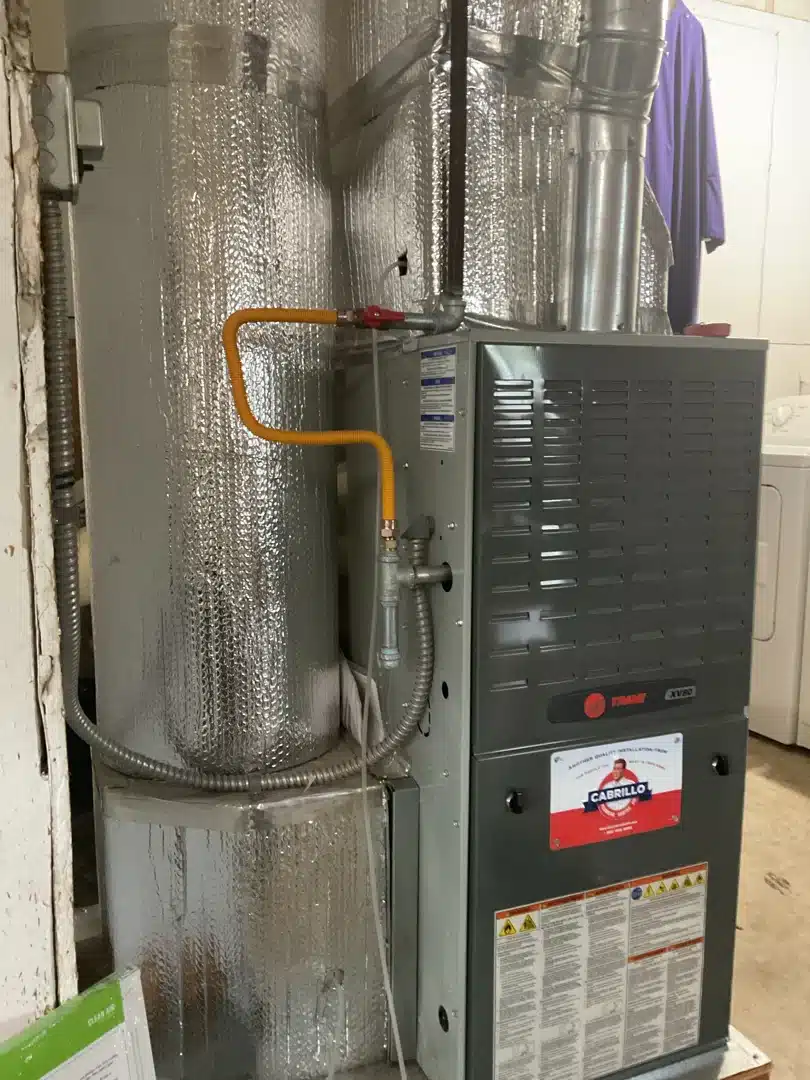
When Your HVAC System Costs More to Keep Than to Replace
Understanding why HVAC replacement is a smart investment can save Bay Area homeowners from a costly cycle of repairs, rising energy bills, and unexpected breakdowns — especially when aging systems are already running on borrowed time.
Here’s a quick summary of the top reasons HVAC replacement pays off:
- Lower energy bills — Modern high-efficiency systems can cut heating and cooling costs by 20–50% compared to older units
- Higher home value — A new system can add 5–7% to your home’s resale value, and homes with new HVAC sell 10–15% faster
- Fewer repairs — Replacing a system that needs repeated fixes stops the drain of compounding repair costs
- Better comfort and air quality — New systems control temperature and humidity more precisely, which matters in Bay Area microclimates
- Safety — Old systems can develop cracked heat exchangers that leak carbon monoxide into your living space
- Financial incentives — State-level rebates and utility programs can meaningfully offset your upfront investment
Heating and cooling account for 30–50% of the average American homeowner’s annual energy bills. When an aging system starts losing efficiency — or demanding frequent service calls — that percentage climbs even higher. At some point, continuing to repair an old unit isn’t maintaining it. It’s funding a machine that’s already in decline.
For Bay Area homeowners dealing with everything from coastal fog to inland heat waves, a reliable HVAC system isn’t a luxury. It’s a necessity. The question isn’t always whether to replace — it’s when, and what to look for when you do.
Explore more about why hvac replacement is a smart investment:
I’m looking to upgrade my home’s heating. Who in San Francisco specializes in energy-efficient systems?
If you are asking yourself this question, you are not alone. Bay Area homeowners from San Francisco and South San Francisco down to San Mateo, Belmont, and Menlo Park face unique climate demands. We transition from damp, chilly mornings to warm afternoons, requiring heating and cooling systems that can adapt quickly without wasting energy.
At Cabrillo Plumbing, Heating & Air, we have specialized in energy-efficient home comfort systems since 1961. Our certified technicians understand the local housing stock—from classic San Francisco Edwardians to mid-century homes in San Mateo. We focus on finding the exact system size and efficiency level that matches your home’s layout and your family’s lifestyle.
When upgrading, choosing between standard and high-efficiency equipment is one of your first decisions. Modern systems offer advanced features like variable-speed blowers and multi-stage compressors that keep your indoor climate perfectly balanced. To understand the differences in technology, performance, and long-term value, read through A Comprehensive Guide to Standard vs High Efficiency HVAC Systems.
Why HVAC Replacement Is a Smart Investment for Modern Homeowners
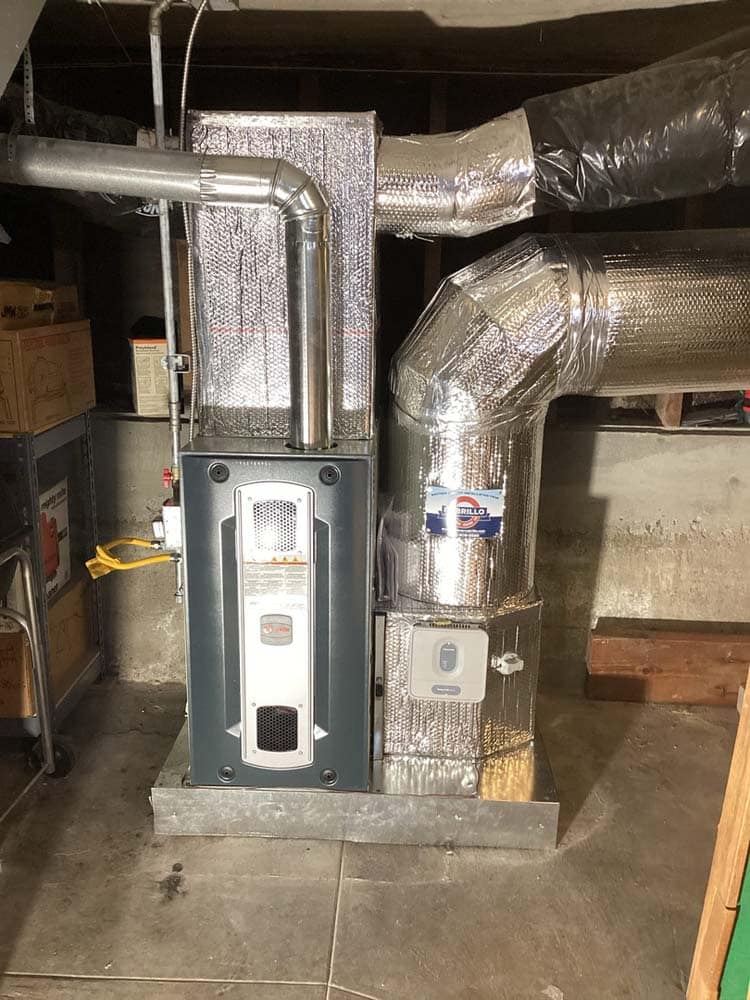
Many homeowners view a new HVAC system as a reactive purchase—something you only buy when the old one completely dies in the middle of a heatwave or a winter storm. However, viewing replacement as a proactive financial strategy reveals why HVAC replacement is a smart investment.
Modern HVAC systems are built on entirely different technology than those manufactured 10 or 15 years ago. Today’s systems utilize variable-speed technology. Instead of operating like a traditional single-stage system—which is either running at 100% capacity or completely off—variable-speed systems adjust their output in tiny increments. They run longer at lower, quieter speeds to maintain a highly consistent temperature.
Additionally, modern cooling systems are rated under the newer, stricter SEER2 (Seasonal Energy Efficiency Ratio 2) standards, while gas furnaces boast high AFUE (Annual Fuel Utilization Efficiency) ratings of up to 98%. This means almost none of the fuel you pay for goes to waste.
However, these efficiency ratings only deliver on their promises if your system is correctly sized for your home. An oversized system will short-cycle (turn on and off rapidly), wearing out components and wasting energy. An undersized system will run constantly without ever reaching your desired temperature. For a complete look at how we calculate the perfect system volume for your home, check out The Bay Area Guide to Getting the Right Size HVAC.
Why HVAC Replacement Is a Smart Investment for Lowering Utility Bills
With Bay Area utility rates continuing to rise in 2026, lowering your monthly energy consumption is one of the most direct ways to reclaim your household budget. Because heating and cooling make up such a massive portion of your energy bill, upgrading to a high-efficiency system can reduce your monthly utility costs by 20% to 50%.
When you combine a modern variable-speed heat pump or furnace with proper duct sealing and smart thermostat scheduling, the savings compound. Over its lifespan, a high-efficiency system often pays for itself entirely through these monthly utility reductions.
If you are trying to decide whether to keep patching up your current unit or to invest in a modern upgrade, it helps to look at the numbers. You can read our Step-by-Step Guide to Cost of Repairing Old HVAC vs Buying New System to evaluate the long-term cost benefits of each path.
Why HVAC Replacement Is a Smart Investment for Home Resale Value
If you plan to sell your Bay Area home in the near future, a new HVAC system is a powerful selling point. Modern home buyers are highly focused on energy efficiency and move-in readiness. In fact, studies show that 72% of home buyers prioritize energy-efficient features when searching for a home.
A new heating and cooling system benefits sellers in several distinct ways:
- Increased Valuation: On average, a new HVAC system can add 5% to 7% to a home’s resale value.
- Faster Sales: Homes listed with newly replaced HVAC systems sell 10% to 15% faster than comparable properties with aging, outdated units.
- Reduced Transaction Risk: Aging systems are a prime target for home inspectors. Replacing the system proactively removes a major hurdle, preventing buyers from demanding steep repair concessions or walking away from the deal.
- Appraiser Appeal: Real estate appraisers look for capital improvements that extend the functional life of the property, resulting in favorable adjustments during the appraisal process.
To see how a modern system builds equity in your property, read How a New HVAC System Increases Home Value and Your Net Worth. To prepare for your home valuation, check out our Ultimate Checklist for How HVAC Condition Affects Home Appraisals.
Evaluating the Repair-vs-Replace Dilemma
Deciding whether to repair or replace your current system doesn’t have to be a guessing game. By looking at specific operational indicators, you can make a logical, data-driven decision.
| Indicator | Favor Repair | Favor Replacement |
|---|---|---|
| System Age | Under 10 years old | Over 12–15 years (AC/Heat Pump) or 15–20 years (Furnace) |
| Repair Frequency | Rare, minor issues (e.g., a dirty flame sensor or bad capacitor) | Multiple repairs in the last 24 months; a “repair spiral” |
| Refrigerant Type | Modern R-410A or R-454B | Phased-out R-22 (Freon), which is scarce and expensive to service |
| Energy Bills | Stable and consistent with seasonal averages | Rising steadily despite regular maintenance |
| Operational Safety | System passes all safety and carbon monoxide checks | Cracked heat exchanger or recurring electrical faults |
Two helpful rules of thumb can guide your financial decision:
- The 50% Rule: If a single repair estimate costs 50% or more of the price of a complete replacement system, go with the replacement.
- The $5,000 Rule: Multiply the age of your system in years by the repair estimate. If the total exceeds $5,000, investing in a new system is generally the smarter financial move. For example, a $600 repair on an 11-year-old system equals $6,600—suggesting it’s time to replace.
To stop wasting money on a failing system, read Stop Throwing Money at a Dying Unit and Decide Between Repair and Replacement. For a deeper look into furnace and AC decisions, explore The Complete Guide to Repair vs Replace an Old Furnace or AC.
Critical Safety Indicators and Modern Technology Upgrades
While efficiency and resale value are excellent reasons to upgrade, safety is an absolute priority. Aging heating and cooling systems present real physical risks to your household:
- Cracked Heat Exchangers: In gas furnaces, the heat exchanger keeps toxic combustion byproducts separate from the air circulated through your home. Over years of heating and cooling cycles, the metal can fatigue and crack, allowing deadly, odorless carbon monoxide gas to leak into your living spaces. A cracked heat exchanger requires an immediate system shutdown and replacement.
- Refrigerant Phase-Outs: Older air conditioning units rely on R-22 refrigerant (Freon), which has been completely phased out due to environmental regulations. If your R-22 system develops a leak, recharging it is incredibly expensive and unsustainable. Modern systems use eco-friendly refrigerants like R-454B, which are better for the planet and far easier to service.
- Indoor Air Quality (IAQ): Modern HVAC systems do more than heat and cool; they serve as the filtration hub for your home. Upgrading allows you to integrate advanced media filters, air purifiers, and humidity control systems. This is especially valuable in the Bay Area, where we frequently deal with seasonal pollen, mold from coastal moisture, and wildfire smoke.
Frequently Asked Questions about HVAC Upgrades
How does the 50% rule help decide between repair and replacement?
The 50% Rule is a straightforward financial framework. If a professional repair quote costs 50% or more of what a new system installation would cost, replacement is the more sensible, long-term decision.
Spending significant money to repair an older system only fixes one component; it does not reset the lifespan of the remaining aged parts. Investing that money toward a new system gives you 15 to 20 years of reliable service, a brand-new manufacturer’s warranty, and immediate energy savings.
Does a new HVAC system actually increase a home’s resale value?
Yes, a new HVAC system is a major capital improvement that adds tangible value. On average, it can boost your home’s appraisal value by 5% to 7%.
More importantly, it influences buyer psychology. Buyers love knowing they won’t have to worry about a massive home maintenance expense for the next decade or two. It makes your home stand out in competitive Bay Area real estate markets, reduces transaction risks during inspections, and helps your home sell faster.
What safety risks make immediate HVAC replacement necessary?
The most critical safety risk is a cracked heat exchanger in a gas furnace, which can leak carbon monoxide into your home. Other immediate safety risks include severe, recurring electrical shorts that pose a fire hazard, and older systems with significant R-22 refrigerant leaks that cannot be safely or legally repaired.
Conclusion
Replacing your heating and cooling system is a significant step, but when you look at the monthly utility savings, increased home equity, improved indoor air quality, and daily peace of mind, it is clear why HVAC replacement is a smart investment for Bay Area homeowners.
At Cabrillo Plumbing, Heating & Air, we want you to feel completely confident in your investment. That is why we stand behind our installations with the Cabrillo Guarantee—our commitment to upfront, by-the-job pricing, exceptional warranties, and making things right if your expectations aren’t met. To keep your new investment running at peak efficiency for years to come, we also offer an annual maintenance program designed to prevent breakdowns and lower your operating costs.
To learn more about how we protect your home and your wallet, read Everything You Need to Know About the Cabrillo Guarantee.
Ready to upgrade your home’s comfort and efficiency? Schedule your professional HVAC services today with our expert, local team.