
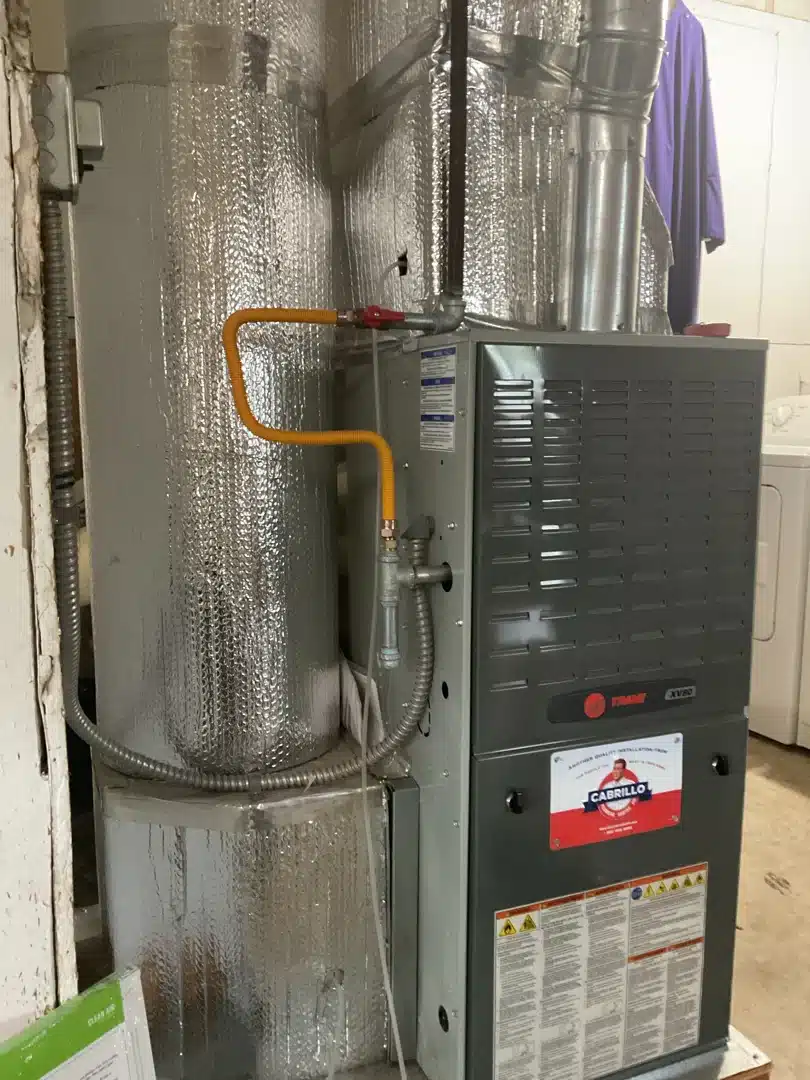
Standard Efficiency vs High Efficiency HVAC Comparison for Bay Area Homeowners
When making a standard efficiency vs high efficiency HVAC comparison, here’s the quick answer:
| Factor | Standard Efficiency | High Efficiency |
|---|---|---|
| SEER2 (cooling) | 13–15 | 16–30+ |
| AFUE (furnaces) | ~80% | 95–98% |
| Operation | Single-speed, on/off | Variable-speed, modulating |
| Energy savings | Baseline | 15–28% lower bills |
| Best for | Short-term, mild use | Long-term, high-use homes |
| Noise | Louder cycling | Quieter, gradual ramp-up |
| Humidity control | Basic | Significantly better |
If you’re a Bay Area homeowner weighing your next heating or cooling system, the choice between standard and high-efficiency equipment directly shapes your monthly energy use, indoor comfort, and long-term value. The San Francisco Bay Area’s wide range of microclimates — from foggy coastal neighborhoods to warmer inland valleys — means there’s no single right answer for every home.
The good news is that once you understand how these systems differ, the decision gets a lot clearer. At Cabrillo Plumbing, Heating & Air, we’ve been helping Bay Area homeowners navigate exactly this kind of decision since 1961.
Standard Efficiency vs High Efficiency HVAC Comparison: The Core Differences
At the simplest level, standard-efficiency systems meet current minimum efficiency requirements, while high-efficiency systems go well beyond them. But this is not just about labels or stickers. It affects how your system runs every day.
A standard system usually works like a basic light switch: on or off. A high-efficiency system acts more like a dimmer switch, adjusting output to match what your home actually needs. That difference affects comfort, noise, humidity control, and energy use.
What “standard efficiency” usually means in an HVAC system
For air conditioners, standard efficiency usually means a SEER2 rating near the minimum allowed. For furnaces, it often means about 80% AFUE, which means roughly 80% of the fuel becomes usable heat and about 20% is lost through exhaust.
These systems commonly use:
- Single-stage heating or cooling
- Single-speed blower motors
- More noticeable on-off cycling
- Basic comfort control
There is nothing wrong with standard equipment. In the right home, it can be a practical choice. But it is less precise, so you may notice wider temperature swings and a bit more noise when it starts up.
What “high efficiency” means in a modern replacement system
High-efficiency equipment generally starts around:
- 16+ SEER2 for cooling
- 95-98% AFUE for furnaces
- Higher HSPF2 ratings for heat pumps
These systems often include:
- Variable-speed or inverter-driven compressors
- ECM blower motors
- Two-stage or modulating operation
- Sealed combustion on high-efficiency furnaces
- Condensing technology that captures more heat before it escapes
That extra technology is why high-efficiency systems can save energy while also feeling more comfortable. If you want to dig deeper into cooling features, see common features to look for in high efficiency air conditioners.
Standard efficiency vs high efficiency HVAC comparison for comfort and daily performance
This is where homeowners often notice the biggest real-world difference.
Standard systems tend to run at full blast, then shut off. That can create hot spots, cold spots, and the familiar thermostat dance of “too warm, too cool, too warm again.”
High-efficiency systems usually run longer at lower speeds. That helps with:
- More even temperatures from room to room
- Better humidity control
- Quieter operation
- Less harsh cycling
- Improved comfort during mild but damp Bay Area weather
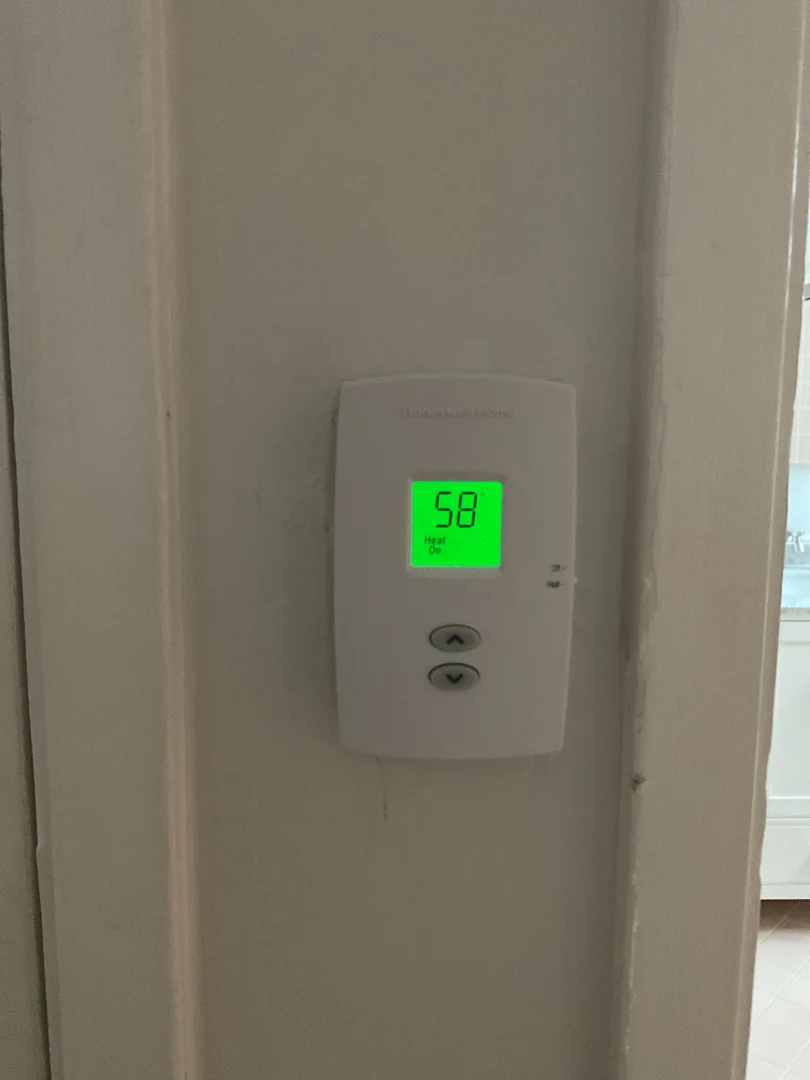
In places like San Francisco, Pacifica, Half Moon Bay, and Daly City, where marine air and microclimates can make homes feel clammy, better humidity control can matter as much as raw temperature.
How Efficiency Ratings Work and Why They Matter
HVAC ratings can look like alphabet soup, but they are actually useful once you know what each one measures.
SEER2 and EER2 explained for air conditioners
SEER2 measures seasonal cooling efficiency. It reflects how efficiently an AC performs over a range of conditions across a typical cooling season.
EER2 measures efficiency at a fixed outdoor temperature, usually 95 degrees Fahrenheit. It helps show how a system performs during hotter conditions.
In general:
- Higher SEER2 = better seasonal efficiency
- Higher EER2 = better performance during peak heat
As of 2026, federal minimums vary by region, and modern high-efficiency systems can go far above the baseline. For a fuller breakdown, read what is a SEER rating: a number that says a lot about the efficiency of your air conditioner.
AFUE explained for furnaces
AFUE stands for Annual Fuel Utilization Efficiency. It measures how much fuel a furnace converts into usable heat over a heating season.
Examples:
- 80% AFUE furnace: 80 cents of every fuel dollar becomes heat
- 97% AFUE furnace: 97 cents of every fuel dollar becomes heat
That gap matters. Research consistently shows high-efficiency furnaces can cut heating bills by roughly 16-20% compared with standard 80% AFUE models. For more guidance, see what is a good AFUE rating for a new furnace.
HSPF2 explained for heat pumps
HSPF2 measures a heat pump’s heating efficiency over an entire heating season. The higher the number, the more heat you get per unit of electricity.
This rating matters a lot if you are considering:
- An all-electric home
- A heat pump replacement
- A dual-fuel setup for Bay Area climate flexibility
Heat pumps can reduce site energy use by roughly 20-40% compared with older AC and gas furnace combinations, and in some cases much more versus aging equipment.
| Rating | Used For | What It Tells You |
|---|---|---|
| SEER2 | Air conditioners and heat pumps in cooling mode | Seasonal cooling efficiency |
| EER2 | Air conditioners and heat pumps | Efficiency at high outdoor temperature |
| AFUE | Gas furnaces | Percent of fuel turned into heat |
| HSPF2 | Heat pumps in heating mode | Seasonal heating efficiency |
Energy Savings and Long-Term Value
High-efficiency equipment usually delivers stronger energy performance over time.
Standard efficiency vs high efficiency HVAC comparison for long-term value
For many homeowners, the right question is not just “Which system works today?” but “Which one fits how long we will stay here and how much we use it?”
Research shows high-efficiency systems often reduce energy bills by 15-28%, with many households seeing meaningful yearly savings depending on equipment type, utility rates, and usage.
Long-term value depends heavily on:
- Bay Area microclimate
- How often your system runs
- Home insulation and duct leakage
- Whether you plan to stay in the home for years or move sooner
In homes with heavier HVAC use, the long-term efficiency benefits can be more noticeable. In very mild situations, the difference may feel smaller.
Typical savings homeowners may see over time
Broadly speaking:
- Upgrading from an 80% furnace to a 95-98% model can meaningfully reduce winter gas use
- Moving from baseline AC efficiency to a higher SEER2 system can lower summer electric use
- High-efficiency heat pumps can deliver especially strong savings in homes replacing older equipment
Some high-efficiency cooling systems and heat pumps can reduce energy use dramatically compared with older traditional systems, in certain cases by up to 50%. Actual results vary, but the direction is clear: more efficient equipment wastes less energy.
How rebates, tax credits, and incentives can change the math
Incentives can make a big difference, so always check before making a final decision.
A few important notes for 2026:
- Utility rebates may still be available for qualifying high-efficiency systems
- Local and state program availability can change
- Federal tax credit rules have changed over time, so current eligibility should always be verified before installation
We recommend checking trusted rebate tools and reviewing Federal Tax Credits for Heat Pump and Water Heater Upgrades for context.
Which Option Fits Your Home Best?
This is where the best answer becomes personal.
When high-efficiency HVAC makes the most sense
High-efficiency usually makes the most sense when:
- You plan to stay in your home long term
- Your heating or cooling usage is high
- Your home has comfort problems like uneven temperatures
- Humidity control matters
- You want quieter operation
- You have a larger home or multiple zones
- You want to pair the system with a smart thermostat
When a standard-efficiency system may be the better choice
A standard system can be the better fit when:
- You expect to move soon
- Your home has relatively light HVAC usage
- You are replacing equipment in a very mild microclimate
- Simplicity is a higher priority than maximum efficiency
- The property is used in a way that does not justify a higher-efficiency upgrade
Sometimes simple really is smart. Not every home needs the most advanced system on the market.
Bay Area factors that affect the decision
The Bay Area is a patchwork of microclimates. A home in Half Moon Bay does not behave like one in Walnut Creek or San Jose.
Local decision factors include:
- Cooler coastal weather
- Warmer inland afternoons
- Older homes with limited insulation
- Duct leakage
- Window quality
- Shifting comfort needs between neighborhoods
For more local context, see the best HVAC options for San Francisco microclimates: a local guide.
Why sizing and installation matter as much as efficiency
A high-efficiency system that is oversized, poorly installed, or connected to leaky ducts may never perform the way it should.
Proper results depend on:
- Correct load calculations
- Proper system matching
- Good airflow
- Acceptable static pressure
- Duct sealing and insulation
In fact, duct leakage in many homes can waste 20-30% of conditioned air. That means installation quality is not a side issue. It is the issue. Read 5 factors that can affect air conditioner efficiency for more.
Features, Maintenance, and Lifespan Differences
Features that set high-efficiency systems apart
Many of the benefits of high-efficiency systems come from their components, not just the rating label.
Common upgrades include:
- Variable-speed blowers
- Inverter compressors
- Two-stage cooling
- Modulating heat
- Secondary heat exchangers in condensing furnaces
- Better filtration support
- Improved airflow control
These features help reduce cycling, improve comfort, and often lower noise. Related reading: Save Energy and Stay Comfortable with a Two Stage Air Conditioner and Top 5 Benefits of a Variable Speed Air Handler.
Maintenance needs and common service differences
Both standard and high-efficiency systems need the same basics:
- Filter changes
- Annual professional tune-ups
- Coil cleaning
- Airflow checks
High-efficiency systems may also need attention to:
- Condensate drain lines
- Secondary heat exchanger performance
- More advanced controls and sensors
So yes, there can be a bit more to inspect, but not a dramatically different maintenance routine. Think of it as the same health checkup with a few extra boxes on the form.
Expected lifespan, reliability, and wear over time
With proper installation and maintenance, both standard and high-efficiency HVAC systems often last around 15-20 years.
High-efficiency systems can benefit from reduced wear because they avoid constant full-power starts and stops. But lifespan still depends heavily on:
- Installation quality
- Sizing
- Maintenance consistency
- Duct condition
- Operating environment
For Bay Area homeowners, routine care goes a long way. See how to improve furnace efficiency this winter in the Bay Area.
Frequently Asked Questions About Standard Efficiency vs High Efficiency HVAC Comparison
How long does it take for a high-efficiency HVAC system to pay for itself?
In many cases, payback falls in the 5-10 year range, especially for heavier-use systems. But the exact timeline depends on local weather, utility rates, how often you run the equipment, and whether rebates apply. In mild-use homes, payback may take longer.
Are high-efficiency systems louder or quieter than standard systems?
Usually quieter. Variable-speed motors and insulated cabinets allow high-efficiency equipment to ramp up gradually instead of kicking on with a big whoosh. That often means less startup noise and more subtle background operation.
Do high-efficiency HVAC systems require more maintenance?
The basics are the same as standard systems, but high-efficiency equipment may have extra components that need inspection, especially condensate drains and advanced controls. Regular annual service is the best way to protect performance.
Conclusion
The best standard efficiency vs high efficiency HVAC comparison comes down to your home, your comfort goals, and how long you plan to stay.
As a quick checklist:
- Choose high efficiency if you want better comfort, quieter operation, and stronger long-term savings
- Choose standard efficiency if your usage is light or your priority is a simpler short-term replacement
- In either case, prioritize proper sizing, duct condition, and expert installation
For Bay Area homes, especially in neighborhoods with unique microclimates, the right answer is rarely one-size-fits-all. If you want help weighing your options, learning more about heating upgrades, or improving year-round comfort, visit More info about heating services.