
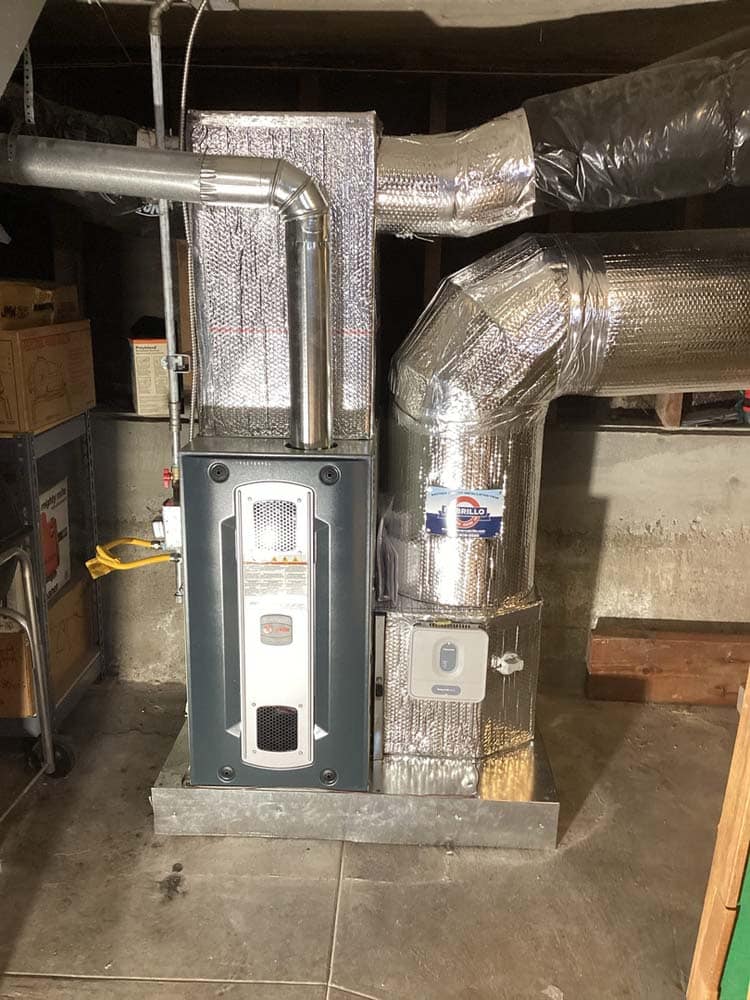
Why Every Bay Area Homeowner Should Understand How a Maintenance Plan Extends Equipment Life
How a maintenance plan extends equipment life is one of the most practical things a homeowner can understand — and one of the most overlooked. Most people don’t think about their HVAC system, water heater, or plumbing until something breaks. By then, the damage is already done, and the repair bill is much larger than it needed to be.
Here’s the short answer:
A maintenance plan extends equipment life by:
- Catching small problems early before they grow into costly failures
- Reducing mechanical stress through regular lubrication, cleaning, and calibration
- Maintaining energy efficiency so systems don’t work harder than they need to
- Protecting manufacturer warranties through documented professional service
- Preventing unplanned breakdowns that accelerate wear on connected components
The numbers back this up. Systematic preventive maintenance can extend equipment life by 20–30%, and well-maintained systems routinely last 20–30 years — while neglected units often fail within 5–10 years. Preventive care can also reduce unplanned downtime by up to 40% and cut overall maintenance costs by 25%.
For homeowners in the San Francisco Bay Area, this matters even more. Older homes in San Francisco, San Mateo, and Belmont often run aging equipment through long cooling seasons, foggy coastal air, and high humidity — conditions that quietly accelerate wear. Without a plan, small issues compound into expensive emergencies.
The sections below walk through exactly how a structured maintenance plan protects your equipment, what it includes, and what Bay Area homeowners specifically need to know to get the most out of their home comfort systems.
How a maintenance plan extends equipment life word list:
Proactive Care vs. Reactive Repairs: The Foundation of Longevity
When it comes to home comfort systems, there are two schools of thought: proactive care and reactive repairs. Reactive repairs—often called the “run-to-fail” approach—mean waiting until your heater stops heating or your pipes start leaking before calling for help.
The problem with reactive repairs is that they ignore the delicate system synergy of modern home equipment. When one component begins to wear down, it does not suffer alone. It forces adjacent parts to work twice as hard to compensate, creating a domino effect of mechanical fatigue. For example, a slightly clogged air filter forces the blower motor to work harder, which causes it to overheat, which eventually burns out the entire electrical circuit.
By the time you notice a complete breakdown, you are not just paying for a single repair; you are paying to fix the collateral damage. Furthermore, emergency service calls often happen at the worst possible times—like during a rare Bay Area heatwave or a chilly winter night in Lafayette or Orinda—leading to unplanned downtime and high stress.
What are the Benefits of Enrolling in HVAC Maintenance Agreements? Enrolling in a structured plan shifts you from a defensive, reactive posture to an offensive, proactive one.
| Feature | Proactive Maintenance Plan | Reactive “Run-to-Fail” Approach |
|---|---|---|
| Equipment Lifespan | Maximized (routinely 20–30 years) | Severely shortened (often failing in 5–10 years) |
| Downtime | Scheduled, minimal, and convenient | Unplanned, stressful, and during peak weather |
| Overall Costs | Predictable, lower long-term expenses | High emergency fees and premature replacement costs |
| System Efficiency | Consistently high (saves up to 40% on energy) | Drops 5–10% annually as components degrade |
| Safety Risks | Caught early during routine checks | Discovered only after a critical hazard or failure |
How a Maintenance Plan Extends Equipment Life Through Stress Reduction
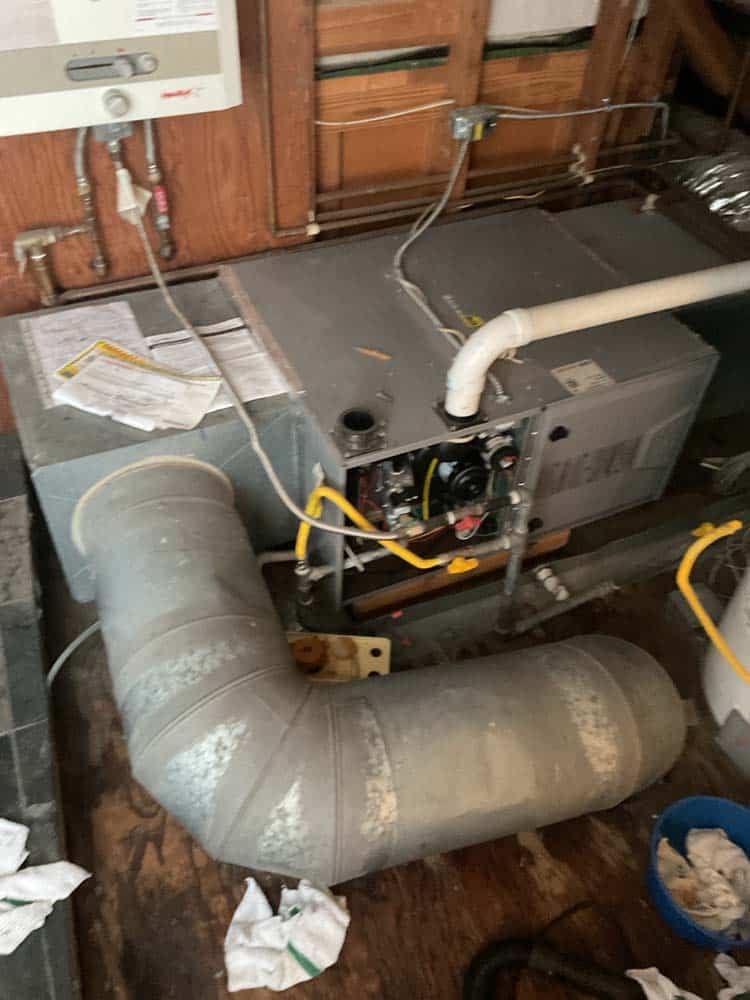
Every machine is subject to the laws of physics. Over time, friction, heat, and vibration wear down even the highest-quality systems. How a maintenance plan extends equipment life comes down to mitigating these physical forces before they cause permanent structural damage.
When moving parts lack proper lubrication, friction increases. Friction generates heat, and heat is the ultimate enemy of motors, compressors, and electrical wiring. A system fighting internal friction has to consume more energy to achieve the same output, which accelerates mechanical stress.
By systematically cleaning, lubricating, and adjusting these components, a maintenance plan keeps the machine operating within its optimal design parameters. Think of it like running a marathon: would you rather run in lightweight, supportive running shoes, or heavy, mud-covered boots? Proactive care ensures your equipment is always running in its “running shoes,” protecting its internal gears from unnecessary fatigue.
To read more about this relationship, check out our guide on how Maintenance Can Extend the Life of Your Equipment.
Early Detection: How a Maintenance Plan Extends Equipment Life
In reliability engineering, there is a concept known as the P-F (Potential-to-Functional Failure) Curve. It shows that before a machine suffers a complete functional failure, it gives off subtle warning signs—potential failures—that are invisible to the untrained eye. These can be minor leaks, slightly loose electrical connections, or microscopic cracks in a heat exchanger.
During a routine maintenance visit, a skilled technician uses specialized tools to look for these early warning signs. Catching a tiny refrigerant leak or a worn capacitor early prevents the compressor from running under-lubricated or short-cycling. A $20 part replacement during a scheduled visit can easily save you from a multi-thousand-dollar system replacement later.
If you are wondering whether this level of detail is truly necessary, explore our breakdown: Annual HVAC Maintenance – Is It Worth It?
Protecting Warranties: How a Maintenance Plan Extends Equipment Life
Many homeowners do not realize that their equipment’s manufacturer warranty comes with strings attached. If you read the fine print of your furnace, air conditioner, or heat pump warranty, you will almost certainly find a clause requiring annual professional maintenance.
If a major component like a compressor or heat exchanger fails within the warranty period, the manufacturer will require proof of maintenance before approving the replacement part. Without documented service records, your warranty could be voided, leaving you to pay for a costly part out of pocket. A maintenance plan serves as an insurance policy for your warranty, keeping your documentation organized and compliant.
Learn more about these protective benefits in our article on the Top 4 Benefits of HVAC Preventive Maintenance.
Essential Components of an Effective Home Maintenance Strategy
An effective maintenance plan is not just a quick visual inspection. It is a comprehensive, multi-point process designed to restore your home systems to peak operating condition. When you look at The Ultimate Homeowner Guide to HVAC Maintenance, you will see that a high-quality strategy must include several non-negotiable tasks:
- Detailed inspections of all safety controls, electrical wiring, and physical structures.
- Deep cleaning of critical heat-exchange surfaces, including coils and burners.
- Mechanical adjustments, such as tightening loose belts and lubricating bearings.
- System calibration to ensure thermostats and safety sensors read accurately.
- Performance testing to verify correct airflow, static pressure, and temperature rises.
Cleaning and Airflow Optimization
Dirt is a silent killer of mechanical systems. In an HVAC system, airborne dust and pet dander accumulate on the evaporator and condenser coils. This layer of grime acts as an insulating blanket, trapping heat and preventing efficient thermal transfer.
When airflow is restricted by dirty coils or clogged filters, your system has to run longer and harder to heat or cool your home. This lack of proper airflow can cause your air conditioner’s coils to freeze or your furnace’s heat exchanger to crack from excessive heat. Regular coil cleaning and filter replacements are essential to keep air moving freely and safely.
For a deeper look into why cleanliness is so vital, read about why Regular Heating and Cooling Maintenance is an Evolutionary Requirement.
Lubrication and Electrical Calibration
Electrical issues are responsible for a massive portion of sudden equipment failures. Over time, the natural expansion and contraction of wires during heating and cooling cycles can loosen electrical connections. Loose connections increase electrical resistance, which generates heat and can melt wires or damage sensitive circuit boards.
Similarly, motors and bearings require consistent lubrication to minimize friction. If a motor runs dry, it draws more amperage, which strains your home’s electrical panel and shortens the motor’s lifespan. During a maintenance visit, checking voltage, tightening terminals, and lubricating moving parts keeps the electrical system safe and efficient.
For practical tips on maximizing these savings, review our Cheat Sheet to Save Money with Maintenance Plans.
Mitigating Bay Area Environmental Factors and Wear
The San Francisco Bay Area is famous for its diverse microclimates. While homeowners in Walnut Creek or Concord might experience hot, dry summers, residents in Pacifica, Half Moon Bay, and San Francisco face cool, damp, foggy conditions. These unique environmental factors play a massive role in how quickly your home equipment degrades.
In coastal communities like San Mateo, Hillsborough, and Burlingame, salt air is a major concern. Salt is highly corrosive and accelerates the chemical breakdown of metal components. Condenser coils exposed to salt air can suffer from pitting corrosion, which eats away at the aluminum fins and can destroy an outdoor unit in as little as 5 to 7 years.
Furthermore, high humidity levels can lead to moisture accumulation in drain pans and condensate lines. Without regular cleaning, this standing water can cause rust, biological growth, and eventual water damage to your ceilings or floors. A localized maintenance plan takes these regional microclimates into account, applying protective measures like coil flushes and drain line treatments to keep the coastal elements at bay.
Frequently Asked Questions About Equipment Longevity
What are the warning signs that my equipment needs immediate maintenance?
While scheduled maintenance is designed to prevent issues, you should call for professional help immediately if you notice any of the following warning signs:
- Unusual noises: Screeching, squealing, rattling, or metal-on-metal grinding sounds indicate worn bearings or loose components.
- Short cycling: If your system turns on and off rapidly without completing a full heating or cooling cycle, it is experiencing severe operational stress.
- Rising utility bills: A sudden spike in your energy consumption without a corresponding change in the weather means your system is losing efficiency.
- Poor airflow: Weak air coming from your vents or uneven temperatures throughout your home indicates a blockage or a failing blower motor.
How often should home comfort systems be professionally serviced?
We recommend a semi-annual maintenance schedule for most Bay Area homes. Ideally, you should have your cooling system serviced in the spring before the summer heat arrives, and your heating system serviced in the fall before the winter chill sets in. If you have a heat pump—which handles both heating and cooling year-round—it should receive professional attention at least twice a year to keep up with the heavy workload.
Can a structured maintenance plan really lower my monthly utility bills?
Yes, absolutely. A well-maintained home comfort system operates at peak energy efficiency, which directly reduces your monthly energy consumption. When coils are clean, filters are fresh, and electrical components are calibrated, the system does not have to run as long to keep your home comfortable. Homeowners who switch from a reactive approach to a structured maintenance plan often see utility savings of up to 40%.
Conclusion
Understanding how a maintenance plan extends equipment life is the key to protecting your home’s most expensive installations. By investing in proactive care, you avoid the stress of sudden breakdowns, lower your monthly utility bills, protect your manufacturer warranties, and add years of reliable service to your systems.
At Cabrillo Plumbing, Heating & Air, we are dedicated to providing our Bay Area neighbors with ultimate peace of mind. Our team proudly serves communities from San Francisco and Daly City down to San Jose and Redwood City. We charge by the job, not by the hour, and we stand behind our work with top-tier warranties.
To give your home comfort systems the care they deserve, explore the Cabrillo Service Agreement today and let us keep your home running smoothly year-round.