
When Is a Mini Split Better Than Central AC? Here’s the Short Answer
When is a mini split better than central AC depends on your home’s specific situation — but here are the most common scenarios where ductless wins:
- No existing ductwork — Installing ducts in an older Bay Area home can cost up to $18,000 and require tearing into walls and ceilings
- Home additions, converted garages, or finished attics — A mini split adds independent cooling without straining your existing system
- Problem rooms — One bedroom that stays too hot no matter what? A mini split solves it without touching the rest of the house
- Energy efficiency goals — Mini splits can reach SEER ratings over 30, compared to roughly 20 for most central AC systems
- Room-by-room temperature control — Each indoor unit runs independently, so you only cool the spaces you’re actually using
- Historic or older homes — Preserving original architecture means avoiding invasive duct installation
If your home already has well-maintained ductwork, central AC may still be the right call. But in many Bay Area homes — especially older ones in San Francisco, Menlo Park, and surrounding neighborhoods — a mini split is simply the smarter, more efficient solution.
Here’s why that matters for your home.
Most Bay Area homeowners have asked some version of this question: should I stick with central air, or is it time to go ductless? It comes up when a system breaks down, when a room addition needs cooling, or when energy bills start climbing every summer. The honest answer is that there’s no single right system — but there are clear situations where a ductless mini split outperforms central AC by a wide margin. Understanding those situations can save you money, preserve your home’s structure, and give you better comfort year-round.
Quick look at when is a mini split better than central ac:
- central air vs mini split for the san francisco bay area homes
- mini split vs central ac cost comparison
Understanding the Core Differences: Ductless vs. Duoted Systems

To understand when is a mini split better than central ac, it helps to look at how both systems move air.
Central air conditioning relies on a single outdoor condenser and a large indoor air handler. This system uses a network of hidden ducts to push conditioned air throughout your entire home. It is designed to treat your whole house as one single zone, blowing air until the central thermostat is satisfied.
A ductless mini split operates on a different logic. It still uses an outdoor compressor, but instead of a central blower and ductwork, it connects directly to individual indoor air-handling units (often called “heads”) mounted on your walls, floors, or ceilings. A small conduit containing refrigerant lines, suction tubing, and power cables connects the outdoor unit to these indoor heads.
| Feature | Ductless Mini Split | Central Air Conditioning |
|---|---|---|
| Ductwork Required | No | Yes |
| Max Efficiency (SEER) | Over 30 SEER | Typically up to 20–22 SEER |
| Average Duct Energy Loss | 0% (Ductless) | 20% to 30% (EPA Estimate) |
| Zoning Control | Built-in (Room-by-room) | Requires complex dampers/add-ons |
| Installation Disruption | Minimal (3-inch wall hole) | High (if installing new ducts) |
| Primary Heating Option | Yes (Built-in heat pump) | Requires separate furnace or heat pump |
Because of these design differences, choosing between them isn’t about finding which system is universally “better.” It’s about looking at your home’s layout and deciding which tool fits the job. For a deeper dive into this comparison, check out our Mini Split vs Central Air: The Complete Guide.
When Is a Mini Split Better Than Central AC for Your Home?
Your home’s layout, age, and existing structure are the ultimate deciding factors. While central air is highly effective for modern homes with pre-installed, well-insulated ductwork, older properties or unique layouts present challenges that central systems simply aren’t built to solve.
If you are looking to preserve the architectural integrity of a classic home or need flexible placement options, a mini split is often the superior choice. For local homeowners, scheduling a professional Ductless Mini Split Installation San Francisco CA can provide a seamless transition to targeted comfort without compromising your home’s historic charm.
When Is a Mini Split Better Than Central AC for Homes Without Existing Ductwork?
Many historic homes across the Bay Area—especially in neighborhoods like San Francisco, Oakland, and Berkeley—rely on radiator or baseboard heating and have never had ductwork.
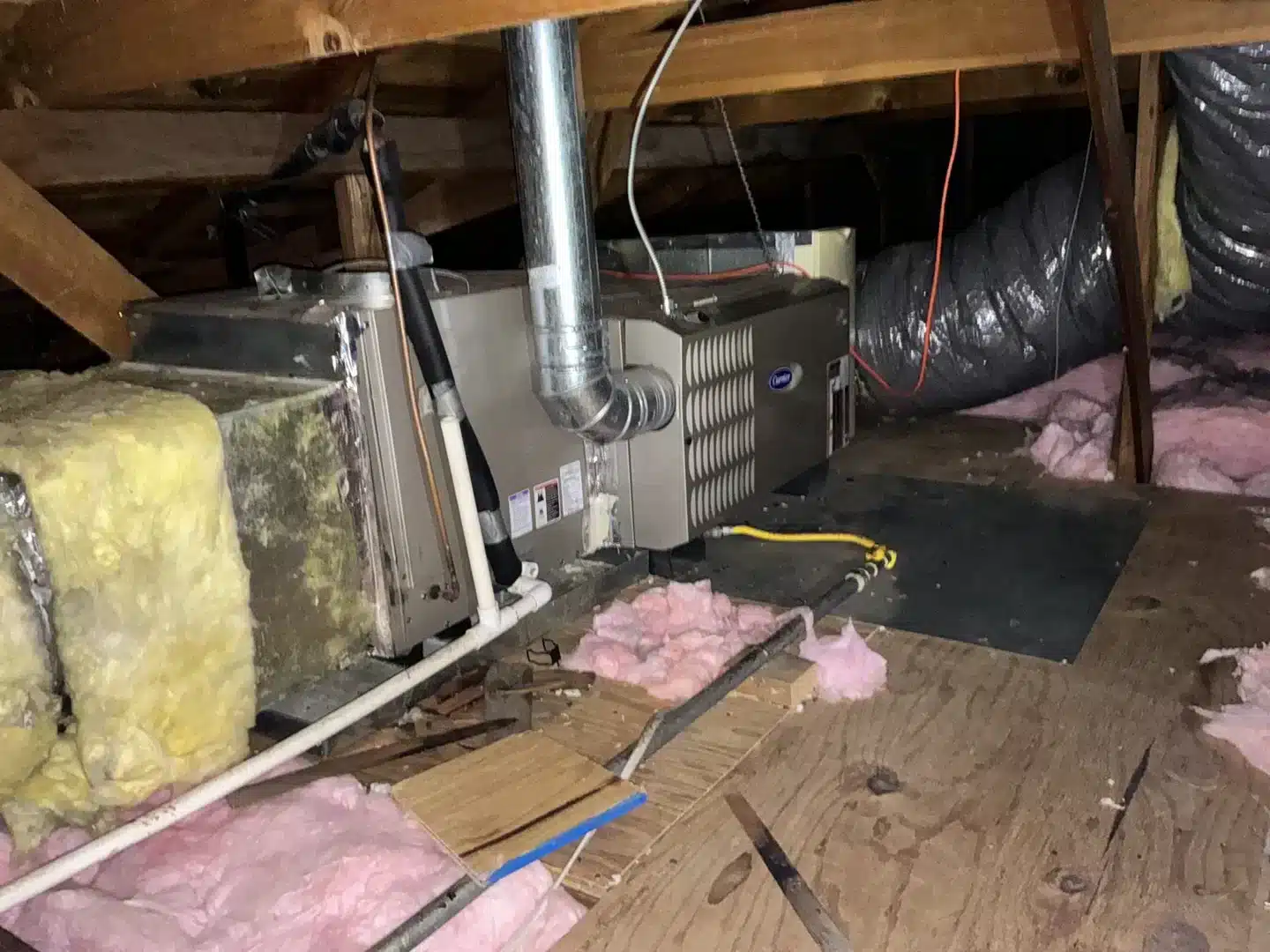
Retrofitting a central AC system into a home without ducts is a massive undertaking. It requires cutting into lath-and-plaster walls, dropping ceilings to build bulkheads, and sacrificing precious closet space to run bulky metal ducts.
A mini split bypasses this invasive construction completely. Installing a multi-zone ductless system requires only a small three-inch hole in the exterior wall for the refrigerant lines. This keeps your walls intact, preserves your home’s architectural character, and avoids the dust and debris of a major remodel. If your home lacks a duct network, booking a Ductless Mini Split Installation Oakland CA is the cleanest, least invasive path to modern home comfort.
When Is a Mini Split Better Than Central AC for Additions and Problem Rooms?
Have you recently converted your garage in San Jose into a home office? Or maybe you finished your attic in San Mateo, only to realize it feels like a sauna in the summer?
These are classic “problem rooms.” Extending your existing central AC system to cover a new home addition or a converted space is rarely a good idea. Central AC systems are sized specifically for your home’s original square footage. Asking your central unit to cool an extra room can overload the compressor, leading to premature system failure and uneven cooling.
A ductless mini split operates as an independent zone. It handles the cooling load of that specific room without putting any stress on your main HVAC system. This independent operation makes it perfect for spaces that have different heating and cooling needs than the rest of the house. To learn more about how to resolve these comfort issues, read about the 3 Situations That Could Benefit from Zoned Heating and Cooling.
Comparing Efficiency, Zoning, and Performance
When we look at monthly operating costs and day-to-day comfort, the differences between these two systems become even clearer. Ductless systems excel in energy conservation and precise temperature management.
Energy Efficiency and SEER Ratings
According to the U.S. Environmental Protection Agency (EPA) and the U.S. Department of Energy’s Energy Star program, ducted central air systems can lose 20% to 30% of their cooling capability through leaks, cracks, and poor insulation in the ductwork. If your ducts run through a hot attic or crawl space, that energy loss can be even higher.
Mini splits eliminate duct loss completely because they deliver conditioned air directly into the room. Additionally, mini splits utilize advanced inverter technology. While traditional central AC units cycle hard on and off—consuming a massive amount of energy every time they start up—variable-speed inverter compressors in mini splits ramp up or down smoothly to match the exact cooling demand. This allows mini splits to achieve SEER ratings well over 30, whereas standard central AC units typically top out around 20 SEER.
For Bay Area microclimates, where temperatures can shift rapidly from sunny to chilly within a few miles, this efficiency is incredibly valuable. You can read more about managing these unique weather patterns in The Best HVAC Options for San Francisco Microclimates: A Local Guide.
Zoning and Room-by-Room Temperature Control
Central air conditioners use a single thermostat to control the temperature of your entire home. This often leads to “thermostat wars,” where the upstairs bedrooms are too hot, but the downstairs living room is freezing.
Mini splits offer built-in, true zoning. Each indoor head has its own thermostat and fan control. This means you can customize the temperature room by room.
Key benefits of zoned cooling include:
- Occupancy-based savings: You can turn off the cooling in guest rooms or empty living areas during the day and only cool the master bedroom at night.
- Personalized comfort: Everyone in the house can set their preferred temperature in their own room.
- Reduced wear and tear: By cooling only the active areas of your home, you reduce the workload on your outdoor compressor.
To see how much a zoned setup can impact your utility bills, check out our guide: Will a Mini Split Save You More Than Central Air?. For a deeper understanding of how zoning technology works, read HVAC Zoning Gives You Complete Control Over Temperatures in Your Home.
Climate Performance and Humidity Control
In coastal areas like Pacifica or Half Moon Bay, indoor humidity can make your home feel colder and damper than it actually is. In warmer spots like San Jose, summer afternoons require steady, reliable cooling.
Because mini splits run on variable-speed compressors, they tend to run for longer, gentler cycles rather than short, powerful bursts. This continuous, low-speed operation gives the indoor coil more time to pull moisture out of the air, providing superior dehumidification. Additionally, because most mini splits are heat pumps, they provide highly efficient heating during damp Bay Area winters. If you are ready to upgrade your home’s climate control, consider a professional Ductless Mini Split Installation San Jose CA.
Frequently Asked Questions About Ductless Cooling
Can you replace central AC with a mini split?
Yes, you can absolutely replace a central AC system with a whole-home mini split system. Many homeowners choose to retire their old, dusty ductwork entirely when their central system reaches the end of its lifespan. By installing a multi-zone mini split system, you can enjoy room-by-room control and eliminate the energy losses associated with aging ducts.
How often do mini split filters need to be cleaned?
To maintain optimal indoor air quality and system efficiency, you should check and rinse your mini split’s washable mesh filters every two to four weeks. This is a simple five-minute task that you can do in your sink. Neglecting filter maintenance can restrict airflow, reduce efficiency, and eventually lead to system issues. If your system isn’t cooling properly due to restricted airflow, you may need a professional Ductless Mini Split Repair San Francisco CA. For more tips on keeping your system running smoothly, read What Can Annual Air Conditioner Preventive Maintenance Do for Your Cooling System?.
When should homeowners consider a hybrid HVAC setup?
A hybrid setup—using both central AC and a mini split—is an excellent option if your central system is still in good shape but struggle to cool specific areas. For instance, you can keep your central system running to cool the main floor of your home, while installing a single-zone mini split to handle a stubborn upstairs attic bedroom or home office. This allows you to solve localized comfort issues without paying to replace your entire home’s HVAC system.
Conclusion
Deciding when is a mini split better than central ac ultimately comes down to your home’s physical structure and your personal comfort goals. If your home has healthy, pre-existing ductwork and you prefer a system that is completely hidden from view, central air remains an excellent, highly reliable option.
However, if you live in an older Bay Area home without ducts, want to eliminate the energy waste of leaky duct systems, or need to resolve hot and cold spots in specific rooms, a ductless mini split is the clear winner.
At Cabrillo Plumbing, Heating and Cooling, we have been helping Bay Area homeowners find the perfect home comfort solutions since 1961. Whether you are in San Francisco, Menlo Park, Belmont, or San Mateo, our licensed, certified technicians are here to help you design, install, and maintain the perfect system for your home.
Ready to experience the quiet, energy-efficient comfort of a ductless system? Schedule professional air conditioning service with Cabrillo today, and let us help you find the perfect fit for your home!