
Why Your AC Not Cooling Properly Is the First Thing to Check This Season
If your ac not cooling properly what to check list feels overwhelming, here’s a quick answer before we dive in:
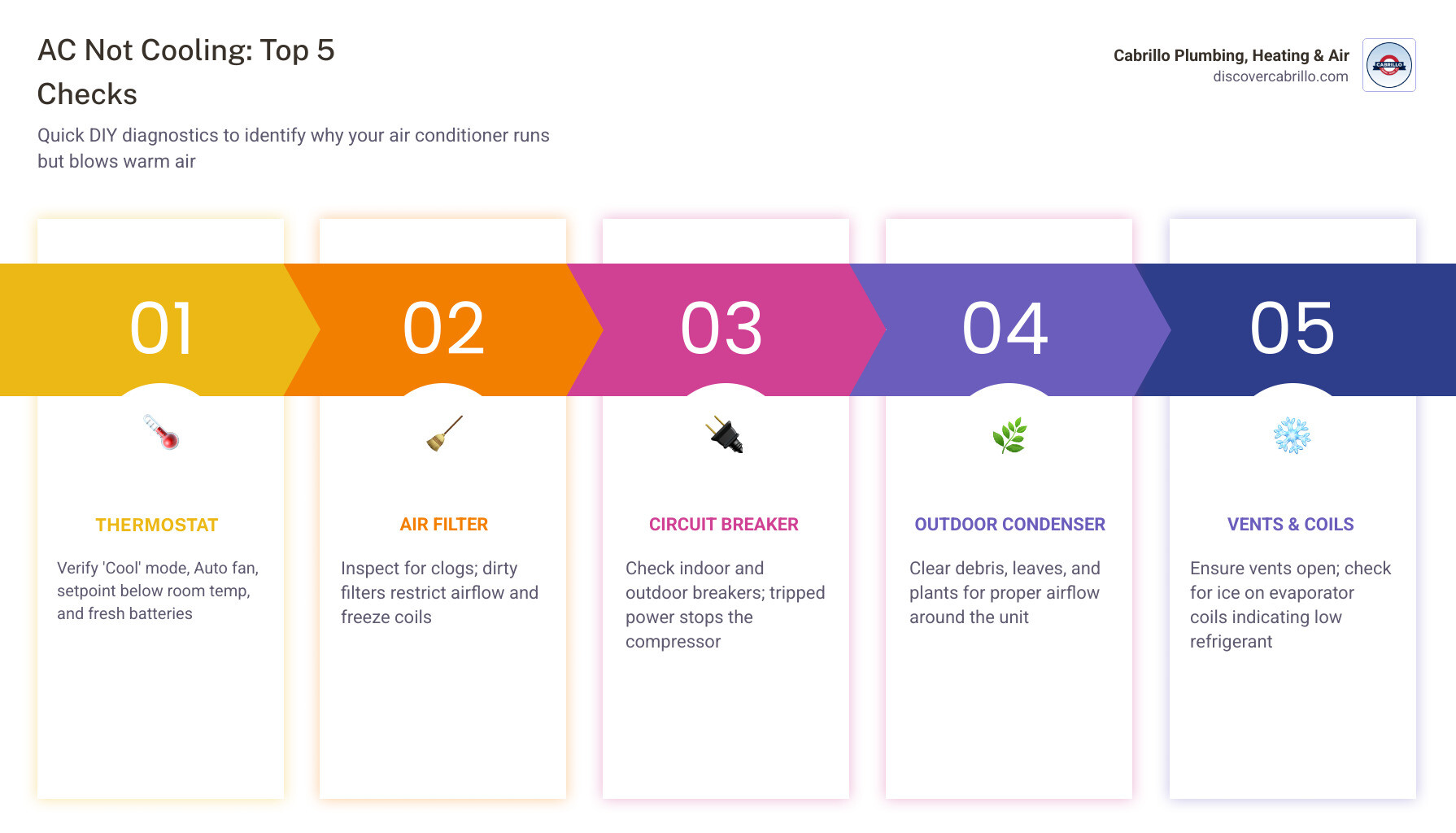
Quick Checks When Your AC Isn’t Cooling:
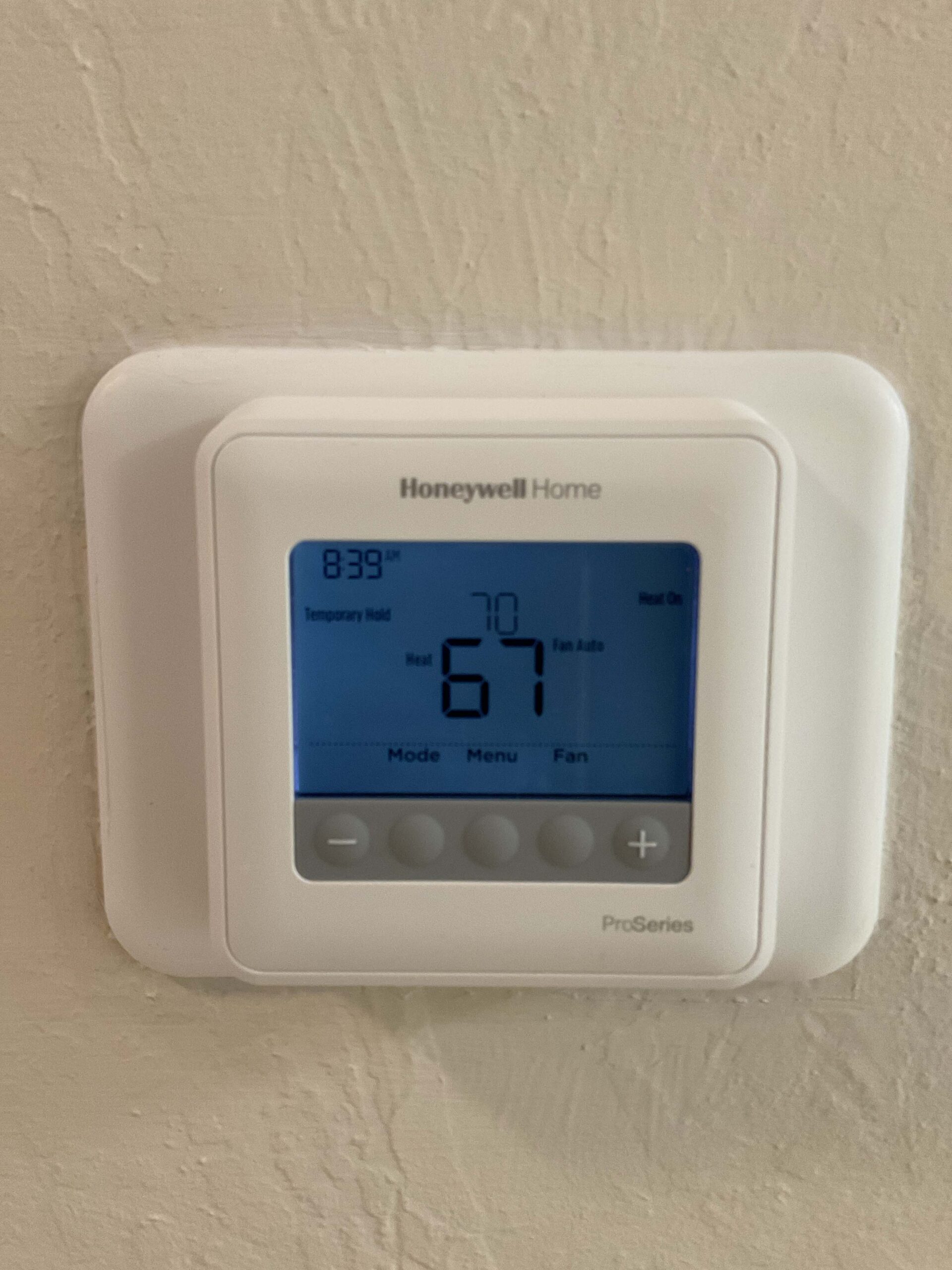
- Thermostat – Make sure it’s set to “Cool” mode (not “Fan”), and the setpoint is below the current room temperature
- Air filter – A clogged filter blocks airflow and can freeze your coils
- Circuit breaker – A tripped breaker can shut down the outdoor unit silently
- Outdoor condenser – Check for leaves, debris, or overgrown plants blocking airflow around the unit
- Vents and registers – Make sure none are closed or blocked by furniture
- Refrigerant lines – The insulated copper pipe near the outdoor unit should feel cold and show light condensation
- Evaporator coils – Ice buildup on the indoor unit means something is restricting airflow or refrigerant is low
Picture this: it’s a warm Bay Area afternoon in April 2026, and you notice your home feels stuffy. You check the vent — the air is barely cool. The AC is running, the fan is spinning, but the temperature just won’t drop. Sound familiar? You’re not alone.
This is one of the most common calls we receive here at Cabrillo Plumbing, Heating & Air across San Francisco and the greater Bay Area. The good news? Many AC cooling failures have simple causes a homeowner can spot themselves in under 15 minutes. The not-so-good news? Some require a professional to fix safely and correctly.
This guide walks you through both — starting with the easiest checks and moving toward the more complex ones — so you can diagnose the problem fast and get your home comfortable again.
DIY Checklist: AC Not Cooling Properly What to Check First
When your home starts feeling more like a sauna than a sanctuary, the first step is to stay calm and follow a logical path. Before you assume the worst, we recommend looking at the “invisible” power issues that often mimic a mechanical failure.
One of the most frequent reasons we see for an ac not cooling properly what to check scenario is a simple power interruption. Your central air system consists of two main parts: the indoor air handler (or furnace) and the outdoor condenser. These often run on separate circuit breakers. If the outdoor breaker trips, your indoor fan will still blow air through your vents, but it won’t be cold because the compressor—the heart of the cooling process—is sitting idle.
Go to your electrical panel and look for switches labeled “AC” or “Air Conditioner.” Even if they don’t look tripped, flip them all the way to “Off” and then back to “On.” While you’re at it, check the outdoor disconnect switch located in a small box near your condenser unit. Sometimes these can be accidentally flipped or even tampered with by curious neighborhood critters.
If the power is fine but the system is working overtime without results, you might be wondering Why is my air conditioner running constantly? 7 possible reasons. Often, the system is simply struggling against a minor obstacle that’s easy to clear.
Thermostat Settings: AC Not Cooling Properly What to Check
It sounds almost too simple, but you would be surprised how many service calls in San Mateo or Oakland end with just a few clicks on the thermostat. Modern smart thermostats are wonderful, but they can be tricky.
First, verify that the system is actually in “Cool” mode. If it’s set to “Heat” or “Off,” the fan might still run if the “Fan” setting is set to “On” rather than “Auto.” When the fan is “On,” it circulates room-temperature air regardless of whether the cooling cycle is active. This can lead to the confusing sensation of air moving but no temperature drop.
Also, check your setpoint. To trigger the cooling, the temperature you select must be at least a few degrees lower than the current room temperature displayed on the screen. If your thermostat uses batteries, a low-battery signal can sometimes cause the internal relays to fail, meaning the thermostat thinks it’s sending a signal to the AC, but the signal never reaches the unit.
| Feature | Correct Configuration for Cooling | Incorrect Configuration (Problematic) |
|---|---|---|
| System Mode | Cool | Heat, Off, or Emergency Heat |
| Fan Setting | Auto (runs only when cooling) | On (circulates air constantly) |
| Setpoint | 2-5 degrees below room temp | Above or equal to room temp |
| Display | “Cool On” (Solid) | “Cool On” (Blinking/Waiting) or Blank |
Air Filter Maintenance: AC Not Cooling Properly What to Check
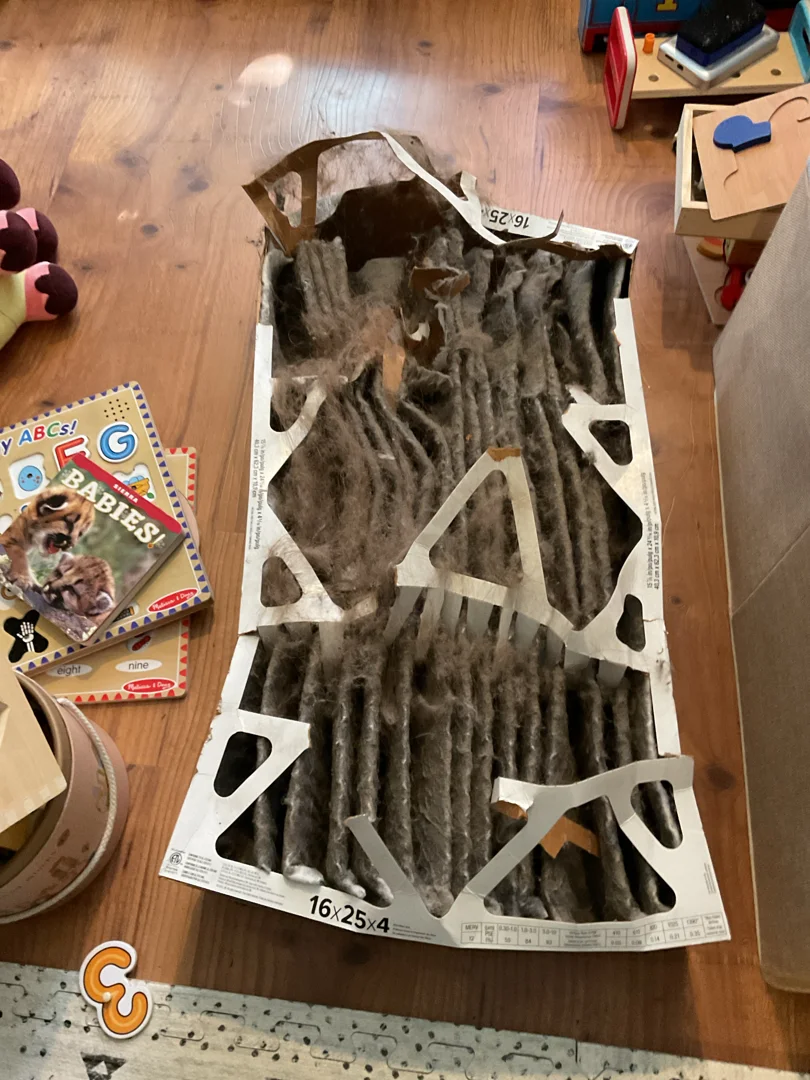
If we had to name the number one “AC killer” in the Bay Area, it would be the dirty air filter. A clogged filter is the root cause of dozens of secondary problems, from frozen coils to burnt-out blower motors.
When the filter is packed with dust, pet hair, and debris, the blower fan has to work twice as hard to pull air through. This restriction reduces the volume of air passing over the cold evaporator coils. Without enough warm air to “soak up” the cold, the coils can actually drop below freezing, causing condensation to turn into a block of ice. Once that ice forms, no air can get through at all, and your AC effectively stops cooling.
Knowing what you need to know about your central air conditioner filter is vital for every homeowner. We recommend checking your filter every 30 days, especially if you have pets or live in areas like Concord or Walnut Creek where seasonal pollen can be heavy. There are 4 common symptoms of a clogged air filter to watch for, including dusty vents and rising energy bills.
Inspecting the Outdoor Condenser and Fan Motor
Once you’ve cleared the indoor hurdles, it’s time to head outside. The outdoor unit, or condenser, is responsible for releasing the heat collected from inside your home into the outside air. If this unit can’t “breathe,” your house won’t get cool.
Take a look around the unit. Is it surrounded by tall grass, weeds, or shrubs? In the Bay Area, April is a time of rapid growth, and it’s easy for landscaping to crowd the AC. There should be at least two feet of clear space around the entire unit to allow for proper heat exchange.
Next, look at the “fins”—those tiny metal slats on the sides of the unit. These act like a radiator. If they are clogged with dirt, spider webs, or grass clippings from the lawnmower, the system loses efficiency rapidly. You can gently clean these yourself using a garden hose. Use a low-pressure spray; high-pressure washers can bend the delicate fins and cause permanent damage.
While you’re out there, observe the large fan on top of the unit. It should be spinning rapidly and blowing warm air out of the top. If the fan isn’t moving, or if it’s humming but not spinning, you might have a failed capacitor or a broken fan motor. If the air coming out of the top is cool or room temperature while the system is running, that’s a major red flag that the heat transfer process isn’t happening. There are 5 factors that can affect air conditioner efficiency, and a dirty outdoor coil is high on that list.
Troubleshooting Airflow and Ductwork Issues
Sometimes the AC is working perfectly, but the cold air just isn’t reaching you. This usually comes down to airflow management or ductwork integrity.
Start by walking through every room in your house. Are the supply vents (the ones air blows out of) open? A common myth is that closing vents in unused rooms saves money. In reality, this increases the pressure inside your ductwork, which can lead to leaks and actually make your AC work harder and less efficiently. Ensure all registers are open and not blocked by rugs, curtains, or furniture.
In older Bay Area homes, especially in places like San Francisco or Berkeley, ductwork can be a weak point. Over time, ducts can pull apart or develop holes. If you have a leak in a duct running through a crawl space or attic, you might be paying to cool the squirrels instead of your bedroom!
One tell-tale sign of DIY duct repair gone wrong is the presence of actual “duct tape.” Ironically, standard silver duct tape is terrible for sealing ducts; it dries out and falls off within a year or two. Professional duct sealing requires specialized mastic or foil tape. If you’re looking for 5 ways to improve air conditioner airflow in your Bay Area home, checking for these disconnected pipes is a great place to start. If your system is struggling, it’s worth asking: Is a dirty air filter hindering the performance of your furnace? because the blower motor in your furnace is what moves the air for your AC, too.
Advanced Diagnostics: Refrigerant and Coils
If you’ve checked the power, the thermostat, the filter, and the outdoor unit, and you’re still sweating, we’re moving into “Advanced” territory. This is where we look at the refrigerant—the “blood” of your AC system.
A common misconception is that AC units “use up” refrigerant like a car uses gas. In a healthy system, refrigerant is recycled in a closed loop and never needs to be topped off. If your refrigerant is low, it means you have a leak.
Signs of a Refrigerant Leak:
- Hissing or Bubbling Noises: This is the sound of pressurized gas escaping through a tiny hole.
- Ice on the Lines: Low refrigerant levels cause the pressure to drop, which makes the evaporator coil get much colder than it should, eventually turning into a block of ice.
- High Humidity: Since the AC isn’t reaching its “sweet spot” temperature, it can’t effectively pull moisture out of the air.
You can perform a “Temperature Differential Test” to see how well the system is performing. Use a standard thermometer to measure the air temperature at a return vent (where air goes in) and a supply vent (where air comes out). A healthy AC should show a drop of 16 to 20 degrees. If the difference is less than 16 degrees, your system is likely struggling with a leak or a failing compressor.
Curious about how these issues start? How does an air conditioner refrigerant leak develop and how can it be fixed? is a deep dive into the chemistry of your cooling. Also, keep an ear out for air conditioner noises: what is your system trying to say to you? because a grinding or squealing sound often precedes a total cooling failure.
Frequently Asked Questions about AC Cooling Issues
Why is my AC running but the house temperature isn’t dropping?
This is often due to a “split” failure. Your indoor fan is working, but the outdoor unit isn’t. This could be a tripped breaker, a failed capacitor, or a dead compressor. It can also happen if the unit is undersized for the home or if the outdoor coils are so dirty that heat exchange is impossible. To avoid these surprises, many homeowners find what are the benefits of enrolling in HVAC maintenance agreements? include catching these small electrical issues before they stop the cooling entirely.
Should I turn off my AC if it is not blowing cold air?
Yes. If your AC is running but not cooling, turn it off at the thermostat immediately. If the issue is a frozen coil, continuing to run the AC can damage the compressor—the most expensive part of the system. Turning it off allows the ice to melt (which can take up to 24 hours). If your system is old and frequently failing, it might be one of the 6 signs it’s time for an air conditioner replacement rather than another repair.
How can I tell if my AC refrigerant is low?
Aside from the ice and hissing mentioned earlier, look at the thick copper pipe entering your outdoor unit. It should be “cold and sweating” (covered in condensation). If it’s bone-dry or room temperature, the refrigerant is likely gone. For Bay Area air conditioning service: what you should know, handling refrigerant requires a federal EPA certification—this is never a DIY job.
Conclusion
Navigating an ac not cooling properly what to check list doesn’t have to be a nightmare. By starting with the basics—power, thermostat, and filters—you can often solve the problem yourself and get back to enjoying your day. However, when the issues involve electrical components, refrigerant leaks, or frozen coils, it’s time to call in the experts.
At Cabrillo Plumbing, Heating & Air, we’ve been the Bay Area’s trusted comfort partners since 1961. Whether you’re in San Francisco, Menlo Park, or Walnut Creek, our licensed technicians are ready to provide transparent, by-the-job pricing to get your system back in peak condition.
Don’t wait for a heatwave to find out your system is struggling. The best way to ensure your home stays cool all summer long is through proactive Air Conditioning Maintenance. We’ll check the refrigerant levels, clean the coils, and test the electrical components so you can breathe easy.
Is your AC still blowing warm air? Give us a call today, and let’s get your home back to the perfect temperature!