Is Your HVAC Getting the Attention It Needs?
How often should you service your hvac is one of the most common questions Bay Area homeowners ask — and the short answer is: at least once a year, but twice a year is the standard most experts recommend.
Here’s a quick breakdown by system type:
| System Type | Recommended Service Frequency |
|---|---|
| Central AC | Once a year (spring) |
| Gas furnace | Once a year (fall) |
| Heat pump | Twice a year (spring and fall) |
| Older system (10+ years) | Every 6 months minimum |
| Homes with pets or allergies | Every 6 months |
Most homeowners only think about their HVAC system when something goes wrong. But waiting for a breakdown usually means paying more — emergency repairs can run significantly higher than a routine tune-up, and 85% of HVAC repairs are linked directly to a lack of regular maintenance.
For Bay Area homes, where coastal air, wildfire smoke, and year-round mild temperatures create unique demands on heating and cooling systems, staying on a consistent service schedule isn’t just smart — it’s essential for keeping your home comfortable and your energy bills in check.
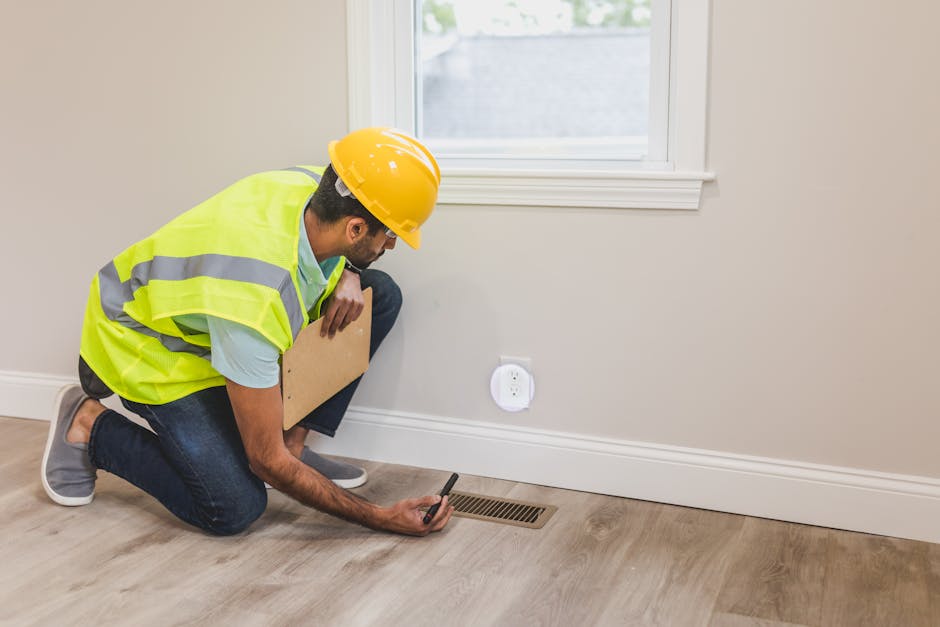
I’m wondering how often should you service your hvac to keep my home comfortable?
At Cabrillo, we’ve been serving the San Francisco Bay Area since 1961, and if there is one thing we’ve learned, it’s that timing is everything. While many people think of their HVAC as a single unit, it’s actually a team of components working in relay. To keep that team winning, the “gold standard” is a bi-annual service schedule.
Ideally, you should schedule Air Conditioning Maintenance in the spring (March to May) and Heating Maintenance in the fall (September to November). By servicing your cooling system before the first heat wave and your furnace before the first winter chill, you ensure the equipment is prepared for peak performance when you need it most.
Think of it like a professional athlete’s pre-season physical; you want to catch the “pulled muscles” (like worn fan belts or loose electrical connections) before the big game starts. This proactive approach identifies and corrects issues that prevent 70-80% of all HVAC breakdowns.
How often should you service your hvac heat pump for year-round efficiency?
If your home uses a heat pump, your maintenance schedule looks a little different. Because heat pumps provide both heating and cooling, they don’t get a “seasonal break” like a dedicated furnace or AC unit. They are the marathon runners of the HVAC world, operating nearly year-round.
Because of this continuous operation, we recommend servicing heat pump systems every six months without fail. During these visits, we pay special attention to the defrost cycles and supplemental heating elements. Since these units accumulate more operating hours in a single year than a traditional split system, skipping a visit can lead to rapid efficiency loss. For a deeper dive into these requirements, check out The Ultimate Homeowner Guide to HVAC Maintenance.
How often should you service your hvac when the system is over 10 years old?
As of May 2026, many homes in areas like Palo Alto and San Mateo are running systems that are reaching their double-digit birthdays. Once an HVAC system crosses the 10-year mark, it enters its “senior years.” Component wear becomes more frequent, and the risk of efficiency loss increases.
For systems over 10 or 11 years old, we often suggest moving toward quarterly professional check-ups. This is especially true if you are trying to postpone a full replacement. Consistent care can be the difference between a system that fails at 12 years and one that lasts 20+ years. As we highlight in our guide on how Maintenance Can Extend the Life of Your Equipment, regular attention keeps older parts lubricated and calibrated, preventing the “domino effect” where one small failure leads to a catastrophic breakdown.
Why San Francisco Bay Area homes require a seasonal approach
Living in the Bay Area is beautiful, but our geography throws some unique curveballs at your HVAC system. Whether you are in coastal Pacifica or inland Walnut Creek, the environment dictates how often should you service your hvac.
Regular Heating and Cooling Maintenance is an Evolutionary Requirement because of the specific stressors in our region. For example, homes near the coast deal with salt air, which can accelerate corrosion on outdoor condenser coils. Meanwhile, our “shoulder seasons” can be unpredictable, leading to systems that “short cycle” (turning on and off rapidly), which puts immense strain on the compressor and motor.
Environmental factors affecting service frequency
Beyond the weather, several lifestyle and environmental factors might mean you need to call us more often than the average homeowner:
- Pet Dander: If you have furry family members, your system is likely inhaling a lot of hair and dander. This clogs coils and filters faster, necessitating more frequent cleanings to maintain indoor air quality.
- Renovation Dust: If you’ve recently remodeled your kitchen in Burlingame or added a room in Menlo Park, drywall dust has likely settled in your ducts. This dust is abrasive and can damage internal components if not cleaned out promptly.
- Wildfire Smoke: In recent years, smoke has become a concern for Bay Area air quality. After a heavy smoke event, your filters and even your internal coils may need an immediate check-up to ensure they aren’t bogged down by fine particulate matter.
The hidden benefits of routine professional tune-ups
The most immediate benefit of regular service is one you’ll see in your mailbox: lower utility bills. A well-tuned HVAC system can use 10-30% less energy than a neglected one. In fact, simply cleaning dirty coils can improve cooling efficiency by up to 40%.
| Feature | Maintained System | Neglected System |
|---|---|---|
| Energy Usage | 10-30% Lower | Standard or Increasing |
| Repair Frequency | 85% fewer breakdowns | High risk of emergency calls |
| Air Quality | High (filtered/clean) | Low (dust/allergen buildup) |
| Lifespan | 15–20+ Years | 10–12 Years |
| ROI | $3-$6 saved per $1 spent | Constant financial drain |
As we discuss in the Top 4 Benefits of HVAC Preventive Maintenance, the return on investment for maintenance is staggering. Every dollar you spend on a tune-up can save you between $3 and $6 in long-term repair and energy costs.
Protecting your investment and home safety
Maintenance isn’t just about comfort; it’s about safety. During a fall furnace tune-up, our technicians perform critical safety checks on the heat exchanger. A cracked heat exchanger can leak carbon monoxide — a colorless, odorless, and deadly gas — into your home.
We also inspect electrical connections. Loose wires are a leading cause of HVAC fires and system “fried” boards. By tightening these connections and testing safety controls, we ensure your home remains a safe haven for your family.
Essential maintenance tasks and homeowner FAQs
A professional tune-up is comprehensive. It includes cleaning the condenser and evaporator coils, checking refrigerant levels (which should never be “low” unless there is a leak), calibrating the thermostat, and inspecting the ductwork for leaks. Fixing duct leaks alone can improve your system’s efficiency by about 20%.
If you haven’t had a pro look at your system recently, Now’s a Great Time to Schedule Your Annual Furnace Maintenance With Cabrillo or It’s Time to Schedule Your Annual Air Conditioner Maintenance Appointment With Cabrillo.
Can skipping professional service void my manufacturer’s warranty?
This is a point many homeowners miss: Yes, skipping professional service can void your warranty. Most major manufacturers require proof of annual professional maintenance to honor parts warranties. If a major component like a compressor fails, and you cannot provide service records, you could be stuck with a bill that would have otherwise been covered. Regular servicing is your legal and financial protection.
What are the warning signs that I need service before my scheduled visit?
Sometimes your system tells you it’s struggling before its scheduled check-up. Watch out for:
- Strange Noises: Banging, squealing, or rattling often points to loose belts or failing bearings.
- Weak Airflow: This could mean a clogged filter or a failing blower motor.
- Short Cycling: If the unit turns on and off every few minutes, it’s working too hard and could overheat.
- Bill Spikes: An unexplained jump in your energy bill is a classic sign of a system losing its efficiency.
How often should I change my air filters between professional visits?
While we handle the big stuff, filter changes are the most important DIY task for a homeowner. You should check your filter every month. If you have pets or allergies, change it every 30 days. At a minimum, never go longer than 3 months. Clogged filters can raise energy bills by 5-15% and are the primary cause of system overheating. A simple trick is to hold your filter up to a light; if you can’t see light through it, it’s time for a new one.
Conclusion
Determining how often should you service your hvac doesn’t have to be a guessing game. By sticking to a bi-annual schedule — spring for AC and fall for heating — you protect your wallet, your comfort, and your family’s safety.
At Cabrillo Plumbing, Heating & Air, we make this easy. We’ve served the Bay Area for over six decades with a commitment to transparent, upfront pricing by the job, not the hour. Whether you are in San Francisco, Menlo Park, or Walnut Creek, our expert technicians are ready to ensure your system is running at its absolute best.
Want to take the guesswork out of maintenance entirely? Learn What Are the Benefits of Enrolling in HVAC Maintenance Agreements? to see how our annual programs can provide priority service and peace of mind.
Schedule your professional HVAC tune-up in San Francisco today and let us help you keep your home happy and efficient!