
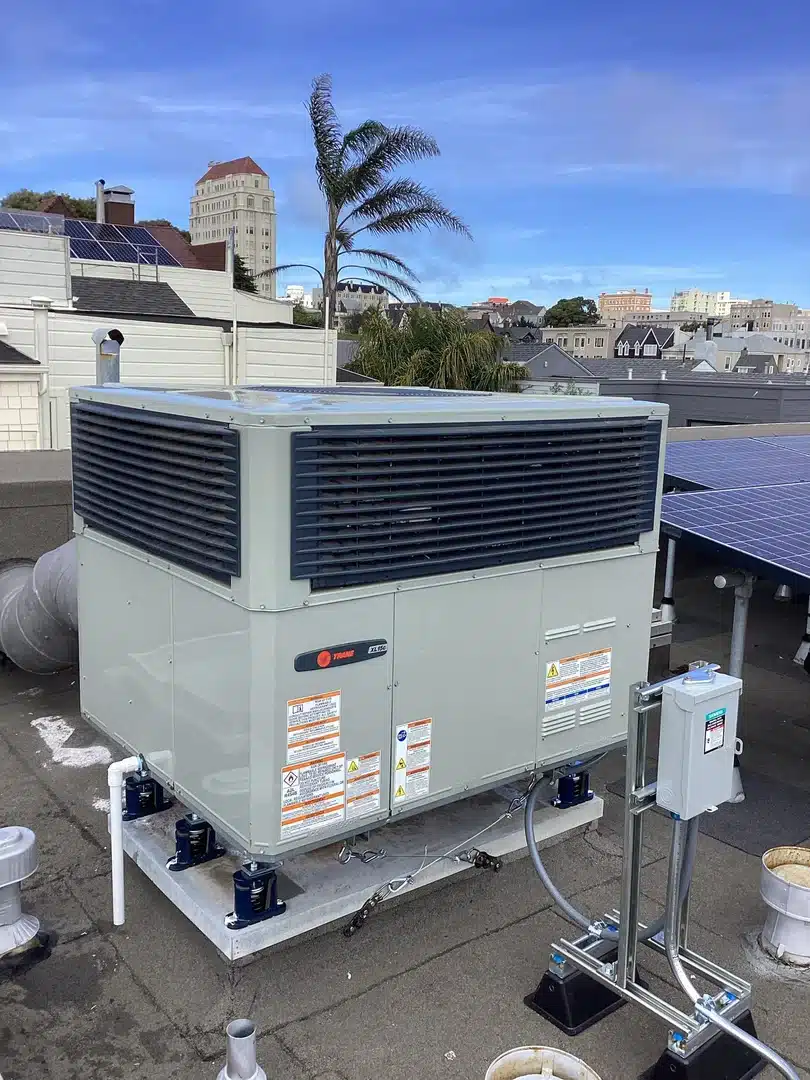
Why the Best HVAC and Plumbing Setup for Bay Area Weather Is More Complex Than You Think
Finding the best HVAC and plumbing setup for Bay Area weather isn’t a one-size-fits-all answer — but here’s a quick summary to guide your decision:
Quick Answer: Top System Recommendations by Zone
| Bay Area Zone | Best HVAC Setup | Key Plumbing Consideration |
|---|---|---|
| Coastal SF / Marin | Heat pump or ductless mini-split | Tankless water heater; corrosion-resistant fixtures |
| Peninsula / South Bay | Heat pump with zoning | Leak detection; low-flow upgrades |
| Inland East Bay / Tri-Valley | Dual fuel system (heat pump + gas backup) or high-SEER2 central AC | Pipe insulation; slab leak prevention |
| North Bay | Ductless mini-split or heat pump | Tankless or heat pump water heater |
The Bay Area isn’t one climate — it’s dozens. On any given day in May 2026, San Francisco might sit under a cool marine layer at 60°F while Walnut Creek pushes past 90°F just 30 miles inland. That gap isn’t just uncomfortable — it puts serious stress on your home’s heating, cooling, and plumbing systems in ways that most generic advice simply doesn’t account for.
Older homes in San Francisco face different challenges than newer builds in San Jose. A coastal property in Pacifica deals with salt air corrosion eating away at HVAC coils. A home in the Tri-Valley can experience temperature swings of up to 40 degrees between morning and evening — causing short-cycling, premature system wear, and pipe stress from constant thermal expansion and contraction. And throughout the entire region, wildfire smoke, clay-rich soils, and shifting California energy codes add even more variables to the equation.
This guide breaks down exactly what Bay Area homeowners need to know — by zone, by system type, and by season — so you can make smart decisions about your home’s comfort, efficiency, and long-term reliability.
How Microclimates Influence the Best HVAC and Plumbing Setup for Bay Area Weather
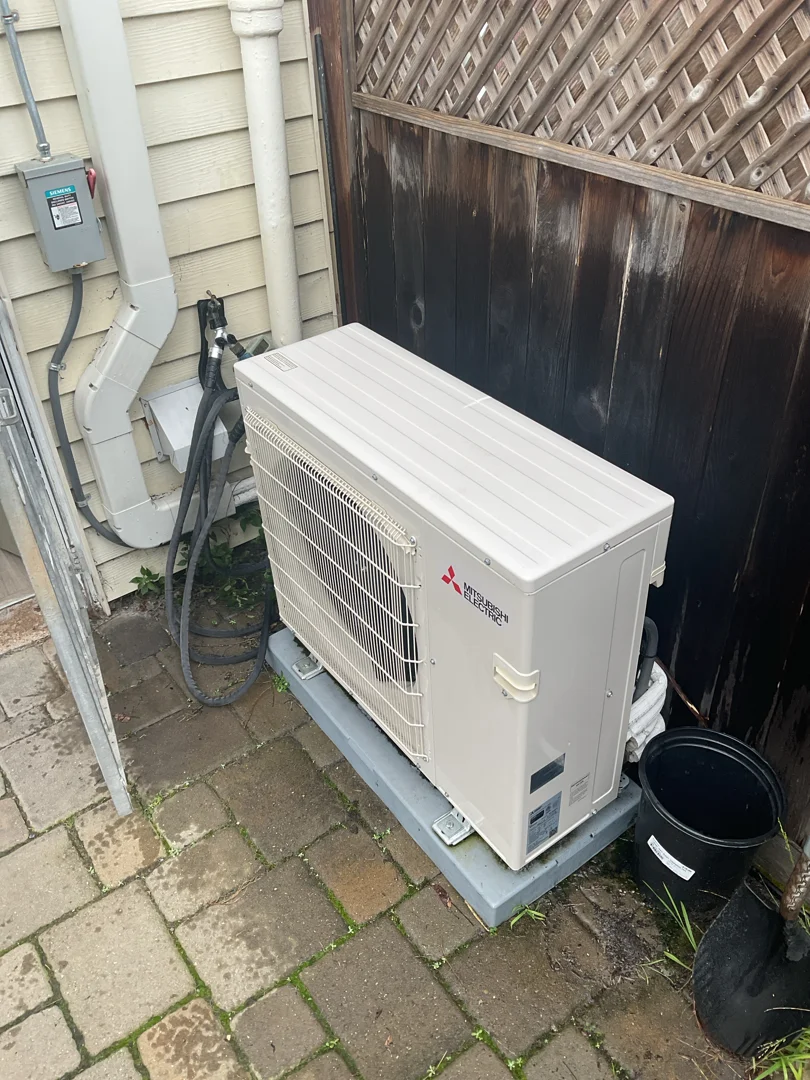
The Bay Area is famous for its 50+ microclimates. While the “marine layer” keeps the coast cool, inland valleys trap heat. This geographic diversity means that a system sized for a home in Oakland would be completely inadequate for the same size home in Walnut Creek or Concord. Identifying the best HVAC and plumbing setup for Bay Area weather requires looking at your specific neighborhood’s demands.
In coastal regions, the primary goal is often humidity management and moderate heating. However, as we see more heat spikes even in San Francisco, cooling is becoming a necessity. For those near the water, The Best HVAC Options for San Francisco Microclimates: A Local Guide highlights how systems must be tailored to handle moisture without overworking.
Adapting to Coastal Salt Air and Marine Fog
If you live in Pacifica, Daly City, or San Francisco’s Sunset District, your outdoor HVAC unit is under constant attack. Salt air is highly corrosive, specifically targeting the aluminum fins on condenser coils. Without protection, these fins can literally crumble to dust within five years.
To combat this, we recommend units with specialized coastal coatings. Additionally, regular professional rinsing of the coils with fresh water can extend the life of your unit significantly. Keeping the “coastal chill” at bay requires a system that can handle high-moisture air without rusting out. You can learn more about managing this unique environment in our guide on how to keep your Bay Area home cozy despite the coastal chill.
Managing Temperature Swings in the Tri-Valley and Inland Areas
Inland areas like Lafayette, Orinda, and Walnut Creek experience massive temperature swings—sometimes 40 degrees in a single day. This causes “short-cycling,” where the HVAC system turns on and off rapidly to keep up with the changing outdoor temperature.
This constant starting and stopping wears out components 2–3 years faster than in more temperate coastal zones. We often tell our clients that regular heating and cooling maintenance is an evolutionary requirement in the Tri-Valley to prevent mid-summer breakdowns when the mercury hits triple digits.
Which HVAC Systems Perform Best in Northern California’s Varied Climate?
Modern technology has made it easier to stay comfortable while meeting California’s strict Title 24 energy standards. Variable-speed technology is a game-changer here; instead of being “all on” or “all off,” these systems adjust their output to match the exact needs of the home, which is perfect for our fluctuating weather.
For many, understanding how a heat pump works is the first step toward a more efficient home. These systems are now the gold standard for most Bay Area zones.
Why Heat Pumps are the Best HVAC and Plumbing Setup for Bay Area Weather
Heat pumps are incredibly efficient—often reaching 300% to 350% efficiency—because they move heat rather than creating it. In the mild Bay Area climate, they rarely have to work hard to find heat in the winter or dump it in the summer.
There are 4 benefits of installing a heat pump heating system in your Bay Area home, including lower energy bills and a reduced carbon footprint. If you are curious about making the switch, check out everything you need to know about heat pumps in San Francisco.
Ductless Mini-Splits for Historic San Francisco Homes
Many homes in San Francisco, Oakland, and older parts of the Peninsula lack the ductwork necessary for central air. We don’t want to tear up beautiful lath-and-plaster walls or drop ceilings in a Victorian home.
Ductless mini-splits allow for “zoning,” meaning you can cool the upstairs bedroom while leaving the downstairs off. This is a perfect solution for replacing your old heater with a shiny new SF heat pump without the mess of a major renovation.
What Plumbing Upgrades are Necessary for the Bay Area’s Soil and Weather?
Plumbing is often overlooked when discussing the best HVAC and plumbing setup for Bay Area weather, but our local soil and weather patterns play a huge role. The Tri-Valley and parts of the South Bay sit on clay-rich soil that expands and contracts with the seasons. This movement puts immense pressure on underground pipes, leading to slab leaks and sewer failures. Knowing how to prepare for an emergency plumbing call is vital when these shifts occur.
Protecting Your Pipes from Tri-Valley Soil Expansion
When the soil moves, your pipes move with it. This can lead to “bellied” sewer lines where waste gets trapped, or even full pipe collapses. Tree roots also become more aggressive during our dry summers, seeking out the moisture inside your sewer lines.
Regular inspections are the best defense. We recommend homeowners stay proactive on how to prevent drain clogs to avoid the massive headache of a mainline backup during a winter rainstorm.
High-Efficiency Water Heating for Humid Coastal Zones
Water heating accounts for a huge chunk of your energy bill. In the Bay Area, you have three main choices:
| Feature | Traditional Tank | Tankless | Heat Pump Water Heater |
|---|---|---|---|
| Space Needed | Large | Minimal (Wall-mount) | Large |
| Energy Source | Gas or Electric | Gas or Electric | Electric |
| Lifespan | 8–12 Years | 20+ Years | 10–15 Years |
| Best For | Budget-conscious | Large families; small spaces | Electrification-focused |
Choosing the right one depends on your household size. If you’re asking, “What size water heater do I need?,” consider that a family in humid San Francisco might prefer a tankless unit to save space and prevent the “standby” energy loss common in foggy weather.
Deciding between a gas vs. electric water heater is also a key part of choosing a high-efficiency water heater for your San Francisco area home.
Maximizing Performance with Advanced Indoor Air Quality and Maintenance
In May 2026, indoor air quality (IAQ) is no longer a luxury—it’s a health necessity. Between seasonal allergens and the ever-present threat of wildfire smoke, your HVAC system needs to do more than just move air; it needs to clean it.
Installing a whole-house air purifier and using MERV 13 or higher filters can drastically improve indoor air quality in your home.
Maintenance Strategies for the Best HVAC and Plumbing Setup for Bay Area Weather
Maintenance shouldn’t be reactive. To keep the best HVAC and plumbing setup for Bay Area weather running efficiently, we recommend a “twice-a-year” approach:
- Spring: Focus on AC and heat pump cooling performance before the first heatwave hits.
- Fall: Ensure your furnace or heating elements are safe and efficient. There are top 5 reasons to get a furnace tune-up this fall, including safety checks for carbon monoxide.
Don’t forget your plumbing! Regular water heater maintenance ensures you aren’t surprised by a cold shower on a chilly morning.
Water Conservation Solutions for San Francisco Residents
Living in the Bay Area means being “water-wise.” From low-flow toilets to smart leak detectors, there are many ways to save water in the San Francisco Bay Area. We specialize in helping homeowners find tips to save water at home that don’t sacrifice water pressure or comfort.
Frequently Asked Questions about Bay Area Home Systems
Does my San Francisco home really need air conditioning?
While San Francisco was once known for “natural AC” (the fog), climate change has led to more frequent and intense heat spikes. A heat pump is the perfect solution because it provides efficient heating for those foggy nights and cooling for the 10-15 days a year when it’s truly needed.
How does Title 24 impact my HVAC replacement?
California’s Title 24 sets strict energy efficiency standards. When we replace a system, we must ensure it meets minimum SEER2 (Seasonal Energy Efficiency Ratio) ratings and often requires duct sealing to prevent energy loss. This ensures your home isn’t just comfortable, but also compliant and cheap to run.
Why are slab leaks so common in the East Bay?
The clay-rich soil in areas like Walnut Creek and Concord expands when wet and shrinks when dry. This constant “heaving” of the ground puts stress on the concrete slab and the copper pipes underneath. Over time, friction causes the pipes to wear thin and leak.
Conclusion
Building the best HVAC and plumbing setup for Bay Area weather is about understanding the specific needs of your microclimate. Whether you are dealing with salt air in Pacifica or 100-degree days in Walnut Creek, Cabrillo Plumbing, Heating & Air has the local expertise to keep your home running smoothly.
Since 1961, we’ve focused on providing the best warranties and a unique “by-the-job” pricing model that ensures you know exactly what to expect. From our annual maintenance program to our 10% repair discounts, we are here to ensure your Bay Area home remains a sanctuary of comfort.
Ready to optimize your home? Visit Cabrillo Plumbing, Heating and Cooling today to schedule your assessment.