
Why Spring Is the Most Important Time to Replace Your Air Filter
A spring air filter replacement guide is one of the most useful tools a Bay Area homeowner can have right now — because spring in the San Francisco Bay Area brings a perfect storm of pollen surges, wildfire pre-season dust, and an HVAC system firing back up after months of low use.
Here is a quick overview of how to replace your spring air filter in 5 simple steps:
- Turn off your HVAC system at the thermostat before you start.
- Locate the air filter in the return air vent, furnace slot, or air handler cabinet.
- Note the filter size and airflow direction printed on the old filter frame.
- Clean the filter housing with a dry cloth before inserting the new filter.
- Slide in the new filter with the airflow arrow pointing toward the furnace, then restore power.
That is the short version. But if you want to choose the right MERV rating, avoid costly mistakes, and know when to call a pro, keep reading.
Most homeowners should replace standard pleated filters every 30 to 90 days — and spring is the single most critical window to do it. After months of collecting winter dust, mold spores, and debris, a clogged filter can actually push allergens back into your living space instead of trapping them. For Bay Area homes dealing with seasonal pollen and year-round wildfire particulates, a fresh filter at the start of spring is not just helpful — it is essential.
Basic spring air filter replacement guide glossary:
- spring ac and hvac maintenance
- spring ac and hvac maintenance for the san francisco bay area
- spring hvac transition from heating to cooling
Why You Need a Spring Air Filter Replacement Guide
When spring arrives in June 2026, we all welcome the beautiful blooms across San Francisco, San Mateo, and Menlo Park. However, those gorgeous blossoms release a massive wave of yellow pollen that settles on everything. If you leave your windows open or have gaps around your doors, this pollen easily hitches a ride inside.
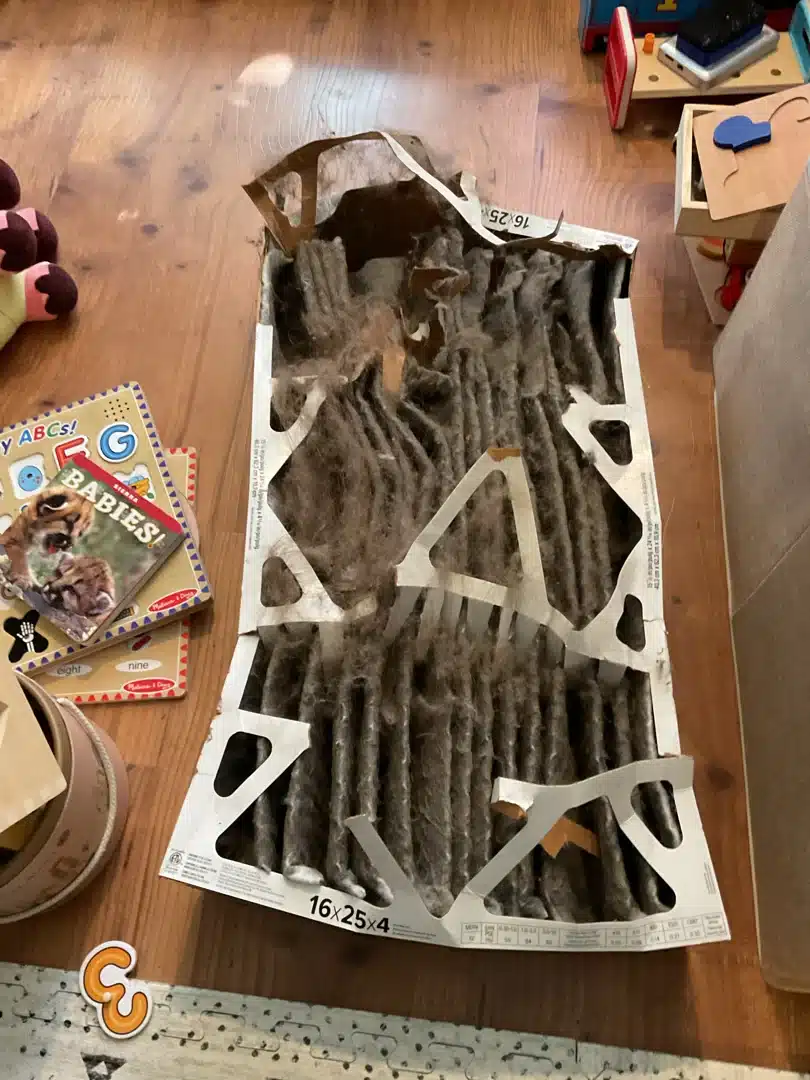
Over the winter, your HVAC system has also been quietly harboring dust, pet dander, and even mold spores from wet, foggy Bay Area winter mornings. If you do not replace your filter, your system will struggle to breathe. This restriction causes serious system strain, forcing your blower motor to work twice as hard to push air through a clogged gray barrier.
For a complete look at keeping your home fresh, check out our guide on Spring HVAC Maintenance for the San Francisco Bay Area.
Dual Protection: Home HVAC and Car Cabin Filters
Many homeowners forget that seasonal comfort does not stop at the front door. Spring is also the absolute best time to replace your vehicle’s cabin air filter. Just like your home’s HVAC system, your car’s cabin filter accumulates winter moisture and damp debris over the rainy season.
Replacing a clogged cabin filter does more than just stop musty odors and prevent your windshield from fogging up on humid mornings. According to energy and automotive studies, keeping your vehicle’s air filters clean can actually improve gas mileage by up to 10% and boost your acceleration by up to 11%. It reduces the strain on your engine and alternator, keeping your spring road trips down the Pacific Coast Highway smooth and efficient.
Finding the Right Filter for Your Home
Choosing a replacement filter is not a one-size-fits-all task. There are several different materials and designs available on the market today. Understanding your options is the first step to maintaining great indoor air quality.
- Fiberglass Filters: These are the flat, thin, and inexpensive filters. While they protect your HVAC equipment from large dust bunnies, they do almost nothing to trap pollen, mold, or small allergens.
- Pleated Filters: Made of cotton or synthetic fibers folded into pleats, these filters offer much more surface area. They are highly efficient at trapping smaller particles without choking your system’s airflow.
- HEPA Filters: High-Efficiency Particulate Air filters trap 99.97% of particles down to 0.3 microns. However, true HEPA filters are usually too thick for standard residential HVAC systems and can restrict airflow unless your system is specifically modified for them.
To explore all of your choices in detail, read our article on What Are the Different Types of Air Filters for Your House?.
Choosing the Right MERV Rating with a Spring Air Filter Replacement Guide
The Minimum Efficiency Reporting Value (MERV) rating measures how effectively a filter traps particles of various sizes. Ratings range from 1 to 16 for residential systems. Finding the sweet spot is crucial: too low, and you will breathe in pollen; too high, and you might restrict your system’s airflow, causing frozen coils or a burnt-out blower motor.
| MERV Rating | Particle Size Trapped | Best For | Recommended Use |
|---|---|---|---|
| MERV 1 – 4 | > 10.0 microns | Large dust, carpet fibers | Basic equipment protection only |
| MERV 5 – 8 | 3.0 to 10.0 microns | Mold spores, dust mites, pollen | Standard residential homes |
| MERV 9 – 12 | 1.0 to 3.0 microns | Fine dust, pet dander, auto emissions | Allergy sufferers & pet owners (Sweet Spot) |
| MERV 13 – 16 | 0.3 to 1.0 microns | Bacteria, smoke, sneeze droplets | Superior filtration (Check system compatibility) |
For most Bay Area homes, a filter rated between MERV 8 and MERV 11 is the ideal choice. It provides excellent protection against spring allergens without putting excessive strain on your heating and cooling equipment.
Finding the Correct Size for Your Spring Air Filter Replacement Guide
Before you buy a new filter, you must know its dimensions. If you look at your current filter, you will see numbers printed on the side, such as “20x25x1.” This is the nominal size, which is a rounded number used for easy shopping.
The actual size is slightly smaller (often by 1/4 to 1/2 of an inch) to ensure the filter slides smoothly into the slot. Always buy based on the nominal size printed on your old filter’s cardboard frame.
Ensuring a snug fit prevents “blow-by,” a common issue where unfiltered air slips through gaps around the edges of a loose filter. This bypass allows dust and pollen to coat your evaporator coils, which degrades your system’s efficiency and eventually leads to costly repairs.
Signs Your Air Filter Needs Immediate Replacement
How do you know if your filter is past its prime? You do not have to wait for your system to stop working to realize there is a problem. There are several warning signs that indicate your air filter needs to be swapped out immediately.
If you are noticing any of these issues, consult our guide on Is Your Air Filter Clogged When to Swap It Out?.
Watch out for these common warning signs:
- Reduced Airflow: The air coming out of your vents feels weak or barely warm/cool.
- Musty Odors: A stale, dusty, or moldy smell circulates through your home when the system turns on.
- Allergy Flare-ups: You or your family members are sneezing, coughing, or experiencing itchy eyes indoors.
- Excessive Dust: You notice a fine layer of gray dust settling on your furniture just a day or two after cleaning.
- Rising Energy Bills: Your utility bills are climbing because your system has to run longer cycles to keep up.
- The Light Test Failure: When you hold your filter up to a bright light, no light shines through the dirty fibers.
How to Replace Your HVAC Filter in 5 Simple Steps
Now that you have the correct filter size and MERV rating, it is time to perform the replacement. This simple DIY task takes less than ten minutes but pays massive dividends for your comfort and system health.
- Turn Off the Power: Safety first! Turn your HVAC system off at the thermostat. For extra safety, turn off the electrical switch located near your indoor furnace or air handler. This prevents the system from kicking on while you have the filter out, which could suck loose dust and debris directly into the blower motor.
- Locate the Filter: Locate your filter housing. It is usually found in a slot on the side of your indoor furnace, inside a dedicated return air grill on your wall or ceiling, or inside your air handler cabinet.
- Note the Airflow Direction: Before you pull the old filter out, look closely at its frame. You will see an arrow indicating the correct direction of the airflow. The arrow must always point toward the furnace or blower motor, and away from the return air duct.
- Clean the Housing: Carefully slide the old filter out. To prevent dust from scattering, have a trash bag ready to put it in immediately. Take a slightly damp microfiber cloth and wipe down any dust or grime inside the filter slot or housing.
- Insert the New Filter: Slide the fresh filter into the slot, making sure the airflow arrow points in the correct direction. Secure the cover plate or return grill door. Turn your system’s power back on, set your thermostat, and enjoy the clean air!
For more details on setting up a regular schedule, see our guide on How Often Should You Change Your Air Filter?.
Common Mistakes to Avoid and When to Call a Professional
While changing an air filter is a straightforward process, a few simple mistakes can lead to major system issues.
- Installing the Filter Backward: If the airflow arrow points the wrong way, the filter cannot structurally support the air pressure. It can collapse, buckle, and get sucked into the blower wheel, causing severe mechanical damage.
- Reinstalling Reusable Filters Wet: If you use a washable electrostatic filter, never slide it back in while it is still damp. A wet filter is a breeding ground for mold and bacteria, which will quickly be blown throughout your entire home.
- Ignoring Dirty Coils: If your system ran with a dirty or missing filter for a while, your evaporator coils might already be coated in grime. Changing the filter now won’t clean those coils.
To keep your air conditioner running perfectly as the weather warms up, read our article: With the Arrival of Spring Comes the Season for Air Conditioner Tune-Ups.
When to Seek Professional HVAC Assistance
While filter replacement is a great DIY task, some HVAC issues require the specialized tools and training of a professional technician. You should always call us if you notice:
- Refrigerant Leaks: If your home isn’t cooling properly and you hear a hissing sound, or see ice on the copper lines, you may have a leak.
- Frozen Evaporator Coils: A severely restricted system can cause the temperature of the coils to drop below freezing, turning them into a block of ice.
- Electrical Issues: If your system keeps tripping your home’s circuit breaker, do not attempt to fix it yourself.
For more expert advice on summer prep, check out our Air Conditioner Maintenance Tips for Keeping Your Home Cool This Summer in the Bay Area.
Frequently Asked Questions About Spring Air Filters
How often should I change my filters during peak pollen season?
During the height of the spring pollen surge, we recommend checking your filter every 30 days. If you have shedding pets, live near a dusty area, or suffer from severe seasonal allergies, you should replace standard 1-inch pleated filters every month to keep your indoor air clean and your energy bills low.
Can a dirty car cabin filter really affect my gas mileage?
Yes! A dirty cabin filter restricts the airflow inside your vehicle, forcing your air conditioning system to work much harder to cool the cabin. This extra load on your car’s electrical system and engine increases fuel consumption and can reduce your overall acceleration and performance.
Can I use a high MERV filter in an older HVAC system?
Be very careful when using filters with a MERV rating of 13 or higher in older systems. These thick filters can cause a significant pressure drop, choking the system’s airflow. If you want superior filtration without sacrificing airflow, consider upgrading to a system with advanced air handling capabilities. You can learn more about this in our post on the Top 5 Benefits of a Variable Speed Air Handler.
Conclusion
Replacing your air filters this spring is a quick, easy, and highly effective way to protect your family’s health and keep your utility bills in check. By following this spring air filter replacement guide, you can ensure your home remains a clean, comfortable sanctuary all season long.
If you want to ensure your system is completely ready for the warm months ahead, we are here to help. Our friendly, licensed technicians serve homeowners across San Francisco, Belmont, San Mateo, South San Francisco, and the surrounding Bay Area.
To get your system running at peak efficiency, schedule your seasonal tune-up today on our Cabrillo Air Conditioning Maintenance Page.