
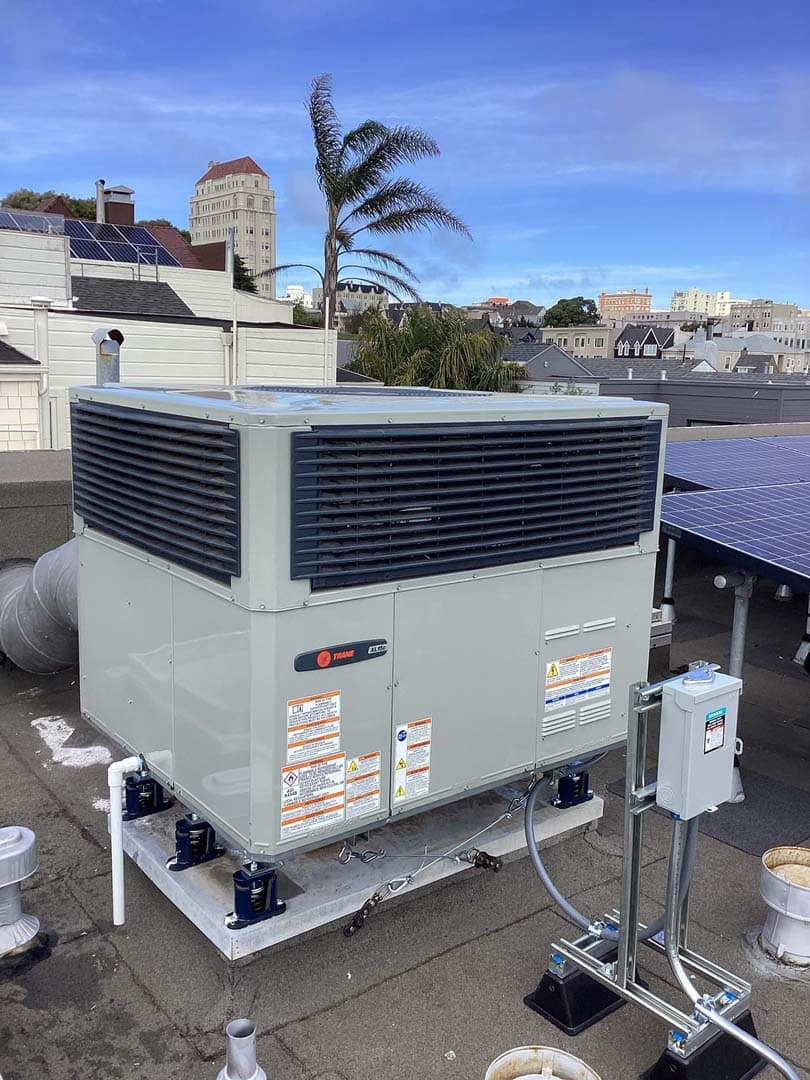
Is It Time to Switch Your HVAC from Heat to Cool This Spring?
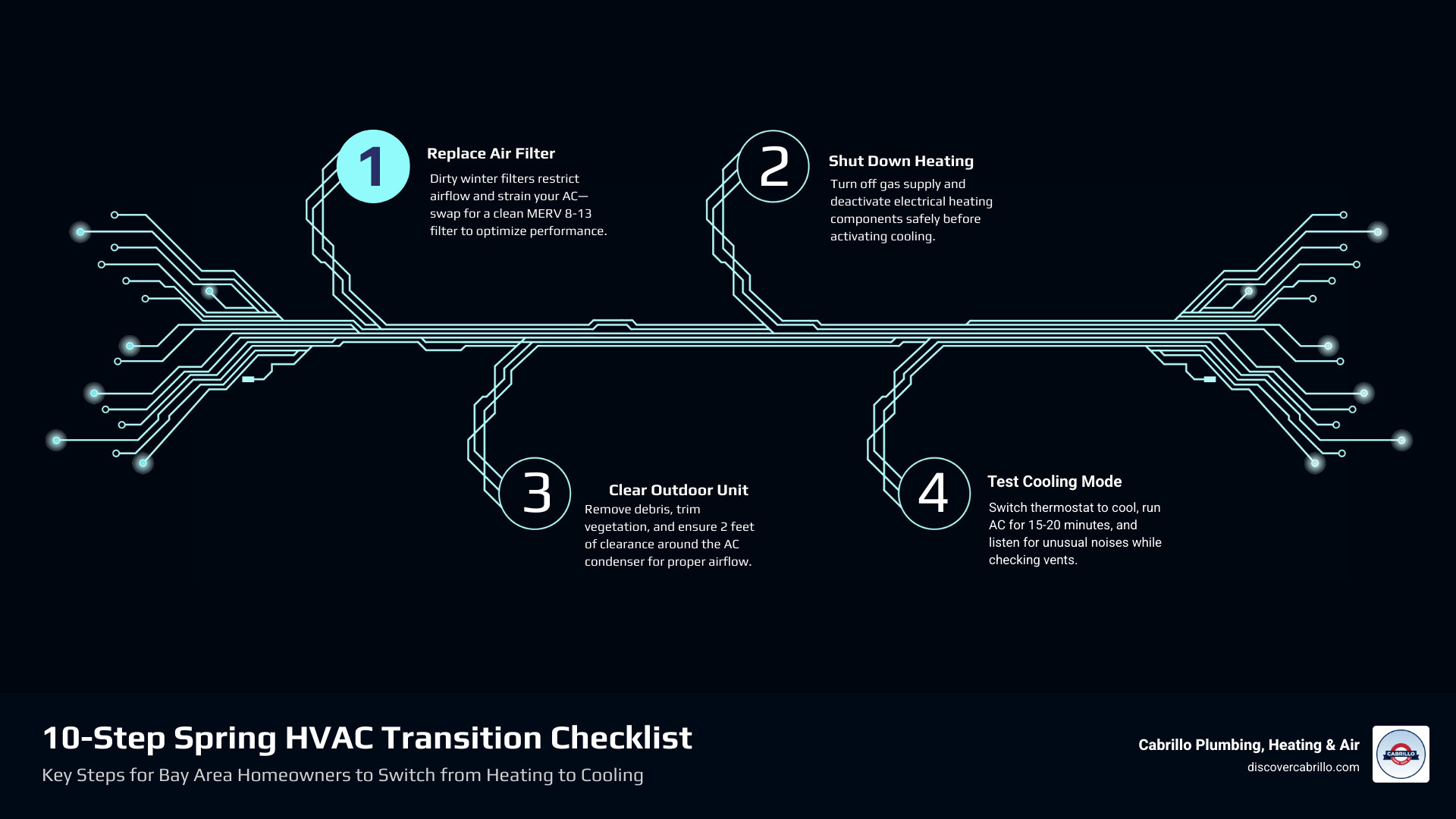
Making the spring hvac transition from heating to cooling doesn’t have to be complicated — here’s a quick overview of the key steps to get your system ready for warmer weather:
- Replace your air filter — dirty filters left over from winter restrict airflow and strain your system
- Shut down your heating system properly — turn off the gas supply and deactivate electrical heating components
- Clear the outdoor AC unit — remove debris and trim vegetation, leaving at least two feet of clearance
- Switch your thermostat to cooling mode — test it by running the AC for 15–20 minutes and listening for anything unusual
- Inspect vents and ductwork — look for blockages, dust buildup, and leaks (leaky ducts can waste up to 30% of conditioned air)
- Reverse ceiling fans to counterclockwise — this pushes cool air down and improves comfort
- Schedule a professional spring tune-up — a certified technician can check refrigerant levels, clean coils, tighten electrical connections, and catch issues before summer heat arrives
Every spring, Bay Area homeowners go to flip on their AC for the first time — and discover it isn’t working the way it should. After months of heating season, dust accumulates, filters clog, and small problems quietly develop into bigger ones. In a region like San Francisco where the climate can shift from cool, foggy mornings to warm afternoons almost overnight, being caught off guard by a struggling HVAC system is a real inconvenience. The good news is that a thoughtful spring transition checklist can prevent most of those headaches before they start.
This guide walks you through everything you need to do to move confidently from heating season to cooling season — with your home’s comfort, air quality, and energy efficiency all intact.
Why Spring is the Ideal Time for Your Spring HVAC Transition from Heating to Cooling
As we move into April 2026, the San Francisco Bay Area is experiencing that classic mix of mild, sunny days and lingering cool breezes. This “shoulder season” is the perfect window for a home comfort audit. Because the weather isn’t yet sweltering, your HVAC system isn’t under heavy demand. This gives us the luxury of time to inspect, clean, and test everything without the pressure of a heatwave.
With the Arrival of Spring Comes the Season for Air Conditioner Tune-Ups, and for good reason. Scheduling your transition maintenance now ensures better technician availability. Once the first real heat spike hits areas like Concord or Walnut Creek, HVAC companies are often flooded with emergency repair calls. By acting proactively, you avoid the “summer rush” and ensure your system is running at peak energy efficiency before your utility bills have a chance to climb.
In our unique Bay Area climate, where humidity can fluctuate near the coast in Pacifica or Daly City, spring maintenance also helps manage indoor air quality before allergy season fully takes hold. A well-prepared system doesn’t just cool the air; it cleans and dehumidifies it, providing a sanctuary of comfort regardless of what the outdoor thermometer says.
Essential Steps to Prepare Your System for Summer
Before you simply slide that thermostat lever from “Heat” to “Cool,” there are a few safety and preparatory steps to take. If you use a gas furnace for heating, proper shutdown is key. While many modern systems handle this transition automatically, older setups may benefit from manually turning off the gas supply to the furnace to prevent any “ghost” energy usage or pilot light heat during the summer.
Deactivating the electrical heating components ensures that the system won’t accidentally engage both heating and cooling simultaneously—a rare but costly error for your energy bill. Taking these steps contributes significantly to system longevity. Think of it as putting your winter gear into storage; you want it clean and safe so it’s ready to go when the temperature drops again in November.
Understanding the Top 4 Benefits of HVAC Preventive Maintenance helps frame these tasks not as chores, but as investments. By clearing away the literal and metaphorical cobwebs of winter, you reduce the mechanical stress on your unit, allowing it to start the cooling season with a clean slate.
Mastering the Spring HVAC Transition from Heating to Cooling with Filter Care
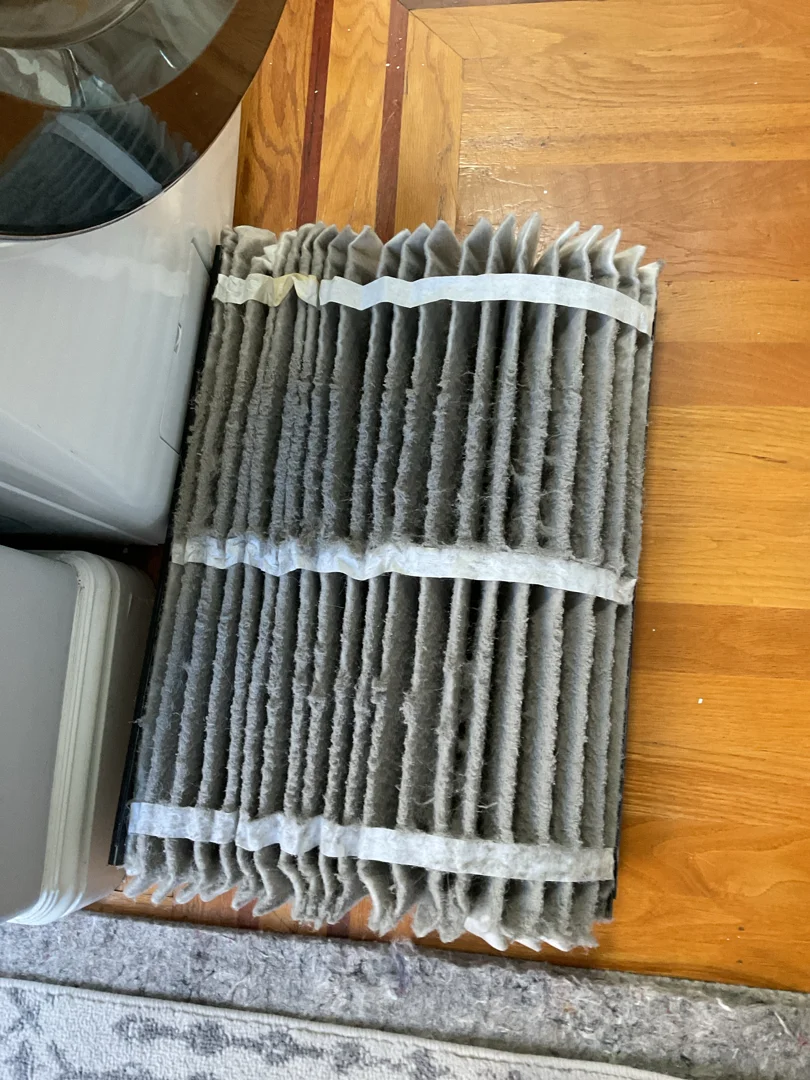
If there is one “golden rule” for a smooth spring hvac transition from heating to cooling, it is checking your air filter. During the winter, your furnace has been pulling in air to keep you warm, and that filter has likely collected a significant amount of dust, pet dander, and soot. A clogged filter is the primary cause of restricted airflow, which forces your air conditioner’s blower motor to work twice as hard.
You might wonder, How Often Should You Change Your Air Filter? While the standard answer is every three months, during the high-pollen spring months in the Bay Area, we often recommend a monthly inspection. If you live in a high-traffic area like San Francisco or have pets in San Mateo, that filter can fill up fast.
When selecting a replacement, pay attention to the MERV rating. A higher MERV rating provides better pollen reduction and cleaner air, but it also creates more resistance. Our team can help you find the perfect balance for your specific unit. To learn more, check out What You Need to Know About Your Central Air Conditioner Filter. Starting the season with a fresh filter reduces system stress and ensures the air circulating through your home is healthy and crisp.
DIY Maintenance for Outdoor Units and Indoor Vents
Your outdoor condenser unit has likely spent the winter as a “catch-all” for falling leaves, twigs, and perhaps even some wind-blown debris from recent Bay Area storms. For your AC to dump heat effectively, it needs to “breathe.”
- Vegetation Trimming: Ensure there is at least a two-foot clearance around the entire unit. Trim back any shrubs, weeds, or low-hanging branches.
- Debris Removal: Gently brush away leaves or needles caught in the exterior fins.
- Fin Inspection: Look for bent “fins” on the unit. While minor bends are okay, major flattening can block airflow.
Inside the home, take a vacuum to your floor registers and return vents. Dust buildup on these grilles can restrict airflow and blow allergens back into your living space. Ensuring all vents are unobstructed by furniture or rugs is a simple way to maintain a balanced, comfortable home.
Optimizing Efficiency and Indoor Air Quality
Efficiency is the name of the game in 2026. With rising energy awareness, your thermostat is your most powerful tool. If you are still using a manual dial, you might be surprised at how much you can save by switching to a smart or programmable model.
| Feature | Programmable Thermostat | Smart Thermostat |
|---|---|---|
| Scheduling | Pre-set daily schedules | Learns your habits automatically |
| Remote Access | No | Control via smartphone from anywhere |
| Energy Reports | Basic | Detailed insights and tips |
| Zoning Support | Limited | Often integrates with smart vents |
Calibrating your thermostat is essential during the spring hvac transition from heating to cooling. Test the cooling mode by setting the temperature a few degrees below the current room temp. Listen for the “click” of the relay and ensure cool air starts flowing within a minute or two. This is also a great time to replace the batteries in your thermostat to avoid a mid-summer blackout.
For larger homes in areas like Palo Alto or Los Altos, you might ask: What Do You Know About Automatic Zoning? Zoning allows you to cool the rooms you’re actually using, rather than wasting energy on an empty guest room or formal dining area.
Enhancing Comfort During the Spring HVAC Transition from Heating to Cooling
A few low-tech tricks can significantly boost your AC’s performance. First, check your ceiling fans. In the summer, they should rotate counterclockwise. This creates a “wind-chill” effect by pushing a breeze directly down onto you. This allows you to set your thermostat a few degrees higher without losing any comfort.
Humidity control is another factor. While the Bay Area isn’t as humid as the East Coast, coastal fog can still make indoor air feel “heavy.” A well-maintained AC naturally dehumidifies the air as it cools. If your home still feels damp, you might Save Energy and Stay Comfortable with a Two-Stage Air Conditioner, which runs longer at lower speeds to pull more moisture from the air.
Finally, don’t ignore your ducts. Statistics show that leaky ducts can lose up to 30% of the air passing through them. If you can access your ductwork in the attic or crawlspace, look for obvious gaps and seal them with mastic sealant or metal tape (avoid standard “duct tape,” as it actually dries out and fails over time).
When to Schedule Professional Maintenance and Upgrades
While DIY steps are great, some things require a professional touch. A certified technician has the tools to check refrigerant levels—something a homeowner cannot do safely or legally. Low refrigerant doesn’t just mean less cooling; it can actually cause your indoor coil to freeze over, potentially damaging the compressor.
What exactly happens during a professional visit? We focus on:
- Tightening Electrical Connections: Winter vibrations can loosen wires.
- Lubrication: We grease moving parts to reduce friction and noise.
- Coil Cleaning: We clean the evaporator and condenser coils to ensure maximum heat transfer.
- System Calibration: Ensuring the “brain” of your unit is communicating correctly with the hardware.
What Can Annual Air Conditioner Preventive Maintenance Do for Your Cooling System? It catches the small things—like a worn capacitor or a slightly clogged drain line—before they turn into a 4:00 PM emergency repair on a Friday. For total peace of mind, many of our neighbors in San Bruno and San Carlos find that What Are the Benefits of Enrolling in HVAC Maintenance Agreements? is the best way to ensure they never miss a seasonal check-up.
Signs It’s Time for a System Replacement
Sometimes, a tune-up reveals that your old unit is on its last legs. If you find yourself calling for frequent repairs or noticing huge spikes in your energy bills that don’t match your usage, it might be time to look at the 6 Signs It’s Time for an Air Conditioner Replacement.
Modern cooling technology has leaped forward in the last decade. New systems are quieter, more efficient, and offer much better humidity control. While a replacement is a big decision, the long-term savings on your monthly PG&E bill and the elimination of repair costs often make it the smartest financial move for aging Bay Area homes.
Frequently Asked Questions about Seasonal HVAC Changes
Why does my AC smell strange when I first turn it on in the spring?
A “musty” or “dusty” smell is common during the initial spring hvac transition from heating to cooling. It’s often just dust that settled on the coils or in the ducts during the winter being blown around. However, if the smell persists, it could indicate mold or mildew in the condensate drain pan or a dirty evaporator coil. A professional cleaning usually clears this right up.
How often should I check my air filter during the high-pollen season in San Mateo?
In San Mateo and surrounding areas, spring pollen can be quite heavy. We recommend checking your filter every 30 days. If it looks gray or you can’t see light through it, change it. Keeping a fresh filter is the easiest way to protect your indoor air quality and your system’s health.
What are the benefits of a professional spring HVAC audit?
A professional audit goes beyond cleaning. We evaluate the entire “health” of your system. This includes testing safety controls, checking for refrigerant leaks, and ensuring the ductwork is delivering air evenly. It’s about preventing mid-summer breakdowns and ensuring you aren’t paying more than necessary for your home comfort.
Conclusion
Transitioning your home from winter warmth to summer cool is a vital part of homeownership in the San Francisco Bay Area. By following these steps, you ensure that your family stays comfortable, your air stays clean, and your energy bills stay manageable throughout 2026.
At Cabrillo Plumbing, Heating & Air, we’ve been helping our neighbors from Atherton to San Francisco navigate these seasonal shifts since 1961. We know the local climate, the local homes, and exactly what it takes to keep a system running at its best. It’s Time to Schedule Your Annual Air Conditioner Maintenance Appointment with Cabrillo to ensure your home is ready for whatever the California sun has in store.
Don’t wait for the first heatwave to find out if your AC is up to the task. Let us provide the professional workmanship and lasting efficiency you deserve. Give us a call today and let’s get your home ready for a beautiful, cool spring!