
Why Seasonal HVAC and Air Quality Tips for the Bay Area Matter More Than You Think
Following seasonal HVAC and air quality tips for the Bay Area is one of the smartest things you can do to protect your home and your family’s health year-round. Here’s a quick summary of what Bay Area homeowners should do each season:
- Spring/Summer: Replace filters with MERV 13 or higher, clean the outdoor condenser, and set your HVAC to recirculate mode before wildfire season hits.
- Fall/Winter: Schedule a furnace or heat pump tune-up, inspect ducts for leaks, and check for moisture buildup that can lead to mold.
- During Smoke Events: Close fresh air intakes, run a HEPA air purifier, and check filters every two weeks — smoke can clog a filter in days instead of months.
- Year-Round: Monitor air quality at AirNow.gov, keep vents unblocked, and schedule at least one professional HVAC maintenance visit per year.
Bay Area air quality can change fast. One morning you’re enjoying cool coastal fog, and by afternoon a wildfire hundreds of miles away has turned the sky orange and pushed unhealthy air straight into your home. Indoor air is often two to five times more polluted than outdoor air — and Bay Area homes face unique threats from wildfire smoke, salt air, temperature inversions, and heavy traffic pollution, all of which can quietly degrade your HVAC system and the air you breathe inside.
Whether you live near the coast in San Francisco or farther inland in the East Bay, your heating and cooling system plays a direct role in how well your home filters out those threats. Understanding what to do — and when to do it — makes all the difference between a comfortable home and one that’s working against your health.
Essential seasonal hvac and air quality tips for the bay area terms:
Understanding Bay Area Microclimates and Air Quality Challenges
In the Bay Area, a 15-mile drive can easily mean a 20-degree temperature difference. This extreme variation is due to our famous microclimates. Coastal zones like San Francisco, Daly City, and Pacifica experience cool, damp, salty air, while inland areas like Walnut Creek or Lafayette face scorching summer heatwaves with daily temperature swings of up to 40 degrees.
These microclimates directly dictate how your heating and cooling system performs and how your air quality behaves. When wildfire smoke or vehicle emissions mix with temperature inversions—where warm air traps cold air and pollutants close to the ground—indoor environments can quickly become hazardous. Fine particulate matter (PM2.5) from smoke easily penetrates drafty windows and doors, settling into your carpets, upholstery, and ductwork.
To understand how your specific neighborhood shapes your home’s needs, check out The Best HVAC Options for San Francisco Microclimates: A Local Guide. Additionally, damp coastal air carries salt and moisture that can corrode system components and saturate air filters much faster than dry inland air. Learn more about this phenomenon in our guide on How Mild Coastal Fog Affects Filter Replacement Frequency.
| Region / Microclimate | Primary HVAC Challenge | Primary Air Quality Threat | Recommended Filter Strategy |
|---|---|---|---|
| Coastal (e.g., San Francisco, Pacifica) | Salt air corrosion, high humidity, short run times | Mold, mildew spores, coastal fog dampness | Change filters frequently to prevent moisture clogging |
| Inland (e.g., Walnut Creek, Concord) | High thermal load, extreme summer heatwaves | Wildfire smoke, pollen, ozone | Upgrade to MERV 13+ and run fan continuously during smoke |
Essential Seasonal HVAC and Air Quality Tips for the Bay Area
To keep your home comfortable and your energy bills manageable—especially with rising PG&E utility rates in 2026—proactive seasonal maintenance is a must. A well-maintained HVAC system can reduce energy consumption by 15% to 20% while extending the life of your equipment from an average of 12 years to nearly 18 years.
For a complete overview of how to configure your home systems for local weather, refer to A Comprehensive Guide to HVAC and Plumbing Setup for Bay Area Weather.
Spring and Summer Preparation: Beating the Heat and Smoke
Before the summer heatwaves and wildfire season arrive, you should take several hands-on steps to prepare your air conditioning or heat pump system:
- Clean the Outdoor Condenser: Ensure there is at least two feet of clear space around your outdoor unit. Gently rinse away yard debris, dust, and pollen from the condenser coils using a garden hose (never use a pressure washer, which can bend the delicate aluminum fins).
- Optimize Thermostat Settings: Program your thermostat to 78°F when you are home and higher when you are away. This manages energy usage during peak PG&E Time-of-Use hours.
- Upgrade to MERV 13 Filters: Standard fiberglass filters only trap large dust bunnies. Upgrading to a MERV 13 filter is essential for capturing microscopic smoke particles and allergens.
- Master Recirculation: Locate your system’s fresh air intake or outdoor damper and know how to close it or switch your system to recirculate mode before wildfire smoke blankets your neighborhood.
For deeper insights into summer prep, read our Air Conditioner Maintenance Tips for Keeping Your Home Cool This Summer in the Bay Area and follow our Step-by-Step Guide to HVAC Air Filtration During Wildfire Smoke.
Autumn and Winter Readiness: Cozy Comfort and Mold Prevention
As the weather shifts to the damp, chilly winter months, your HVAC needs change from cooling and smoke filtration to heating and moisture control:
- Schedule a Furnace or Heat Pump Tune-Up: Before turning your heater on for the first time, have a professional inspect the heat exchanger for cracks (to prevent carbon monoxide leaks) and calibrate the burners. For a complete checklist, see why Autumn Means Furnace Maintenance.
- Control Indoor Humidity and Prevent Mold: The combination of coastal fog and indoor heating can cause moisture to condense on cold walls and inside ductwork. Keep your relative indoor humidity below 50% to prevent mold growth. Read our guide to Breathe Easy and Stop HVAC Mold Growth Before It Starts.
- Inspect Ductwork for Leaks: Leaky ducts can waste up to 20% to 30% of your heating capacity, pulling dusty crawlspace or attic air directly into your living spaces. Sealing these leaks keeps your home warmer and your air cleaner. Learn more about staying warm efficiently in How to Keep Your Bay Area Home Cozy Despite the Coastal Chill.
How to Protect Your Indoor Air Quality During Wildfire Events
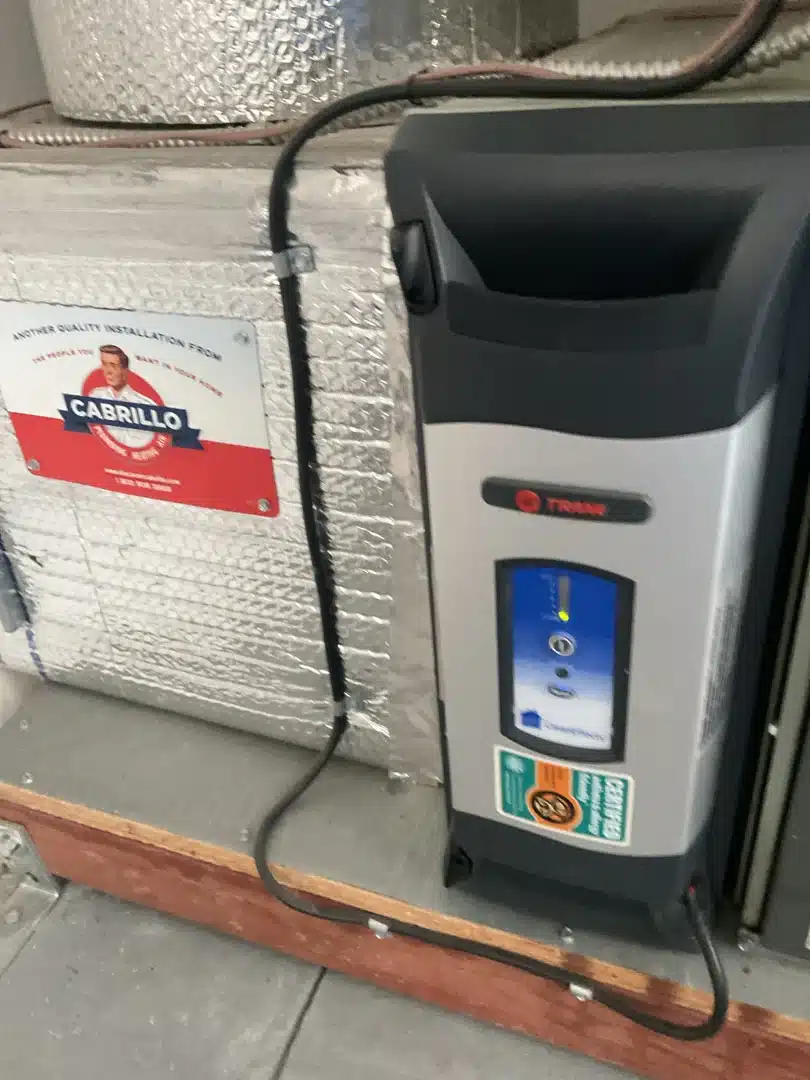
During a Spare the Air Alert or an active wildfire event, keeping outdoor pollutants from entering your home becomes your top priority. While your HVAC system is your primary line of defense, adding a whole-house air purifier or portable HEPA filters can dramatically lower particulate levels indoors.
If you are considering upgrading your home’s built-in filtration, you can Improve Your Indoor Air Quality with a Whole House Air Purifier to continuously scrub the air in every room.
If smoke levels are extremely high, you should set up a designated “clean room” in your home. Here is how to do it step-by-step:
- Choose a Room: Pick a room where your family spends a lot of time, preferably one with few windows and doors (like a master bedroom).
- Seal It Off: Close all windows and doors. Use damp towels or weatherstripping to seal any large gaps under doors or around window frames.
- Run a HEPA Purifier: Place a portable, non-ozone-producing HEPA air purifier in the room and run it continuously on its highest speed setting.
- Create a DIY Backup Cleaner: If you do not have a commercial air purifier, you can build a highly effective DIY box fan air cleaner. Take a standard 20-inch box fan (manufactured after 2012 for safety), attach a 20×20 MERV 13 air filter to the back using duct tape, ensuring the airflow arrow points toward the front of the fan, and turn it on.
- Avoid Particle-Creating Activities: Do not burn candles, use gas stoves, vacuum, or smoke inside the clean room, as these activities quickly build up dangerous indoor air pollution.
Implementing Seasonal HVAC and Air Quality Tips for the Bay Area in High-Smoke Periods
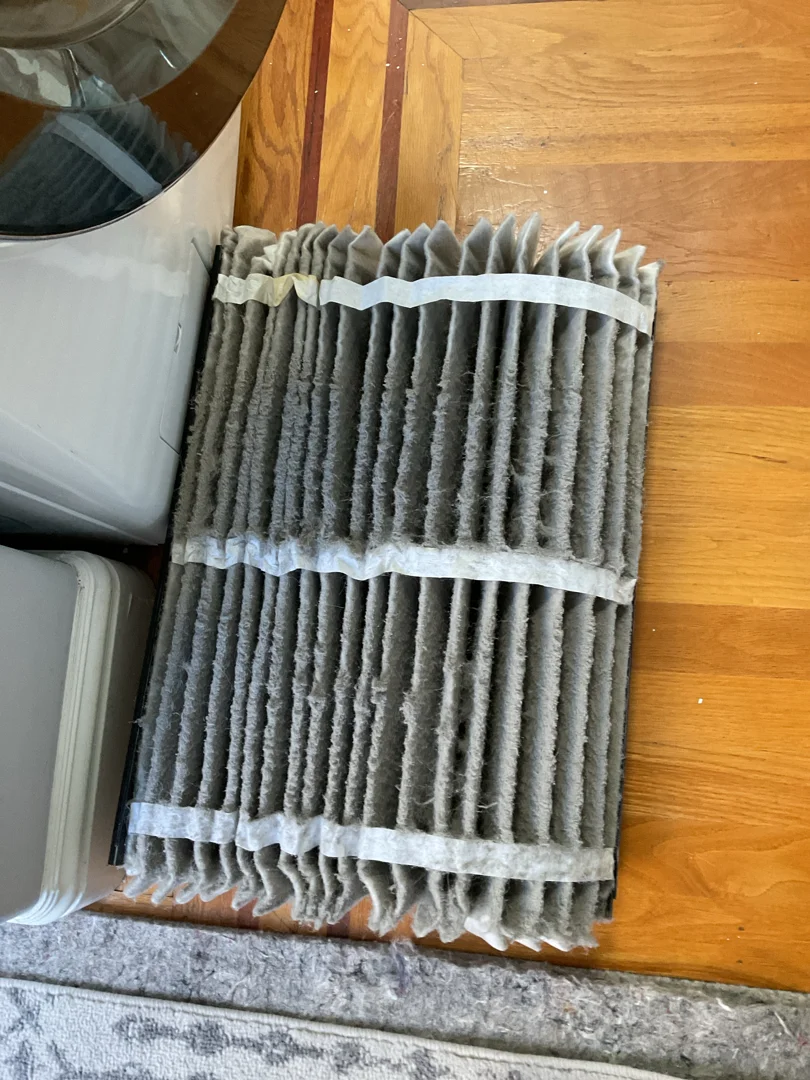
When wildfire smoke is severe, standard maintenance schedules go out the window. A filter that normally lasts three months can clog in just three days during heavy smoke. Check your HVAC filter every two weeks during active fires; if it looks gray, dark, or covered in ash, replace it immediately to prevent airflow restriction that can freeze your AC coils or overheat your furnace.
Additionally, switch your thermostat’s fan setting from “Auto” to “On.” This keeps the system’s blower running continuously, ensuring that your indoor air is constantly passing through your high-efficiency MERV 13 filter even when the system isn’t actively heating or cooling. If you must go outside to clear ash or clean outdoor units after a smoke event, always wear a properly fitted N95 mask to protect your lungs. For more on managing comfort during foggy and smoky transitions, check out How to Keep Your Home Comfortable in Foggy Weather.
When to Seek Professional HVAC and Air Quality Tips for the Bay Area
While many filter changes and basic cleanings are easy DIY tasks, several warning signs indicate your system needs immediate professional attention:
- Short Cycling: If your system turns on and off rapidly every few minutes, it may be overheating due to a severely clogged filter or a failing component.
- Ice on Refrigerant Lines: Ice buildup on your indoor evaporator coil or outdoor refrigerant lines indicates restricted airflow or a refrigerant leak.
- Musty Odors: A persistent musty smell when your system runs points to mold or mildew growth inside your ductwork or evaporator coil pan.
- Rising Energy Bills: Unexplained spikes in your PG&E bill usually mean your system is working twice as hard due to mechanical wear or duct leaks.
Furthermore, California’s strict Title 24 standards and the 2026 transition to environmentally friendly A2L refrigerants mean that modern HVAC systems are highly sophisticated. Attempting to repair refrigerant lines or electrical components yourself can void your manufacturer warranty and create safety hazards. Learn more about navigating these local complexities in The Bay Area Climate Survival Guide for Your Home Systems.
Frequently Asked Questions about Bay Area HVAC and Air Quality
How often should I change my HVAC filter during wildfire season?
During active wildfire events, check your filter every two weeks. The sticky carbon and ash particles in smoke saturate filter fibers very quickly. If the filter looks dirty or if you notice a smoky smell indoors, replace it immediately. Under normal conditions, changing your filter every 1 to 3 months is sufficient.
Does professional carpet and duct cleaning improve indoor air quality?
Yes. Carpets and air ducts act as giant pollutant reservoirs, trapping dust, pet dander, and wildfire ash over time. When your HVAC system runs or when people walk across the carpet, these settled particles are kicked back into the air. Professional deep cleaning removes these trapped pollutants at the source, which significantly reduces airborne dust and improves overall breathing conditions.
What are the 2026 California regulations for HVAC efficiency?
As of July 2026, California enforces strict SEER2 (Seasonal Energy Efficiency Ratio) standards under Title 24 to promote decarbonization and energy efficiency. Additionally, the industry has transitioned away from older refrigerants to low-GWP (Global Warming Potential) A2L refrigerants. Any new system installations must comply with these eco-friendly standards, which require specialized installation and calibration by certified professionals.
Conclusion
Keeping your home’s air clean and your climate control running efficiently in our unique climate does not have to be stressful. By practicing these seasonal HVAC and air quality tips for the Bay Area, you can protect your family’s health, lower your PG&E bills, and prevent unexpected system breakdowns when you need comfort the most.
At Cabrillo Plumbing, Heating & Air, we have been helping Bay Area homeowners breathe easier since 1961. We proudly serve communities across San Francisco, Menlo Park, Belmont, San Mateo, South San Francisco, and the surrounding areas. With our upfront pricing, top-tier warranties, and dedicated annual maintenance program, you can rest assured your home is in expert hands.
Ready to take control of your home’s comfort and air purity? Improve your indoor air quality with Cabrillo and schedule your seasonal tune-up today!